Amazonian Manatee: Habitat, Diet, Facts and Conservation

Deep within South America’s waterways lies a serene behemoth. The Amazonian manatee glides gracefully through its aquatic realm. A symbol of the region’s biodiversity, it captivates all who encounter it.

Though mighty in size, it’s known for its tranquil demeanor. These creatures are the freshwater cousins of oceanic manatees. Their presence tells a tale of the Amazon’s ecological richness.

Yet, like many wonders of the wild, they face challenges. Human activities threaten their serene habitats. This article dives into the world of these aquatic giants, exploring their beauty and the perils they confront.

You might be interested in reading: Could Jungle Trekking Be Your Next Adventure in Peru?

What Is the Amazonian Manatee?

What Is the Amazonian Manatee?

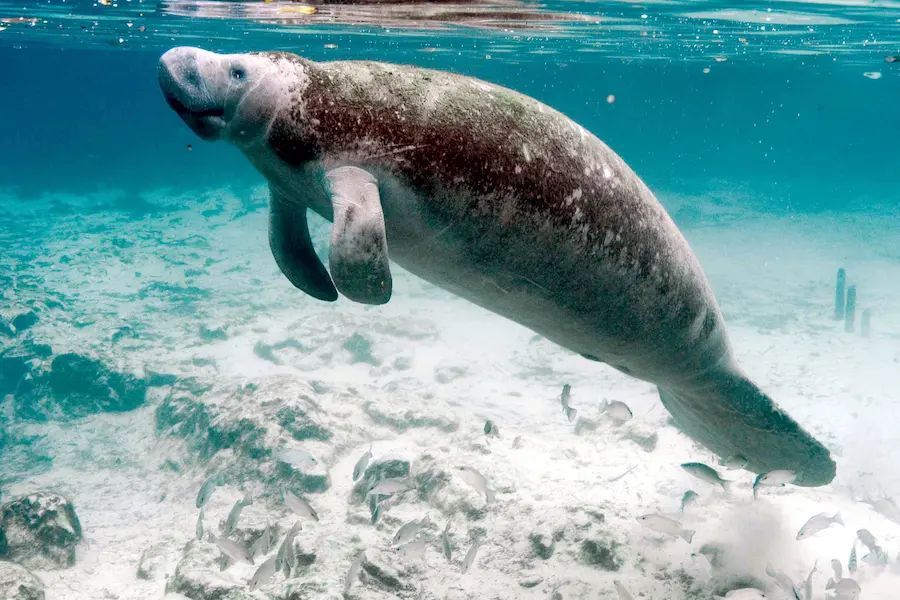
The Amazonian manatee is a large freshwater mammal native to the Amazon Basin and one of the most distinctive aquatic animals found in the region. Unlike marine mammals that live in coastal waters, this gentle herbivore spends its life in freshwater environments, including rivers, lakes, flooded forests, and other slow-moving waterways throughout the Amazon.

Known for its calm behavior and rounded body, the Amazonian manatee is perfectly adapted to life in an environment where water levels and food availability can change dramatically throughout the year. During the rainy season, rising rivers allow these animals to move into flooded forests in search of aquatic vegetation. When water levels fall, they may return to deeper channels and permanent bodies of water.

You might be interested in reading: What Should Travelers Know About Amazonian Shamans?


Amazonian Manatee Habitat and Distribution

Amazonian Manatee Habitat and Distribution

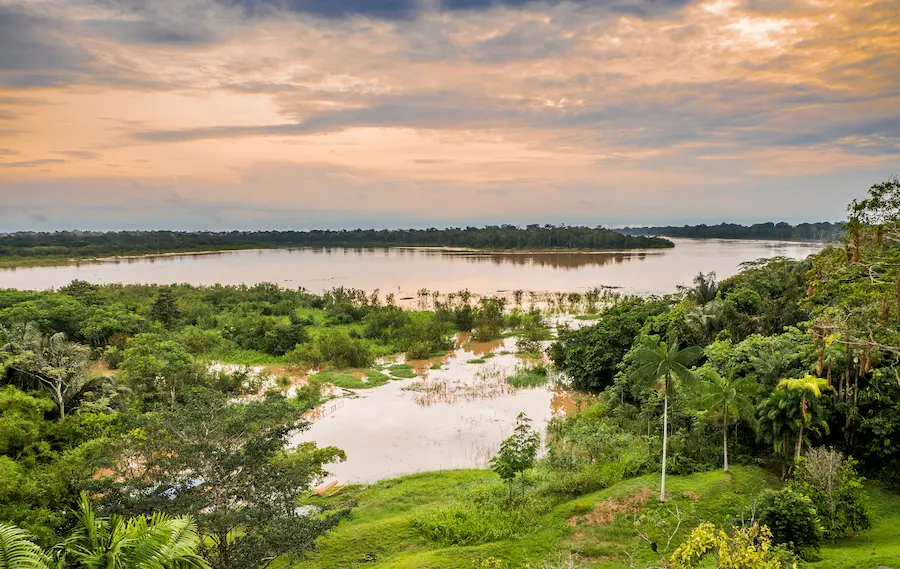
The Amazonian manatee inhabits freshwater ecosystems across the Amazon Basin, where rivers, lakes and seasonally flooded areas provide food, shelter and suitable conditions for its movements. Its distribution is closely connected to the changing water systems of the Amazon.

Amazon Basin Distribution

The species occurs across several countries of the Amazon Basin, including Peru, Brazil, Colombia and other parts of the region. Its presence is mainly associated with lowland freshwater environments and river systems.

Freshwater Habitats

Amazonian manatees use a variety of aquatic habitats, including rivers, lakes, lagoons and flooded forests. These environments provide aquatic vegetation for feeding and areas where the animals can move and shelter.

Seasonal Flooded Areas

Seasonal changes in water levels influence where Amazonian manatees can move and feed. During periods of high water, flooded forests and connected waterways expand their available habitat, while lower water levels concentrate activity around permanent rivers, lakes and deeper areas.

You might be interested in reading: The Most Fascinating Amazonian Food Traditions

Encountering the Amazonian Manatee: Peru's aquatic jewel and conservation focus

Encountering the Amazonian Manatee: Peru’s aquatic jewel and conservation focus

The Amazonian Manatee is an emblematic species of South America’s vast waterways. Nestled within Peru’s dense jungles, it thrives mainly in freshwater habitats. Manu River, a significant lifeline, witnesses frequent manatee visits.

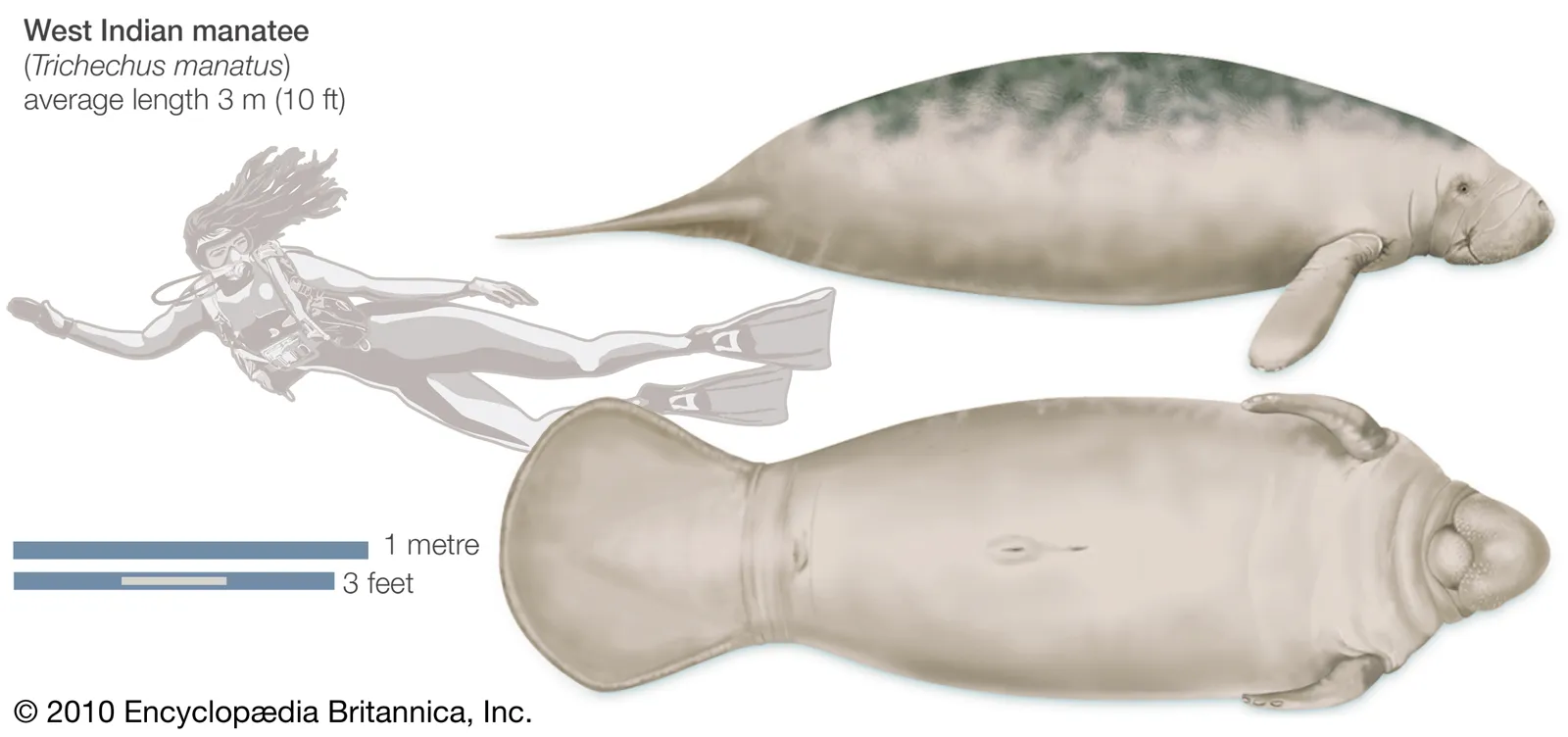
Recognized by their stout bodies and paddle-shaped tails, they’re distinct from other manatee species. The Amazonian Manatee is exclusively freshwater, unlike its marine counterparts. It’s a critical component of the aquatic ecosystem.

Their diet mainly comprises aquatic plants, vital for maintaining healthy waterways. This gentle herbivore plays a crucial role in balancing the aquatic environment. Their feeding habits ensure the water’s clarity and health.

Yet, as serene as these creatures are, they face grave threats. Illegal hunting and habitat destruction are major concerns. The manatee’s tranquil nature often makes it an easy target.

Travelers to Peru often seek glimpses of the rare animals of the Peruvian Jungle. The Amazonian Manatee tops many wildlife enthusiasts’ lists. Their elusive nature, however, can make sightings a rare treat.

Awareness about these aquatic jewels is now more crucial than ever. Conservation efforts in Peru are intensifying, with focus on these manatees. Protecting the Amazonian Manatee safeguards an entire ecosystem’s health.

Moreover, local communities are increasingly involved in conservation activities. They’re being educated about the manatee’s significance. Such grassroots movements are pivotal for the manatee’s survival.

Peru’s Amazonian Manatee is not just an aquatic wonder. It’s a symbol of the rich biodiversity that the region holds. Protecting it is essential for preserving Peru’s ecological legacy.

manati

What Does the Amazonian Manatee Eat?

The Amazonian manatee is a herbivorous aquatic mammal that feeds mainly on plants found in the freshwater ecosystems of the Amazon Basin. Its diet changes according to the vegetation available in rivers, lakes, lagoons and flooded forests throughout the year.

Aquatic Plants and Vegetation

Amazonian manatees feed on a wide variety of aquatic plants, including floating, submerged and emergent vegetation. Their broad diet allows them to take advantage of the different types of plants available across their freshwater habitats.

Feeding in Flooded Forests

During the high-water season, Amazonian manatees can access vegetation in seasonally flooded forests and other areas that become connected to rivers and lakes. These temporary feeding grounds provide additional sources of vegetation as water levels rise.

Seasonal Changes in Their Diet

The availability of plants changes with the Amazon’s seasonal water cycle, influencing where manatees feed throughout the year. As rivers rise and fall, they move between different aquatic environments in search of areas with suitable vegetation.

Why Is the Amazonian Manatee Difficult to See?

Spotting an Amazonian manatee in the wild can be challenging because the species spends much of its time underwater and is naturally elusive. The conditions of its rainforest habitat also make direct observation difficult, even in areas where manatees are present.

Elusive Behavior

Amazonian manatees are generally cautious and spend long periods moving quietly through the water or resting below the surface. They may avoid boats and human activity, making sudden sightings uncommon.

Murky Amazonian Waters

The rivers, lakes and lagoons where they live can have limited visibility, particularly in areas with dark or sediment-rich water. Their dark coloration also makes them difficult to distinguish when they remain partially submerged.

Seasonal Movements

Changes in water levels can influence where Amazonian manatees feed and move throughout the year. During high-water periods, they can access flooded forests and more extensive waterways, making their location harder to predict.

How do Amazonian manatees find food?

Amazonian manatees use their sensitive lips and whisker-like bristles around the mouth to locate and gather vegetation underwater. They can feed in shallow areas, along riverbanks, and in other calm sections of freshwater habitats where plants are abundant.

Their feeding patterns are also influenced by the Amazon’s seasonal water cycle. When water levels rise, flooded forests and connected waterways provide access to new sources of vegetation. As water levels fall, manatees may concentrate in deeper and more permanent bodies of water where food remains available.

Beneath the surface: Exploring the ecology and behavior of Peru’s Manatee species

Peru’s waterways are rich with aquatic life. In the Amazon River deepness, the Amazonian Manatee dominates as an ecological cornerstone. These gentle giants have a captivating life beneath the surface.

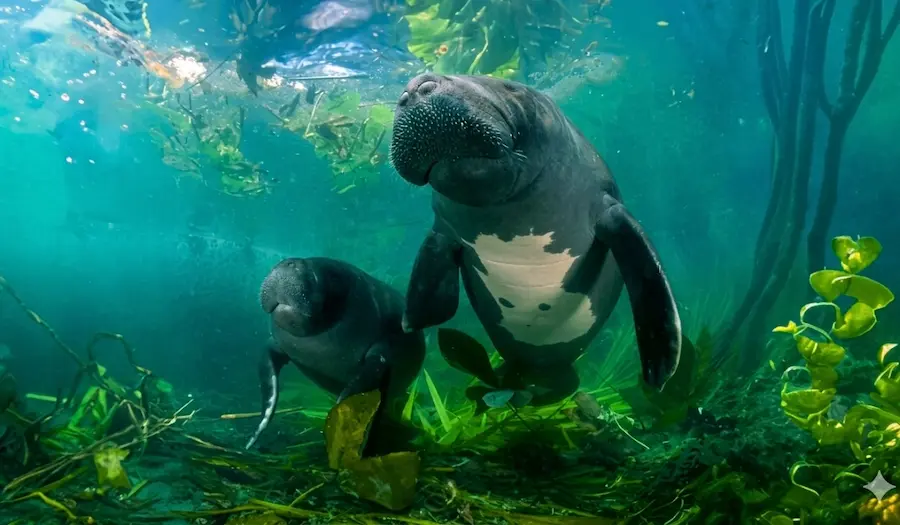
The Amazonian Manatee, primarily herbivorous, feeds on water plants. These plants grow in the river’s shallow areas, where sunlight penetrates. Their diet helps maintain aquatic plant populations in check.

Manatees possess a unique digestive system. Their large intestines ferment tough plant fibers, extracting necessary nutrients. This system allows them to thrive in freshwater environments.

Interestingly, the Amazonian Manatee has no front teeth. They use strong lips to gather food, and molars to grind it down. Over time, as molars wear out, new ones emerge.

Socially, manatees often appear solitary but can form groups. Mothers and calves showcase strong bonds, often seen swimming close. Calves nurse for up to two years, displaying deep maternal care.

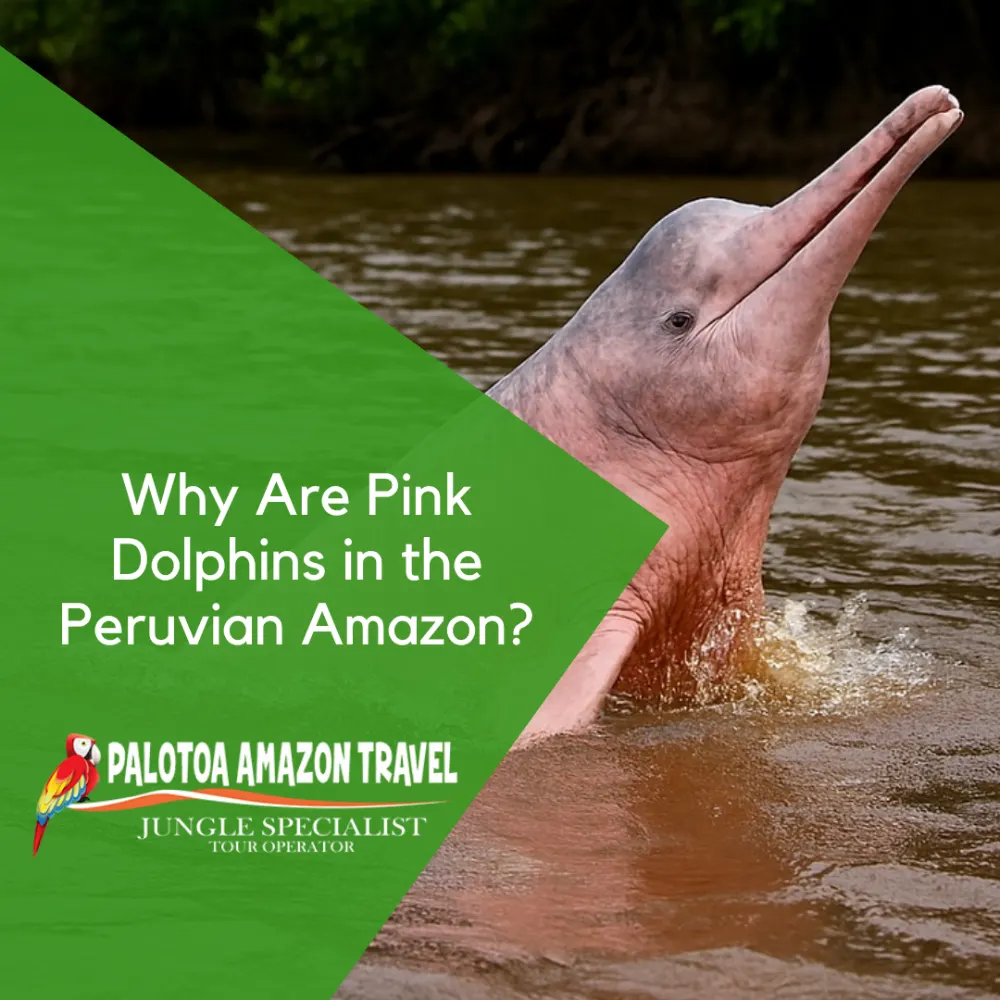
Amazon river dolphin and the Amazonian Manatee occasionally share the same waters. While the dolphin hunts fish, manatees graze peacefully nearby. Both play vital roles in the Amazon’s aquatic ballet.

The Amazonian Manatee faces significant threats today. Illegal hunting, pollution, and habitat fragmentation pose challenges. Yet, understanding their ecology and behavior helps craft effective conservation strategies.

In communication, manatees are vocal creatures. They emit sounds, mainly when in distress or communicating with calves. These calls play a pivotal role in maintaining social ties.

By observing these majestic creatures, we uncover the Amazon’s hidden tales. The Amazonian Manatee, an ecological marvel, deserves our utmost attention and protection. Their survival is intertwined with the health of Peru’s waterways.

In essence, the Amazonian Manatee reflects the beauty and complexity of the Amazon. It’s a living testament to the river’s vibrancy. Delving into its world deepens our appreciation for nature’s intricacies.

Manati

Cultural significance and conservation efforts: Preserving Peru’s gentle water guardian

The waters of Peru hold more than just aquatic life. They’re home to legends, myths, and cultural significance. The manatee, often termed Peru’s gentle water guardian, stands central to many tales.

Local communities revere the manatee. Its gentle nature mirrors the calm flow of the Amazon. For centuries, it has influenced folklore and local storytelling.

Many tales depict the manatee as a protector. It safeguards the waterways, ensuring harmony and balance. Such tales have passed down through generations, shaping community values.

However, with modernization, threats to the manatee have increased. Deforestation, pollution, and hunting have taken a toll. The guardian of Peru’s waters faces existential challenges.

Recognizing its significance, conservationists took action. They initiated campaigns to educate locals about its plight. By bridging culture and science, they aim to secure the manatee’s future.

Peru’s government has also stepped in. They’ve established protected zones, free from human interference. These zones serve as safe havens for the manatees and other wildlife.

Local communities play a pivotal role in these efforts. They patrol the waters, report illegal activities, and raise awareness. Their involvement ensures conservation measures are effective and sustainable.

Conservation isn’t just about protection; it’s about connection. When individuals understand the manatee’s significance, they act responsibly. Every saved manatee strengthens the bond between culture and nature.

For those intrigued by Peru’s water guardian, there’s good news. Experiencing the magic firsthand is now possible. You can embark on a journey into their world.

For an immersive experience, consider the Manu National Park Tours from Cusco. If adventure beckons, a Manu Jungle Tour awaits. Witness the guardian in its natural habitat and join the preservation story.

In sum, the manatee’s cultural significance is profound. By recognizing this, we can chart a course for its preservation. Join the journey, and become part of the solution.

manati

Amazonian Manatee Conservation and Threats

The Amazonian manatee faces several challenges that have contributed to the decline of its populations throughout the Amazon Basin. Although this gentle freshwater mammal is adapted to life in rivers, lakes, and flooded forests, human activities can have a significant impact on its survival. Understanding these threats is essential for protecting the species and the aquatic ecosystems it inhabits.

Is the Amazonian manatee endangered?

The Amazonian manatee (Trichechus inunguis) is currently classified as Vulnerable, meaning the species faces a significant risk of population decline and extinction in the wild if existing threats are not adequately addressed. It is important to distinguish this classification from “Endangered,” which is a separate category used by the IUCN Red List.

What are the main threats to Amazonian manatees?

Historically, hunting has been one of the most significant threats to Amazonian manatees. The species has been captured for its meat and other products, and illegal hunting continues to be a conservation concern in parts of its range. Research in Peru has also identified habitat loss and degradation as important pressures on wild populations.

Amazonian manatee conservation in Peru

Peru has developed several initiatives focused on researching and protecting the Amazonian manatee. Conservation work includes population monitoring, scientific studies, environmental education, and efforts to protect important Amazonian habitats.

Frequently Asked Questions About Amazonian Manatees

The Amazonian manatee is a fascinating freshwater mammal, but many people still have questions about where it lives, what it eats, how it behaves, and why its conservation matters. These frequently asked questions also clarify the different names used for the species across the Amazon region, including peixe-boi-da-Amazônia, the Portuguese name for the Amazonian manatee.

What is the Amazonian manatee?

The Amazonian manatee (Trichechus inunguis) is a freshwater aquatic mammal native to the Amazon Basin. It is a herbivore that lives in rivers, lakes, lagoons, flooded forests, and other freshwater environments.

What is the Amazonian manatee called in Portuguese?

The Amazonian manatee is commonly called peixe-boi-da-Amazônia in Portuguese. In Spanish, it is known as manatí amazónico or manatí del Amazonas, while “Amazonian manatee” is the common English name.

Where does the Amazonian manatee live?

Amazonian manatees live throughout parts of the Amazon Basin, including freshwater environments in Peru, Brazil, Colombia, and surrounding regions. They can inhabit rivers, tributaries, lakes, lagoons, and seasonally flooded forests.

What does the Amazonian manatee eat?

Amazonian manatees are herbivores that primarily feed on aquatic vegetation. Their diet can include floating and submerged plants found in the rivers, lakes, wetlands, and flooded forests where they live.

How big can an Amazonian manatee get?

Amazonian manatees are large freshwater mammals that can reach several meters in length and weigh several hundred kilograms. Their rounded bodies, broad tails, and flipper-like forelimbs are among their most recognizable characteristics.

This website uses cookies to improve your experience.