


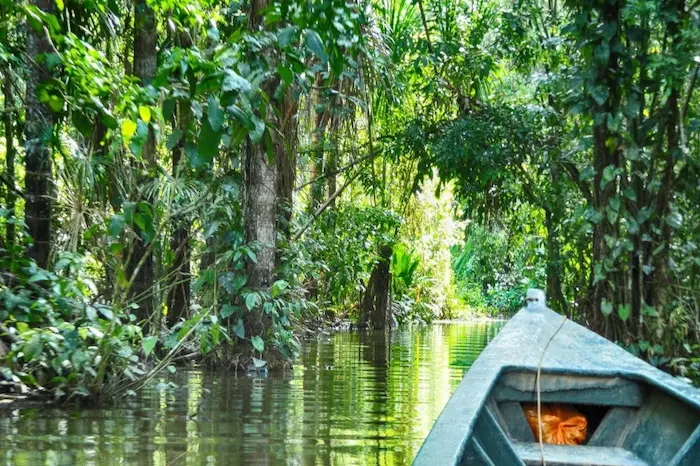
Rain in the Amazon rainforest is one of the first things travelers think about when planning a jungle adventure. Many people imagine endless downpours that make hiking impossible or believe that visiting during the rainy season will ruin their trip. The reality is far more interesting, and much more encouraging.
The Amazon is the largest tropical rainforest on Earth, and its lush landscapes, incredible biodiversity, and winding rivers all exist because of the rain. Rather than being an obstacle, rainfall is what gives the jungle its life. Understanding when it rains, how it affects wildlife, and what to expect during your visit will help you plan a memorable experience, no matter the season.
If you’re dreaming of spotting colorful macaws, cruising along jungle rivers, or waking up to the sounds of howler monkeys, don’t let the weather discourage you. Here’s everything you need to know about rain in the Amazon rainforest before packing your bags.
You might also be interested in reading: Top 10 typical foods of Peru you must try!
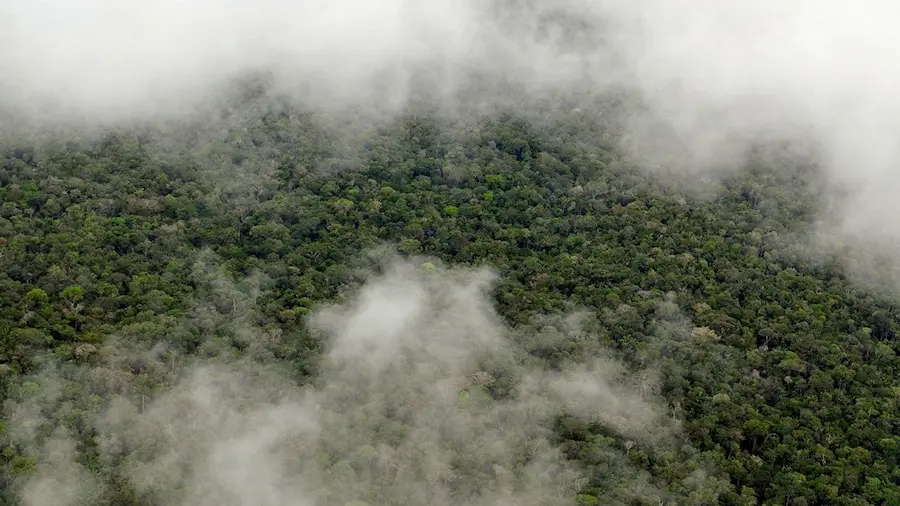
Why does it rain so much in the amazon rainforest?
The Amazon rainforest is famous for its high rainfall, but there’s a scientific reason behind it. Located near the Equator, the region experiences warm temperatures throughout the year, causing water from rivers, lakes, and dense vegetation to evaporate continuously.
As warm, humid air rises, it cools and forms clouds, eventually producing rain. This natural cycle repeats almost every day, making the rainforest one of the wettest ecosystems on the planet.
Instead of seeing rain as bad weather, think of it as the force that keeps millions of plants and animals alive.
1. A self-sustaining ecosystem
One fascinating fact about the Amazon is that the forest helps create its own rainfall. Trees release enormous amounts of water vapor into the atmosphere through a process called transpiration, contributing to cloud formation and frequent showers.
2. Warm temperatures all year
Unlike many destinations that have four distinct seasons, the Amazon remains warm year-round. Average daytime temperatures typically range between 24°C and 31°C (75°F–88°F), creating the perfect conditions for regular rainfall.
3. Rain creates extraordinary biodiversity
Without abundant rainfall, there would be no giant ceiba trees, vibrant orchids, medicinal plants, or the incredible diversity of wildlife that makes the Amazon one of the world’s greatest natural wonders.
You might also be interested in reading: The 10 best places to visit in the Amazon
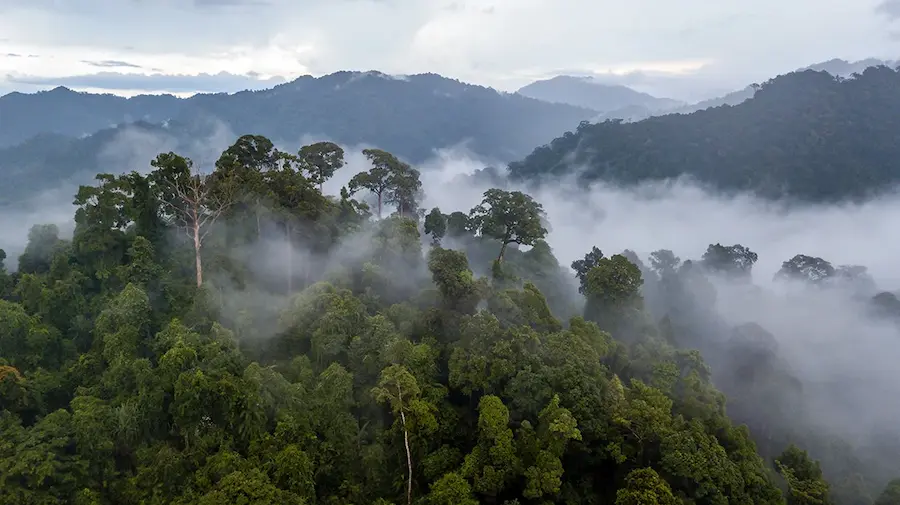
When is the rainy season in the Amazon rainforest?
One of the most common questions travelers ask is when the rainy season begins in the Amazon. While rain in the Amazon rainforest can occur at any time of the year, there is a period when precipitation becomes more frequent and river levels rise significantly.
In the Peruvian Amazon, the rainy season generally runs from November through April. However, weather patterns can vary slightly depending on the region, whether you’re visiting Manu National Park, Tambopata, or other parts of the Amazon Basin. Even during these wetter months, it’s unusual for it to rain continuously all day, with many mornings remaining sunny before afternoon showers develop.
1. November marks the beginning of the wet season
As November arrives, rainfall gradually becomes more frequent. The forest begins to transform as rivers start rising, vegetation becomes even greener, and wildlife activity increases.
This is an excellent time for travelers who enjoy lush landscapes and fewer crowds, as the peak tourist season has usually ended.
2. January and February are typically the wettest months
January and February are often considered the rainiest months in much of the Peruvian Amazon. Heavy tropical showers are more common, and river levels continue to rise, allowing boats to navigate areas that remain inaccessible during the drier months.
Although some jungle trails may become muddy, this season offers spectacular scenery and excellent opportunities to observe aquatic wildlife, colorful birds, and flooded forests.
3. March and April bring a balance of rain and wildlife
By March and April, rainfall remains frequent, but many travelers consider this one of the most rewarding times to visit.
The rainforest is at its greenest, rivers are still high enough for boat excursions, and wildlife is abundant. Photographers often appreciate these months because the vibrant vegetation and dramatic skies create stunning landscapes.
You might also be interested in reading: Amazon flooded forest: 10 animals you can see
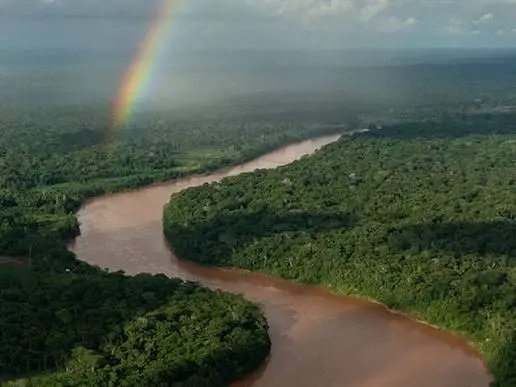
Does it rain every day in the Amazon rainforest?
One of the biggest misconceptions about rain in the Amazon rainforest is that it pours continuously from sunrise to sunset every single day. While the Amazon is one of the wettest places on Earth, the weather is far more dynamic than many travelers expect.
In reality, rainfall follows tropical weather patterns that can change quickly throughout the day. You might wake up to clear blue skies, enjoy a morning boat ride under the sun, experience a refreshing afternoon shower, and end the day watching a colorful sunset over the rainforest. This constant change is simply part of the Amazon’s natural rhythm and one of the reasons every visit feels unique.
1. Short tropical showers are common
Rather than lasting all day, most rain comes in the form of short but intense tropical showers. These bursts of rain usually last anywhere from 20 minutes to two hours, after which the skies often clear surprisingly quickly.
Many experienced travelers actually enjoy these moments, as the rain cools the air, freshens the forest, and creates an even more vibrant atmosphere.
2. Sunshine and rain often happen on the same day
One of the most surprising aspects of rain in the Amazon rainforest is how quickly the weather can change. It’s perfectly normal to spend the morning hiking through the jungle in bright sunshine, experience a brief afternoon downpour, and later enjoy another period of clear skies.
Because weather conditions shift so rapidly, visitors are encouraged to pack lightweight rain gear rather than assuming the day will be completely wet.
3. Every day is different
No two days in the Amazon are exactly alike. Rainfall depends on local humidity, cloud formation, wind patterns, and the specific region you’re visiting.
Even during the rainy season, some days receive only light showers, while others may experience heavier rainfall. Likewise, during the dry season, occasional rainstorms are still completely normal. This unpredictability is simply part of visiting one of the world’s largest tropical rainforests.
4. Rain rarely stops jungle activities
Many first-time visitors worry that rain will prevent them from enjoying the rainforest, but that’s rarely the case. Jungle tours continue operating throughout the year because local guides are familiar with the changing weather conditions.
If a heavy shower occurs, activities are often adjusted rather than canceled. Boat excursions, wildlife observation, canopy walks, and guided jungle hikes continue whenever conditions are safe, allowing travelers to experience the rainforest in different and equally fascinating ways.
You might also be interested in reading: Blue Headed Macaw Habitat and Field Notes from Manu Park
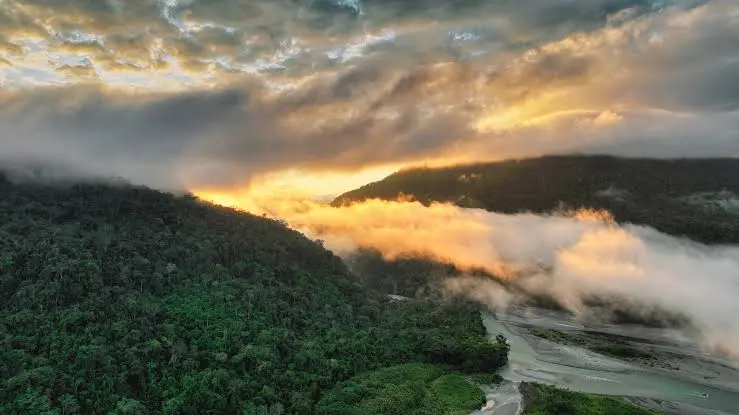
How rain changes your experience in the Amazon
Many travelers assume that rain in the Amazon rainforest is something to avoid, but the truth is that it transforms the jungle in remarkable ways. Rain doesn’t simply change the weather, it influences wildlife behavior, river levels, vegetation, and even the types of activities you’ll enjoy during your visit.
Depending on the time of year, rain can open up entirely new areas of the rainforest, create unforgettable wildlife encounters, and reveal a side of the Amazon that many visitors never expect. Instead of limiting your adventure, it often makes it even more authentic and memorable.
1. Higher river levels open new routes
One of the biggest changes brought by the rainy season is the rise of the Amazon’s rivers and tributaries. As water levels increase, boats can access flooded forests, hidden lagoons, and remote waterways that are impossible to reach during the drier months.
These boat excursions offer a completely different perspective of the rainforest, allowing visitors to glide beneath towering trees and explore areas that become natural aquatic highways.
2. Wildlife becomes easier to observe
Rain often brings the rainforest to life. Many animals become more active during or after a tropical shower, creating exciting opportunities for wildlife enthusiasts.
Birds leave their shelters to search for food, frogs fill the forest with their distinctive calls, insects become more abundant, and mammals such as monkeys and capybaras are often seen moving through the trees or along riverbanks.
For nature lovers, rain in the Amazon rainforest can actually increase the chances of memorable wildlife encounters.
3. The rainforest looks more vibrant than ever
Few places on Earth are as visually stunning as the Amazon after a rainfall. The leaves glisten with water, rivers reflect the surrounding jungle, and the entire landscape takes on an intense emerald-green color.
Waterfalls become more powerful, flowers bloom, and the fresh scent of wet vegetation creates an atmosphere that feels completely different from any other ecosystem. For photographers, these conditions often produce some of the most spectacular images of the rainforest.
4. Jungle activities continue in almost any weather
Many first-time visitors worry that rain will force them to stay indoors, but experienced local guides know how to adapt daily itineraries to changing weather conditions.
Activities such as river cruises, wildlife observation, canopy walks, fishing excursions, and guided jungle hikes continue throughout the year. If a heavy shower arrives, guides may simply adjust the schedule until the weather clears, ensuring guests still enjoy a full Amazon experience.
You might also be interested in reading: Why Are Pink Dolphins in the Peruvian Amazon?

What should you pack for rain in the Amazon rainforest?
Packing properly can make a huge difference when visiting the Amazon, especially if you’re traveling during the wetter months. While rain in the Amazon rainforest is a natural part of the experience, the right clothing and equipment will help you stay comfortable, protect your belongings, and enjoy every activity regardless of the weather.
The good news is that you don’t need expensive gear. A few practical essentials are enough to keep you prepared for tropical showers, muddy trails, humid conditions, and changing temperatures throughout the day.
1. Bring a lightweight waterproof jacket
A lightweight rain jacket is one of the most important items for your Amazon adventure. Tropical showers can appear unexpectedly, even during the dry season, so having waterproof protection allows you to continue exploring without getting soaked.
Choose a breathable jacket that keeps rain out while allowing air to circulate, as temperatures in the rainforest remain warm throughout the year.
2. Wear Quick-Drying clothes
Cotton clothing tends to absorb moisture and can remain wet for hours in the Amazon’s humid climate. Instead, pack lightweight synthetic or moisture-wicking fabrics that dry quickly after rain or river activities.
Long-sleeved shirts and lightweight pants are highly recommended because they not only dry faster but also provide additional protection from insects, sun exposure, and dense vegetation.
3. Pack waterproof hiking boots
Exploring the rainforest often means walking along natural trails that may become muddy after rainfall. A pair of waterproof hiking boots with good grip provides better stability and helps keep your feet comfortable during long jungle walks.
If you prefer lighter footwear, sturdy trekking shoes with excellent traction can also work well, provided they’re designed for wet environments.
4. Protect your electronics with dry bags
Whether you’re carrying a camera, smartphone, passport, or other valuables, waterproof dry bags are essential.
Sudden rain showers, boat excursions, and the Amazon’s high humidity can easily damage electronic devices if they aren’t properly protected. Keeping your belongings inside waterproof bags provides peace of mind throughout your trip.
5. Don’t forget insect repellent
Mosquitoes and other insects are part of every rainforest ecosystem. While their activity isn’t determined solely by rainfall, the warm and humid conditions of the Amazon make insect repellent an essential item at any time of year.
Choose a high-quality repellent and reapply it as recommended, especially before jungle hikes, boat tours, and evening excursions.
6. Pack a hat and sunscreen
Many visitors are surprised to discover that sunshine can be just as intense as the rain.
Even during the rainy season, mornings often begin with clear skies, and UV exposure remains strong near the Equator. A lightweight hat, sunglasses, and sunscreen will help protect you during boat rides and open areas of the rainforest.
7. Bring a reusable water bottle
The Amazon’s warm temperatures and high humidity make staying hydrated especially important.
Carrying a reusable water bottle allows you to drink regularly throughout the day while reducing plastic waste, an important step in protecting one of the world’s most valuable ecosystems.
8. Carry a small daypack
A compact waterproof backpack is perfect for carrying your daily essentials during excursions.
Items such as your camera, binoculars, insect repellent, rain jacket, snacks, and water bottle can all be stored conveniently while keeping your hands free for hiking or wildlife photography.
9. Pack a camera or binoculars
The Amazon is one of the best places on Earth for wildlife observation. Birds, monkeys, sloths, butterflies, and countless other species often appear with little warning.
A camera with good zoom capabilities or a quality pair of binoculars allows you to fully appreciate these incredible encounters without disturbing the animals.
Is the rainy season a bad time to visit?
Absolutely not. One of the biggest myths about traveling to the Amazon is that the rainy season should be avoided. In reality, many experienced travelers and wildlife enthusiasts intentionally visit during these months because the rainforest is at its most vibrant, rivers are easier to navigate, and the landscapes become even more spectacular.
While you can expect more frequent showers, rain in the Amazon rainforest rarely prevents visitors from enjoying their adventure. Instead, it creates a completely different experience, one that reveals another side of the jungle that many people never get to see.
1. Explore more of the rainforest by boat
One of the greatest advantages of traveling during the rainy season is the rise in river levels. As rivers overflow into surrounding forests, boats gain access to hidden waterways, flooded forests, and remote lagoons that remain inaccessible during the dry season.
This allows visitors to venture deeper into the jungle and observe areas that are rarely seen for much of the year. Boat excursions become longer, more scenic, and often more rewarding for wildlife observation.
2. Experience the Amazon at its greenest
Rain is the reason the Amazon is the world’s largest tropical rainforest, and during the wet season the jungle truly comes alive.
Towering trees, giant ferns, colorful flowers, and dense vegetation become even more vibrant after frequent rainfall. The rich shades of green create breathtaking scenery that makes every hike and river cruise feel like stepping into another world.
For many travelers, this is the Amazon they had always imagined.
3. Enjoy incredible wildlife encounters
The rainy season can also be one of the best times to observe wildlife.
Higher water levels create new habitats for fish, amphibians, reptiles, and birds, while many mammals become more active during the cooler hours following a tropical shower. Frogs fill the forest with their calls, colorful birds search for food among the trees, and monkeys can often be seen moving through the canopy.
Because animals adapt to the changing environment, every excursion offers unique opportunities to discover the rainforest’s extraordinary biodiversity.
4. Capture stunning nature photography
Photographers often consider the rainy season one of the most beautiful times to visit the Amazon.
Soft natural light after a shower reduces harsh shadows, rivers mirror dramatic cloud formations, and water droplets covering leaves and flowers create incredible close-up photography opportunities.
Combined with mist rising from the forest and vibrant landscapes, these conditions produce images that simply aren’t possible during drier months.
5. Enjoy a more peaceful travel experience
Another benefit of visiting during the wetter months is the quieter atmosphere.
Since many travelers automatically choose the dry season, the rainy months often bring fewer visitors to jungle lodges and nature reserves. This means smaller tour groups, more personalized experiences, and a greater sense of tranquility while exploring one of the world’s most biodiverse ecosystems.
It’s also easier to appreciate the sounds of the rainforest without large crowds nearby.
6. Rain makes every day feel different
Unlike destinations where the weather remains predictable, rain in the Amazon rainforest creates a constantly changing environment.
One day you might cruise through flooded forests, while the next you could enjoy sunny trails filled with butterflies and tropical birds. Afternoon showers may be followed by brilliant sunsets or mist drifting through the canopy, ensuring that no two days ever feel the same.
This unpredictability is part of what makes every Amazon journey so memorable.
7. Flexible iItineraries mean you rarely miss out
Professional guides and Amazon lodges are accustomed to changing weather conditions and design their excursions accordingly.
If heavy rain arrives during part of the day, activities are often adjusted rather than canceled. Boat trips, jungle walks, wildlife observation, and cultural visits continue whenever conditions are safe, allowing visitors to make the most of their time regardless of the weather.

