


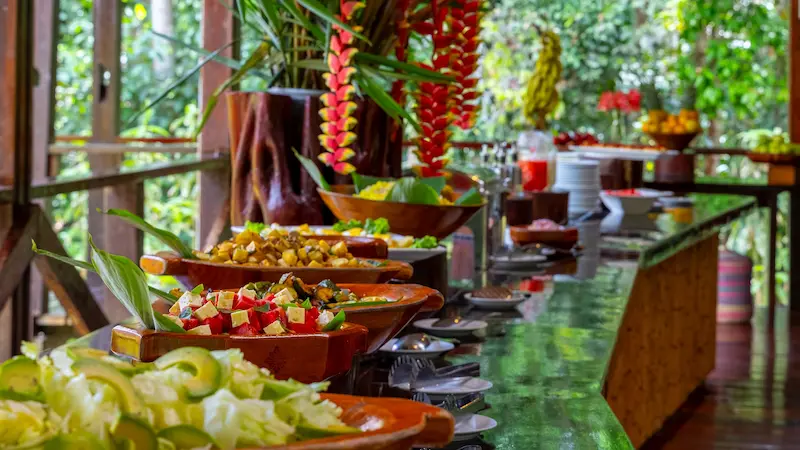
Amazonian Food is more than a collection of traditional dishes; it represents the deep connection between rainforest communities, local ingredients, and generations of knowledge passed down through time. Across the Peruvian Amazon, food is shaped by the rivers, forests, and cultures that surround each community, creating unique flavors that reflect the biodiversity of one of the most extraordinary regions on Earth.
From fresh fish caught in Amazonian rivers to native fruits, ancestral cooking techniques, and ingredients found only in the rainforest, Amazonian cuisine offers travelers an opportunity to understand the relationship between people and nature. Every dish tells a story about adaptation, tradition, and respect for the environment.
Exploring these culinary traditions is also a way to discover the Amazon beyond its landscapes and wildlife. Through local food, visitors can experience the cultural identity of indigenous communities and appreciate the importance of preserving these traditions for future generations.
You might be interested in reading: Saint Rose of Lima and Her Legacy in Peru
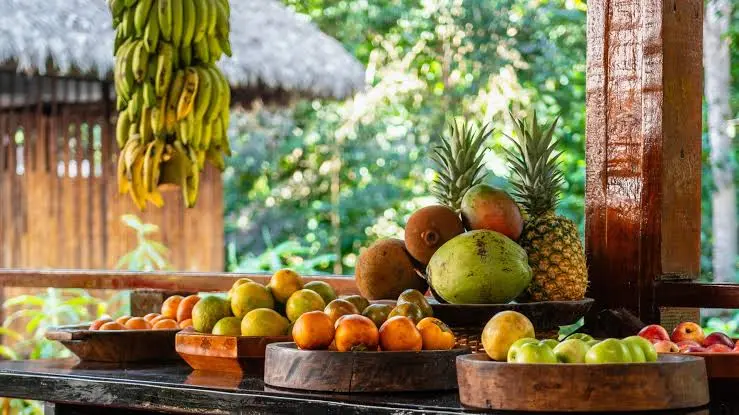
The Connection Between Amazonian Food and Rainforest Culture
The traditions behind Amazonian Food are closely linked to the environment where communities have lived for centuries. The rainforest provides everything needed for daily meals, from river species and wild plants to fruits and medicinal ingredients that have been part of local knowledge for generations.
Rather than relying on imported products, many Amazonian communities continue using natural resources from their surroundings, creating a cuisine based on sustainability, seasonality, and respect for nature.
Food as a Reflection of Amazonian Communities
Food in the Amazon is not only about nutrition; it is a social experience. Meals are often shared with family members, neighbors, and visitors, strengthening relationships and preserving cultural traditions.
Many recipes are transmitted orally from one generation to another, allowing communities to maintain their identity through flavors and preparation methods.
Traditional Amazonian Dishes You Should Experience
The diversity of Amazonian Food can be seen through the variety of traditional dishes prepared throughout the rainforest. Each recipe combines local ingredients with cooking techniques adapted to the environment, creating flavors that cannot be found anywhere else.
Many of these dishes are closely connected to rivers, forests, and indigenous knowledge, making them an essential part of any cultural experience in the Amazon.
Juane: A Symbolic Amazonian Dish
One of the most recognized dishes from the Peruvian Amazon is juane, a preparation made with rice, chicken, olives, and spices wrapped in bijao leaves. Traditionally enjoyed during celebrations, especially the festival of San Juan, this dish represents Amazonian identity and community gatherings.
The process of wrapping and cooking juane in leaves is an example of ancestral techniques that continue being practiced today.
Fresh River Fish and Amazonian Cooking
Fish plays a central role in Amazonian cuisine because rivers provide an important source of food for local communities. Species such as paiche, doncella, and gamitana are commonly prepared using grilling, steaming, or traditional seasoning methods.
| Dish | Main Ingredient | Preparation Style |
| Grilled paiche | Paiche fish | Cooked over fire with local seasonings |
| Fish soup | Fresh river fish | Slow cooked with vegetables and herbs |
| Patarashca | Fish wrapped in leaves | Grilled using ancestral techniques |
Exotic Fruits from the Amazon Rainforest
The Amazon is home to hundreds of native fruits that contribute unique flavors to local cuisine.
Examples include:
- Camu camu
- Aguaje
- Copoazú
- Açaí
- Cocona
These fruits are commonly used in natural juices, desserts, and traditional preparations.
You might be interested in reading: Top 10 Animals of the Amazon Rainforests You Should Know
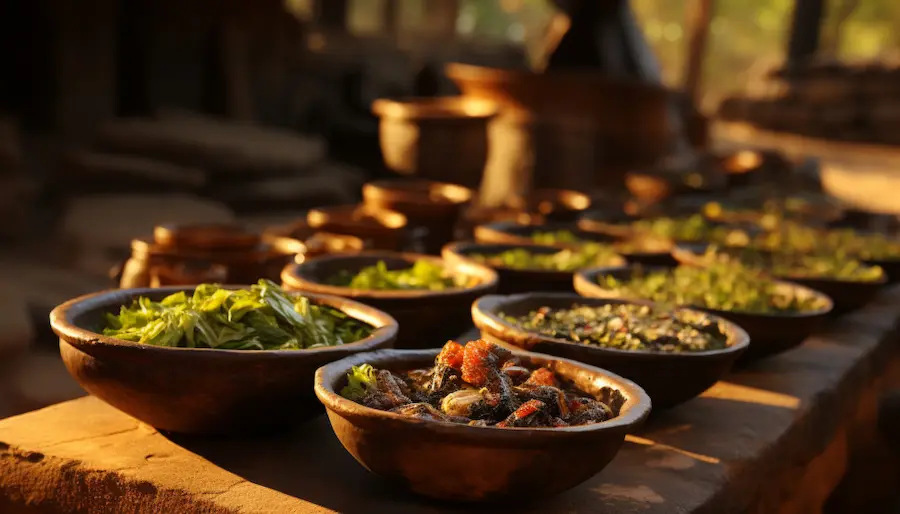
Ancient Cooking Techniques Still Used Today
One of the most fascinating aspects of Amazonian Food is the way traditional cooking methods have survived over time. Many techniques used today are based on indigenous knowledge developed to prepare food using the resources available in the rainforest.
These methods highlight the creativity and adaptation of Amazonian communities, who have learned to transform natural ingredients into flavorful meals while maintaining a strong connection with their environment. From cooking with leaves found in the jungle to using fire as the main source of preparation, these traditions continue preserving the authentic flavors of the Amazon.
Cooking With Leaves and Natural Materials
Using natural materials such as bijao leaves is one of the most representative techniques in Amazonian cuisine. These large leaves are commonly used to wrap food before cooking, helping preserve moisture while adding subtle aromas and flavors to the preparation.
This method is not only practical but also reflects the relationship between local communities and the rainforest. Instead of relying on artificial materials, traditional cooks use resources available in their surroundings, creating sustainable ways to prepare meals.
One of the best-known examples is patarashca, a traditional dish where fish is seasoned with local herbs and spices, wrapped in leaves, and slowly cooked over a fire. This technique allows the ingredients to maintain their natural flavors while absorbing the aroma of the leaves.
Cooking Over Fire and Traditional Methods
Fire remains an essential element in Amazonian kitchens. For generations, communities have used open-fire cooking to prepare fish, meats, vegetables, and other local ingredients, creating flavors that are strongly connected to traditional rainforest cuisine.
Grilling over wood gives food a unique smoky taste and allows cooks to prepare meals using simple tools and techniques passed down through generations. This method continues being used in many rural Amazonian communities because it preserves both flavor and cultural identity.
Smoked fish is another example of this tradition. By slowly exposing fish to smoke from natural wood, communities can preserve the food for longer periods while creating a distinctive flavor.
Grinding and Preparing Ingredients by Hand
Another important tradition in Amazonian kitchens is the manual preparation of ingredients. Many recipes begin with processes such as grinding, crushing, or mixing natural products using traditional tools.
These techniques require patience and knowledge, allowing cooks to maintain the original characteristics of ingredients such as cassava, peppers, seeds, and native fruits.
For many communities, preparing food by hand is not only a cooking process but also a cultural practice where knowledge is shared between generations.
Using Native Plants and Natural Seasonings
Amazonian cuisine depends heavily on plants that grow naturally in the rainforest. Local herbs, peppers, and seeds are used to add flavor while reflecting the biodiversity of the region.
Ingredients such as Amazonian peppers, aromatic leaves, and native plants have been used for centuries to create unique flavors that distinguish rainforest cuisine from other culinary traditions.
The use of these ingredients demonstrates how communities have developed a deep understanding of the resources provided by the forest.
You might be interested in reading: Rivers in Peru That Flow Through the Amazon
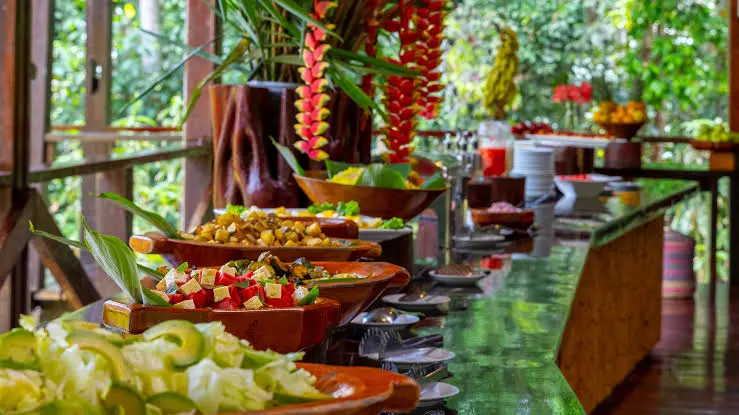
Amazonian Food as Part of a Cultural Travel Experience
Trying Amazonian Food allows travelers to connect with the rainforest in a deeper way. Beyond tasting new flavors, visitors learn about the relationship between communities, biodiversity, and sustainable practices.
A meal prepared with local ingredients becomes an opportunity to understand the Amazon from a cultural perspective. Each recipe reflects the environment where it was created, the resources available in the rainforest, and the knowledge that has been shared between generations.
For many travelers, discovering Amazonian cuisine becomes one of the most memorable parts of their journey because it offers a closer look at the daily life, traditions, and identity of rainforest communities.
Experiencing Local Flavors During an Amazon Adventure
Many travelers exploring destinations such as Manu National Park have the opportunity to enjoy traditional meals prepared with fresh regional ingredients.
Sharing food with local guides and communities creates memorable moments and provides a better understanding of Amazonian traditions. These experiences allow visitors to appreciate not only the flavors of the rainforest but also the stories and customs behind each preparation.
Learning About Amazonian Culture Through Food
Food is one of the most direct ways to understand the culture of a destination. In the Amazon, every ingredient and preparation method reflects the history of the communities that have adapted to life in the rainforest.
By learning how local dishes are prepared, travelers discover the importance of rivers, forests, and native plants in everyday life. A traditional meal becomes more than a culinary experience; it becomes a connection with the people who preserve these customs.
Supporting Local Communities Through Traditional Cuisine
Choosing authentic Amazonian experiences also helps support local communities that continue preserving their culinary traditions. Many local ingredients come from small-scale producers, family gardens, and sustainable practices connected to the rainforest.
Responsible tourism allows visitors to contribute to the preservation of these traditions while encouraging economic opportunities for communities that protect their natural surroundings.
A Culinary Journey Beyond Traditional Dishes
Exploring Amazonian Food goes beyond trying new flavors. It is an opportunity to understand the relationship between humans and one of the most biodiverse ecosystems on the planet.
From sharing a meal prepared by local cooks to discovering ancestral techniques, every culinary experience adds another layer to understanding the Amazon. Food becomes a bridge between travelers, communities, and the rainforest itself.
You might be interested in reading: Is the Amazon in Peru? Maps, Facts & How to Visit
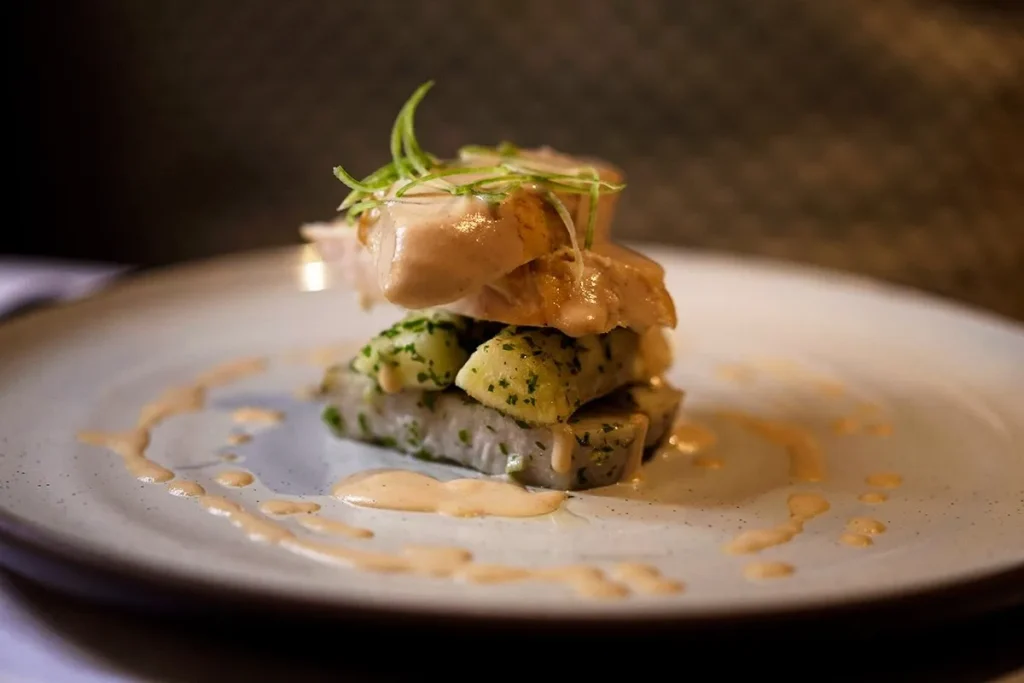
Why Amazonian Food Traditions Should Be Preserved
Amazonian Food traditions represent centuries of knowledge about the rainforest and its resources. Preserving these practices helps protect not only culinary heritage but also the connection between communities and the natural environment.
Supporting responsible tourism allows these traditions to continue being shared with future generations. By valuing local cuisine, travelers contribute to the recognition of ancestral knowledge and the importance of protecting the ecosystems that provide these unique ingredients.
Gastronomy as a Way to Protect Amazonian Culture
Traditional cuisine helps maintain indigenous knowledge, encourages the use of local products, and highlights the importance of protecting rainforest ecosystems.
Many Amazonian recipes carry stories about the relationship between communities and nature. The techniques used to prepare food, the ingredients selected, and the ways meals are shared represent cultural practices that have been preserved for generations.
Preserving Ancestral Knowledge Through Food
Traditional Amazonian cooking methods are a reflection of knowledge passed down through families and communities over centuries. From selecting native ingredients to preparing meals using natural resources, each step represents a connection with the rainforest.
Protecting these traditions helps ensure that younger generations continue learning about their cultural heritage while maintaining the unique identity of Amazonian communities.
Sustainable Tourism and the Future of Amazonian Cuisine
Responsible tourism plays an important role in supporting the preservation of traditional food practices. When travelers choose authentic experiences, they help create opportunities for local communities while encouraging the sustainable use of rainforest resources.
By experiencing local cuisine, visitors contribute to keeping traditional recipes, ingredients, and preparation methods alive while supporting communities that protect the Amazon environment.

[…] You might also be interested in reading: The Most Fascinating Amazonian Food Traditions […]
[…] You might be interested in reading: The Most Fascinating Amazonian Food Traditions […]