


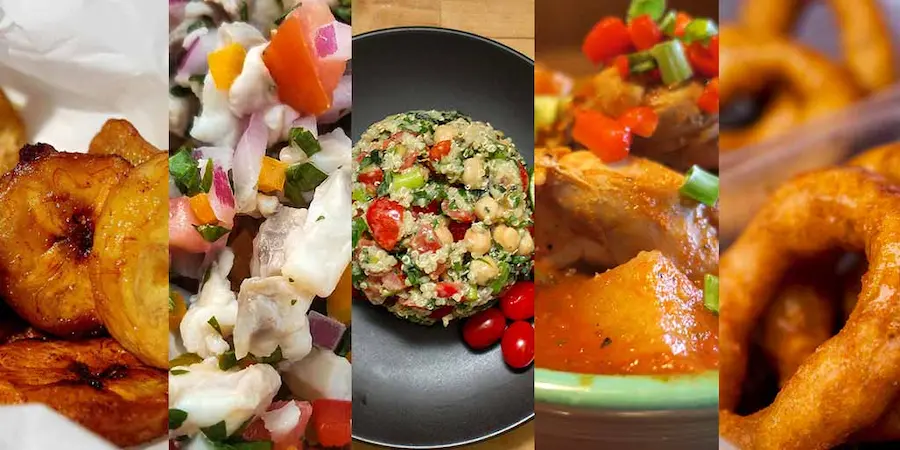
If you’re a foodie looking for unforgettable flavors, typical foods of Peru should be at the top of your culinary bucket list. From the zesty ceviches of the coast to the hearty stews of the Andes, Peruvian cuisine is a vibrant mix of history, culture, and fresh ingredients. Every dish tells a story, whether it’s inspired by Inca traditions, Spanish influences, or a modern gastronomic twist. In this guide, we’ll explore ten must-try dishes that capture the essence of Peru’s food scene, perfect for travelers, food enthusiasts, and anyone curious about international flavors.
You might also be interested in reading: The 10 best places to visit in the Amazon
Why peruvian food is so important
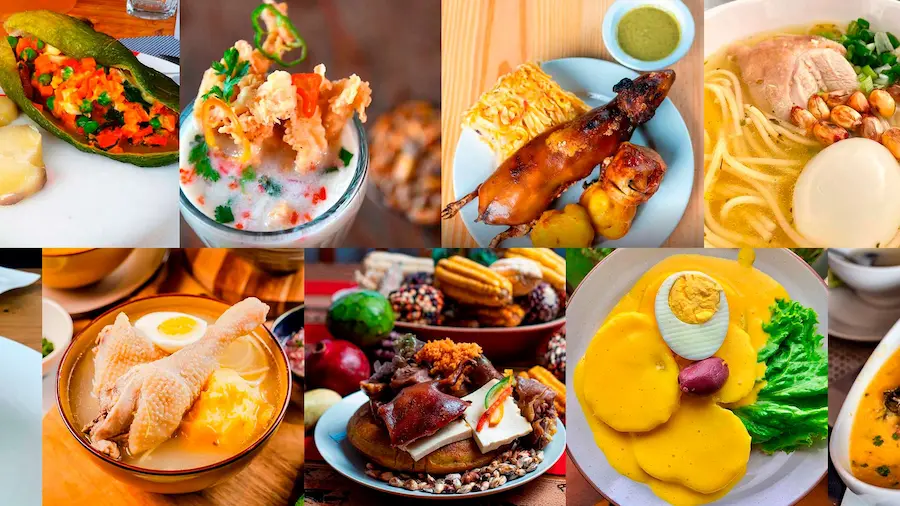
Peruvian cuisine isn’t just about eating, it’s about culture, community, and national pride. Typical foods of Peru connect people to the country’s rich history, traditions, and regional diversity. From bustling street markets to fine dining restaurants, food reflects the spirit of Peru, fostering a sense of belonging and offering travelers an authentic cultural experience. Festivals, family gatherings, and public celebrations are all centered around food, making it an essential part of social life and tourism. Each dish tells a story, whether it’s an ancient Inca recipe, a colonial-era fusion, or a modern culinary innovation. Understanding and enjoying Peruvian food is a way to immerse yourself in the country’s identity and discover why it’s one of the most celebrated cuisines in the world.
1. Preserving cultural heritage
Sampling traditional Peruvian dishes allows locals and travelers to engage with Peru’s history and heritage. Recipes passed down through generations showcase the ingenuity and flavors of different regions, from the Andes to the Amazon and the coastal areas.
2. Boosting culinary tourism
Food is a key motivator for travelers visiting Peru. Gastronomy tours, cooking classes, and visits to local markets allow tourists to interact with the culture while trying authentic dishes. Culinary tourism promotes local economies and supports artisanal food producers.
3. Strengthening community bonds
Sharing meals is central to Peruvian culture. Community events, family gatherings, and local festivals revolve around food, reinforcing connections between people and fostering a sense of unity.
4. Showcasing regional diversity
Peruvian cuisine is incredibly diverse, with each region contributing unique ingredients and cooking methods. Coastal areas specialize in seafood like ceviche, the Andes focus on potatoes and grains, and the Amazon highlights tropical fruits and river fish.
5. Enhancing national pride
Peruvian food is a source of pride for the nation. Celebrating culinary traditions through iconic dishes and international recognition (like the World’s 50 Best Restaurants) strengthens Peru’s global cultural presence.
6. Supporting local producers
Eating and promoting typical foods of Peru helps sustain local farmers, fishers, and artisans. It ensures traditional ingredients are cultivated responsibly and cultural recipes continue to thrive.
You might also be interested in reading: Amazon flooded forest: 10 animals you can see
History behind typical foods of Peru
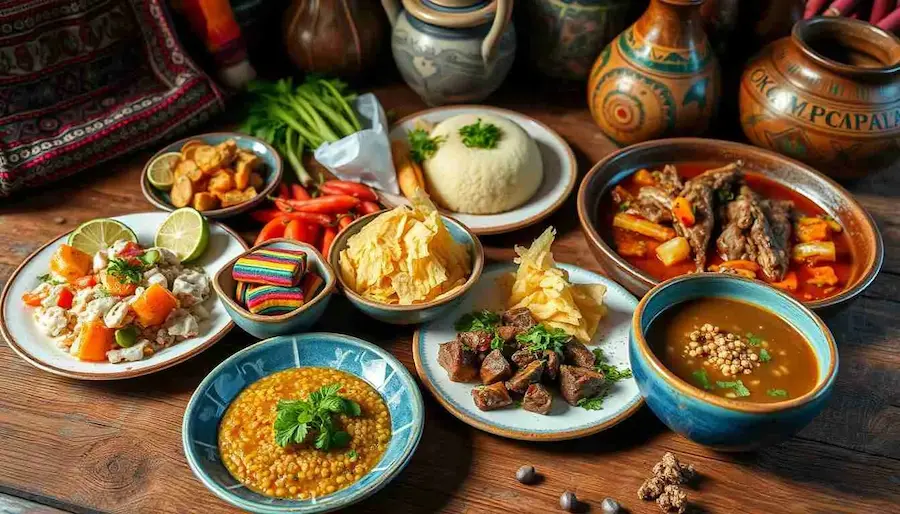
The typical foods of Peru are not only delicious; they are a living testimony to the country’s rich history and cultural fusion. From ancient Inca traditions to Spanish colonial influences, and later contributions from African, Chinese, and Japanese immigrants, Peruvian cuisine has evolved into a diverse and vibrant culinary heritage. Understanding the history behind these dishes helps travelers and food enthusiasts appreciate the flavors, techniques, and stories embedded in every bite.
1. Influence of inca civilization
The Incas were masters of agriculture and food preservation. They cultivated potatoes, maize, quinoa, and native herbs, which remain staples in modern Peruvian cuisine. Many traditional dishes, such as causa or pachamanca, trace their origins back to Inca times, reflecting both their ingenuity and connection to the land.
2. Spanish colonial impact
Spanish colonization introduced meats like beef, pork, and chicken, along with wheat and dairy products. These ingredients merged with native foods to create hybrid dishes like aji de gallina and lomo saltado, blending European techniques with Andean flavors.
3. Asian culinary contributions
Chinese and Japanese immigrants brought stir-fry techniques, soy sauce, and rice cultivation to Peru. This fusion gave rise to Chifa cuisine, a style that influenced many iconic Peruvian dishes, such as lomo saltado, combining wok-style cooking with local ingredients.
4. African and Amazonian influences
African slaves and Amazonian communities introduced unique spices, cooking methods, and local ingredients such as manioc and tropical fruits. These contributions are evident in dishes like tacu tacu and juane, which blend native and imported flavors.
5. Evolution into modern peruvian cuisine
Over the last century, Peruvian cuisine has gained global recognition due to its diversity, innovation, and high-quality ingredients. Modern chefs combine traditional techniques with contemporary presentation, making Peru a top culinary destination. The history of each dish continues to influence how chefs create meals for both locals and international visitors.
You might also be interested in reading: Why Are Pink Dolphins in the Peruvian Amazon?
Top 10 typical foods of Peru
Peru’s culinary scene is vibrant, diverse, and deeply rooted in its history and geography. From the Pacific coast to the Andean highlands, typical foods of Peru combine native ingredients, centuries-old recipes, and global influences to create flavors that are unique and unforgettable. In this section, we explore ten iconic dishes that capture the essence of Peruvian cuisine, perfect for anyone wanting to taste the real Peru during the 2026 season.
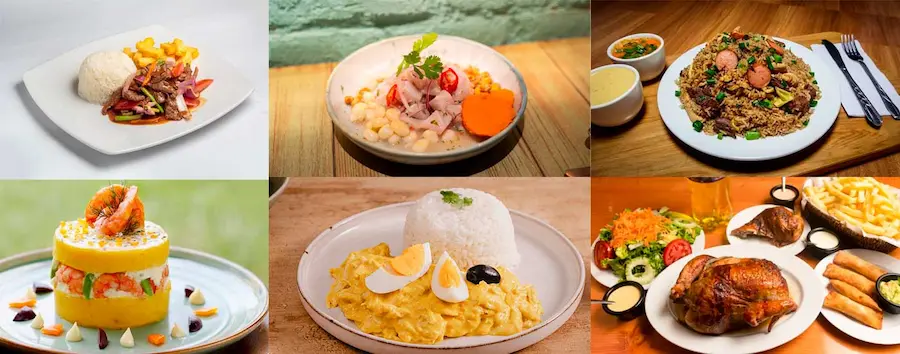
1. Ceviche
Fresh fish, such as corvina or sea bass, is marinated in lime juice with chili peppers, red onion, and cilantro. This dish balances acidity, heat, and freshness, creating a refreshing explosion of flavor. Served with sweet potato and corn (choclo), ceviche is more than a meal, it’s a cultural ritual that embodies Peru’s coastal heritage.
2. Lomo Saltado
A classic stir-fry combining tender beef, onions, tomatoes, and peppers, mixed with soy sauce and vinegar. Served with rice and crispy fries, it reflects Peru’s Asian influences while offering a hearty, savory meal. Its smoky flavor and balance of textures make it a favorite across restaurants and households.
3. Ají de Gallina
Shredded chicken in a creamy yellow chili sauce enriched with cheese, milk, and bread. Served over rice with boiled potatoes, this dish blends comfort with the subtle heat of aji amarillo. Its creamy texture and savory-slightly-spicy profile make it a quintessential Peruvian comfort food.
4. Anticuchos
Skewers of marinated beef heart, grilled to perfection with vinegar, garlic, and Peruvian spices. Traditionally served with boiled potatoes or corn, anticuchos are popular street food that carries centuries of cultural tradition. The smoky, savory taste is a must-try for any visitor seeking authentic flavors.
5. Causa Limeña
Layered mashed yellow potatoes seasoned with lime, aji amarillo, and oil, often filled with chicken, tuna, or avocado. Its presentation is colorful and visually appealing. Causa limeña combines freshness, light spiciness, and a creamy texture that highlights Andean potato heritage.
6. Pollo a la Brasa
Peruvian rotisserie chicken marinated with garlic, cumin, paprika, and other spices, cooked over charcoal. Its juicy meat and crispy skin are perfect when paired with French fries and salad. This dish represents Peru’s love for bold, flavorful comfort food.
7. Rocoto Relleno
Spicy red peppers stuffed with seasoned beef, onions, herbs, and cheese, baked until tender. Typical of Arequipa, it combines heat, creaminess, and complex flavors. Served with potatoes, rocoto relleno is a delicious showcase of highland culinary techniques.
8. Papa a la Huancaína
Boiled yellow potatoes topped with a spicy, creamy sauce made from aji amarillo, cheese, milk, and crackers. Often garnished with olives and hard-boiled eggs, this dish is served cold and is a staple appetizer. It exemplifies the elegance of simple Andean ingredients transformed into a flavorful dish.
9. Tacu Tacu
A pan-fried mix of rice and beans, sometimes topped with a fried egg, seafood, or steak. Originating from Afro-Peruvian cuisine, tacu tacu is hearty and versatile. Its crispy exterior and soft interior make it a comforting and satisfying meal.
10. Seco de Cabrito
A traditional goat stew cooked with cilantro, beer, and spices. Served with rice and beans, seco de cabrito is popular in northern Peru and the highlands. Its rich aroma and tender meat make it an unforgettable dish representing rustic Andean and coastal flavors.
You might also be interested in reading: Where is Manu National Park Located?
Typical foods of Peru by region
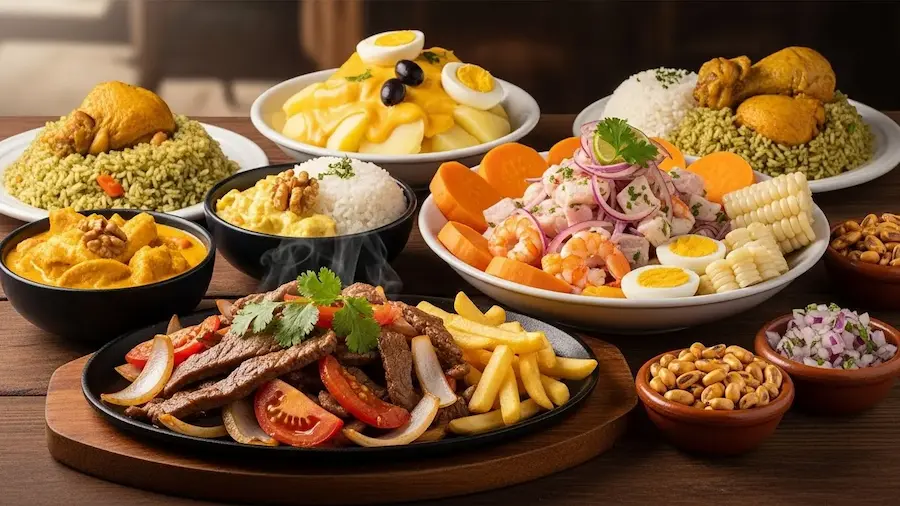
Peruvian cuisine is one of the most diverse and celebrated in the world, thanks to its unique regional flavors, ingredients, and culinary techniques. Each region, coast, highlands, and Amazon jungle, offers a distinct gastronomic experience that reflects its geography, climate, and culture. By exploring the typical foods of Peru by region, travelers and food enthusiasts can understand the depth of Peru’s culinary heritage, enjoy authentic flavors, and discover why Peruvian cuisine has gained global recognition. From fresh seafood on the coast to hearty mountain stews and exotic jungle ingredients, each dish tells a story of tradition, innovation, and culture.
1. Typical foods of the Peruvian coast
The coastal region of Peru is renowned for its fresh seafood, citrus flavors, and light, vibrant dishes. The use of ocean-fresh ingredients combined with native spices and herbs makes coastal cuisine refreshing and full of flavor.
1. Ceviche:
Fresh fish such as corvina or sea bass is marinated in lime juice, chili, red onion, and cilantro. The acidity balances perfectly with the subtle heat, creating a crisp and refreshing dish. Traditionally served with corn (choclo) and sweet potato, ceviche is a must-try coastal classic that exemplifies Peruvian culinary finesse.
2. Tiraditos:
Thinly sliced raw fish dressed with Peruvian-style sauces, including ají amarillo or rocoto. Unlike ceviche, tiraditos are sliced like sashimi, showcasing delicate textures and precise seasoning.
3. Chupe de camarones:
A rich shrimp chowder made with potatoes, corn, milk, cheese, and spices. This hearty dish is typical of southern coastal towns and combines creamy textures with fresh seafood flavors.
2. Typical foods of the Peruvian highlands
The Andean highlands are home to hearty, robust dishes that make use of native crops like potatoes, corn, and quinoa. These foods are rich in flavor and provide nourishment for the mountainous lifestyle.
1. Pachamanca:
A traditional Andean feast where meat, potatoes, corn, and vegetables are cooked underground using hot stones. The slow cooking enhances natural flavors and reflects centuries of Inca culinary tradition.
2. Ají de Gallina:
Shredded chicken in a creamy yellow chili sauce with cheese and milk, served with rice and boiled potatoes. This dish combines comfort, spice, and creamy textures, making it a staple in highland households.
3. Cuy chactado:
Fried guinea pig served whole, seasoned with local herbs and spices. A traditional dish during celebrations and festivals, cuy chactado represents centuries of Andean heritage and ceremonial dining.
3. Typical foods of the Peruvian amazon
Amazonian cuisine is bold, exotic, and rich in tropical ingredients, reflecting the lush biodiversity of the region. River fish, tropical fruits, and native herbs form the basis of these dishes.
1. Juane:
Rice, meat, olives, and spices wrapped in bijao leaves and steamed. This dish is central to Amazonian festivals and combines complex flavors with a rustic presentation.
2. Tacacho con cecina:
Mashed plantain fried and served with smoked pork. It is a traditional comfort food in the jungle, combining sweetness, smokiness, and richness in every bite.
3. Inchicapi:
A creamy chicken soup made with peanuts, herbs, and local Amazonian spices. Its rich aroma and unique taste make it a signature dish of the jungle region.
You might also be interested in reading: Exploring the Benefits of Camera Traps for Wildlife
Ingredients that define Peruvian cuisine
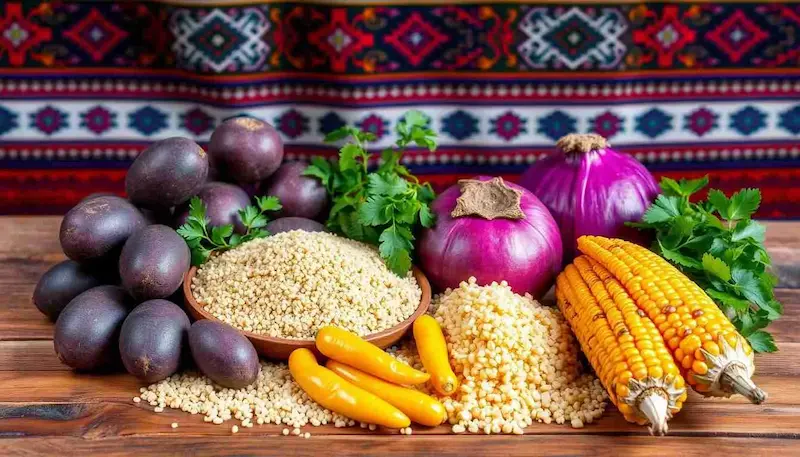
The ingredients that define Peruvian cuisine are not just the raw materials for cooking, they are a gateway to understanding the country’s culture, history, and regional diversity. Peru’s unique geography provides an incredible variety of flavors: the Pacific coast gives fresh seafood, the highlands contribute nutrient-rich tubers and grains, and the Amazon rainforest adds exotic fruits and herbs.
These ingredients are the backbone of typical foods of Peru, allowing chefs and home cooks to create dishes that are colorful, flavorful, and nutritionally rich. Each region’s produce tells a story: the Andes showcase thousands of potato varieties, the coast delivers some of the freshest fish in South America, and the jungle introduces tropical ingredients that surprise the palate. Combining native staples, spices, and proteins, Peruvian cuisine achieves a balance of taste, texture, and aroma that has made it famous worldwide. Understanding these ingredients is essential for anyone who wants to truly appreciate Peru’s culinary heritage.
1. Native andean crops
Potatoes, corn, and quinoa are the pillars of highland cuisine. With over 3,000 potato varieties, Andean farmers have cultivated flavors and textures for centuries. These crops are used in traditional dishes such as causa limeña, pachamanca, and tacu tacu, providing both nutrition and versatility. Quinoa, for instance, offers protein-rich grains, while potatoes form the base of countless stews and side dishes, illustrating the ingenuity of Inca culinary traditions.
2. Fresh seafood from the coast
Peru’s Pacific coast provides some of the freshest seafood in the world, which is essential for dishes like ceviche, tiraditos, and chupe de camarones. The freshness of fish like corvina or sea bass, combined with citrus marinades and native chili peppers, creates vibrant flavors that are light, tangy, and perfectly balanced. Coastal ingredients are celebrated not only for their taste but also for their nutritional value and versatility in both street food and fine dining.
3. Amazonian produce
The Amazon region contributes exotic fruits and herbs that are rarely found elsewhere, such as camu camu, aguaje, and bijao leaves. These ingredients bring unique aromas, flavors, and textures to dishes like juane, tacacho, and inchicapi. They provide a connection to the rainforest ecosystem and highlight Peru’s rich biodiversity, showing how local ingredients shape traditional culinary experiences.
4. Native peppers and spices
Peruvian cuisine relies heavily on aji amarillo, aji panca, and rocoto for its signature heat and color. These peppers not only add spiciness but also depth and complexity to sauces, stews, and marinades. They are essential in creating the vibrant and aromatic flavors that define typical Peruvian dishes, from aji de gallina to anticuchos. Each type of chili carries a distinct level of heat and flavor profile, reflecting centuries of culinary tradition.
5. Proteins and animal products
Chicken, beef, seafood, and even guinea pig (cuy) are common across regions. Proteins are often combined with native vegetables, grains, and spices to create hearty, flavorful dishes. For example, lomo saltado fuses beef with onions, tomatoes, and Peruvian spices, while cuy chactado represents ceremonial traditions in the Andes. These proteins are integral to creating balanced, traditional meals that showcase regional diversity.
6. Herbs and seasonings
Herbs such as cilantro, huacatay, and garlic are essential for adding aromatic complexity. They enhance flavor, provide natural freshness, and are used strategically to complement native ingredients. Correct use of herbs and seasonings can elevate a simple dish into a signature Peruvian culinary experience.
7. Grains and legumes
Rice, beans, and corn are fundamental to Peruvian cuisine. They provide structure, texture, and a foundation for dishes like tacu tacu, anticuchos, and soups. These staples, often combined with proteins and vegetables, highlight the ingenuity of local cooking and offer nutritional balance to each meal.
You might also be interested in reading: A Traveler’s Guide to Manu Biosphere Reserve
Health benefits of typical Peruvian foods
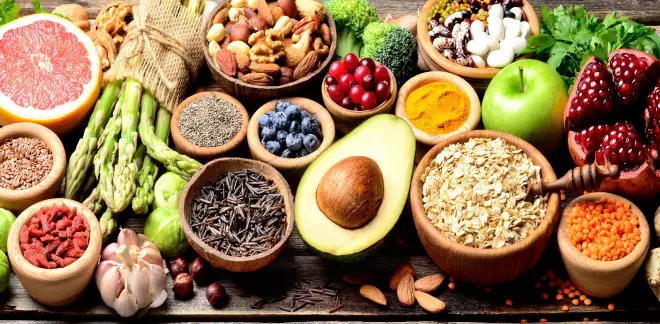
Peruvian cuisine is not only famous for its incredible flavors but also for its nutritional value and health benefits. Many typical dishes of Peru are made from fresh, natural ingredients that support a balanced diet and promote overall well-being. Staples such as quinoa, fresh fish, vegetables, and native chili peppers are rich in proteins, vitamins, minerals, and antioxidants. Understanding the health benefits of these foods helps travelers, chefs, and health-conscious consumers appreciate the functional value of Peruvian gastronomy beyond its taste.
1. Quinoa – The andean supergrain
Quinoa is a nutrient-dense grain native to the Andes, packed with high-quality protein, fiber, and essential amino acids. Incorporating quinoa into meals supports digestion, helps maintain energy levels, and contributes to muscle health. It is a versatile ingredient used in salads, soups, and even desserts, making it a staple in healthy Peruvian food.
2. Fresh seafood – Rich in omega-3
Coastal Peru offers abundant fresh fish such as corvina, sea bass, and shrimp, which are rich in omega-3 fatty acids, vitamins, and minerals. These nutrients support cardiovascular health, improve brain function, and promote anti-inflammatory benefits. Typical dishes like ceviche or tiraditos combine these fish with fresh herbs and citrus, maximizing flavor and nutrition.
3. Native vegetables – Natural vitamins and minerals
Peruvian cuisine uses a wide variety of vegetables, including potatoes, corn, and Andean roots, which are high in vitamins, antioxidants, and dietary fiber. Regular consumption of these vegetables contributes to digestive health, strengthens the immune system, and enhances metabolic function. Dishes like pachamanca or papa a la huancaína showcase the versatility and health value of these ingredients.
4. Chili peppers – Boosting metabolism and immunity
Chili peppers such as aji amarillo, aji panca, and rocoto are rich in capsaicin and antioxidants, which can boost metabolism, aid digestion, and strengthen immunity. They are used in sauces, stews, and marinades, adding flavor while providing functional health benefits.
5. Legumes and grains – Sustained energy
Rice, beans, and corn are essential in Peruvian cuisine, offering complex carbohydrates, fiber, and plant-based protein. These ingredients provide sustained energy, support digestive health, and complement protein sources in dishes like tacu tacu and causa limeña.
6. Nutritional benefits across dishes
Many typical Peruvian dishes are naturally balanced, combining proteins, complex carbohydrates, vegetables, and healthy fats. Eating these foods regularly can improve overall health, support weight management, and promote heart and brain health. Examples include lomo saltado, aji de gallina, and anticuchos, which blend traditional flavors with nutrient-rich ingredients.
You might also be interested in reading: 10 Fascinating Facts About Capybaras

Awards and recognition for Peruvian cuisine worldwide
Peruvian cuisine has rapidly become one of the most celebrated and influential food cultures on the global stage. What was once a hidden gem has now emerged as a gastronomic powerhouse, earning prestigious awards, international acclaim, and widespread recognition from chefs, critics, and food lovers alike. These accolades highlight not only the richness and diversity of typical foods of Peru but also the innovation, creativity, and culinary excellence found throughout the country. From world rankings to international festivals, Peru’s cuisine continues to shine, placing it firmly on the global food map.
1. Peru in the World’s 50 Best Restaurants
Peruvian restaurants have frequently appeared on the World’s 50 Best Restaurants list, one of the most respected global rankings in the culinary world. Restaurants such as Central and Maido regularly earn top positions, showcasing Peru’s ability to blend traditional ingredients with avant-garde techniques. This recognition not only highlights individual restaurants but also underscores the global prestige of Peruvian gastronomy.
2. James Beard awards and international accolades
Peruvian chefs and restaurants have been nominated for, and won, prestigious James Beard Awards, reflecting excellence in culinary arts, chef leadership, and innovation. These awards are considered the “Oscars of the food world” and signify that Peruvian cuisine stands shoulder-to-shoulder with the best in the world. Such accolades help elevate Peru’s culinary profile internationally.
3. Recognition at international food festivals
Peruvian food showcases, competitions, and pavilions at major international food festivals, such as Madrid Fusión, Taste of London, and SAN Pellegrino Alimentaria, have further solidified its reputation. Peruvian chefs often lead demonstrations, workshops, and tastings that celebrate diverse traditional foods like ceviche, lomo saltado, and aji de gallina, introducing global audiences to authentic flavors.
4. UNESCO recognition and cultural significance
The role of Peruvian cuisine in cultural heritage has also been recognized by institutions like UNESCO, which has highlighted the importance of culinary tradition as part of intangible cultural heritage. This acknowledgment reinforces how deeply food is woven into Peru’s social customs, agricultural heritage, and national identity.
5. Peruvian cuisine in global media and guides
International food guides, travel shows, and culinary publications frequently feature Peru among top food destinations. Travel + Leisure, National Geographic, and Michelin Guide travel pieces often rank Peruvian food experiences as must-try worldwide, boosting tourism and global interest in typical Peruvian foods.
6. Impact on global culinary trends
Beyond awards and lists, Peruvian cuisine has influenced global culinary trends. Ingredients like aji amarillo, quinoa, and ceviche-style preparations have been adopted and adapted in menus around the world. Peruvian chefs are also sought after as guest lecturers, judges, and collaborators in global culinary events.

