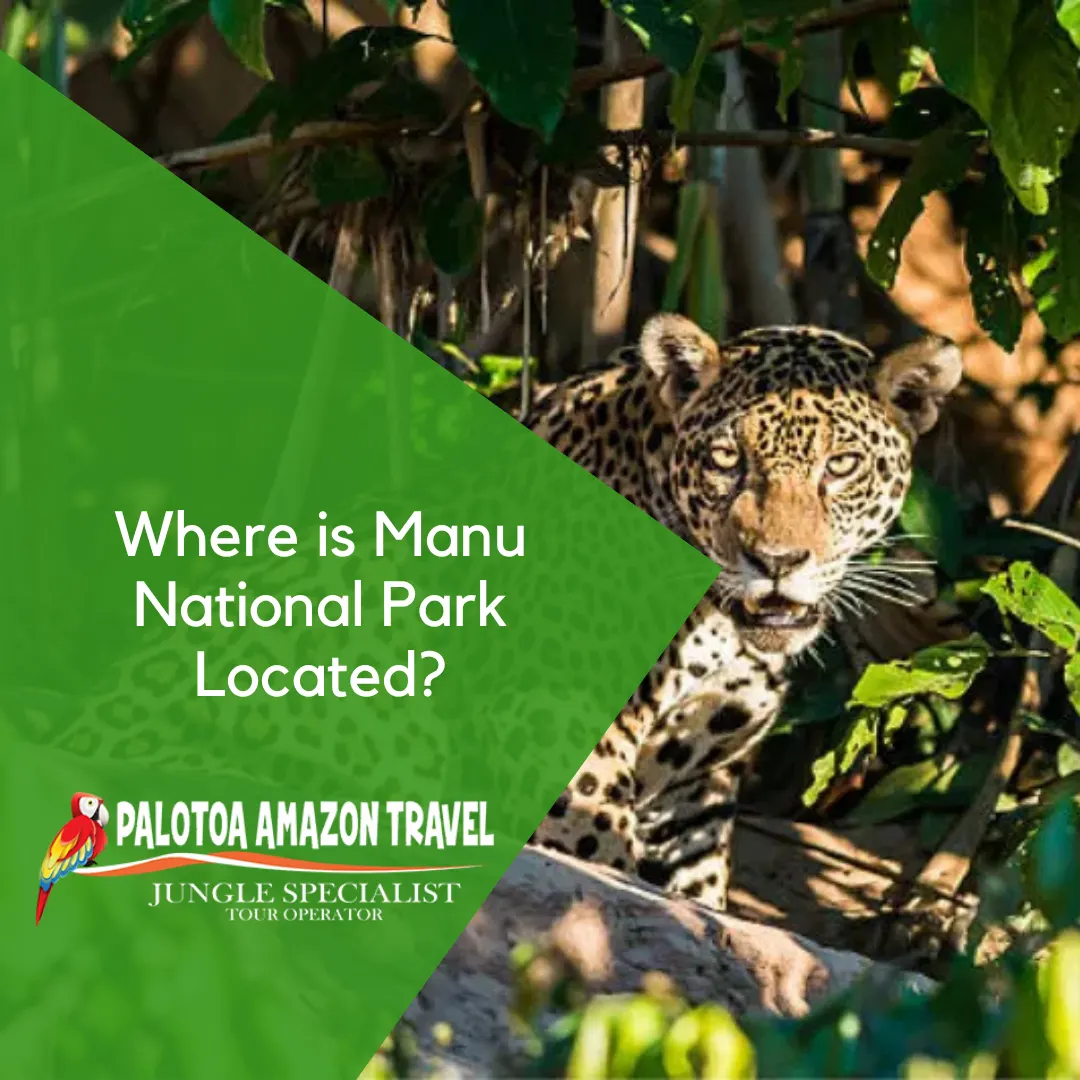



Manu National Park is located in the corner of Peru. If you are trying to find Manu National Park on a map just look at the corner of Peru. It sits between the mountains of Cusco and the thick jungle of Madre de Dios. Manu National Park is where the Andes meet the Amazon.
You can actually see snowy peaks turn into green forest in just a few hours of driving. Manu National Park is an area so checking a Manu Park map before you go is a really smart move.
Because Manu National Park Tours is so huge and wild UNESCO named it a World Heritage site years ago. Manu National Park is basically the big piece of untouched nature left on our planet today. People travel to Manu National Park to see animals that live else.
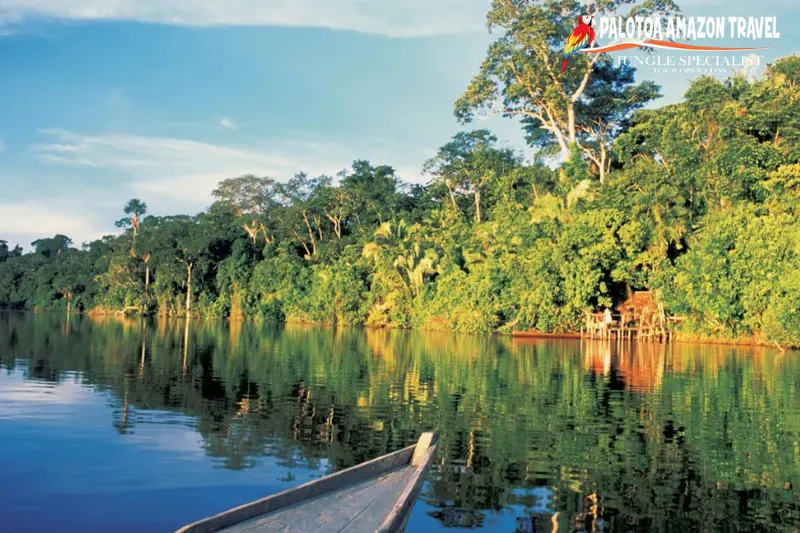
Manu National Park is in Peru right between the high Andes and the low Amazon basin. Manu National Park covers 1.7 million hectares and UNESCO protects it for its vertical biodiversity.”
You get to Manu National Park by driving from Cusco to the cloud forest and then taking a boat from Atalaya. Most of this Park is off-limits to keep the trees and animals safe from people.
The best months to visit Manu are June, July and August when it doesn’t rain much. Comparing Manu National Park to Tambopata Reserve is about choosing between wilderness and easy trips.
Imagine starting at a peak 13,000 feet high and ending in a hot steaming jungle swamp. This wild drop is what makes the location of Manu National Park so special for travelers. It’s like having five worlds in one.
The top stays freezing while the bottom stays hot and humid all year round. Scientists call this ‘vertical biodiversity’ because the plants change every miles you go down. You can see clouds literally sitting inside the trees in the parts.
When you drop from the peaks you hit the Cloud Forest also known as the Selva Alta. The air here is always wet and thick with mist, which hides birds and monkeys. It is a trippy place to walk through.
If you look at a Manu Park map you will see that most of it is a “no-go” zone. Manu National Parks are split into three layers to make sure the heart stays totally pure. This keeps the animals from ever seeing a human.
Understanding the Manu National Park entrance permits and regulations depends on these zones:
The core is closed to protect tribes who have never had contact with the world. Keeping people out is the way to save them from modern diseases. It is one of the places on Earth that is truly secret.
Cusco is the starting point for almost every single trip into the deep Manu jungle Tours. When you check how to get to Manu from Cusco the road is the thing you notice. It is a bumpy and beautiful drive.
Most tours use the Paucartambo route to reach the entrance of Manu National Park by van. You spend a day climbing up mountains and then winding down into the green. The views are incredible if you don’t mind the heights.
The best part of the drive is the Acjanaco Pass, which sits at 12,000 feet high. This is the gateway where the Andes end and the Amazon basin finally begins. You can see the jungle stretching out forever from there.
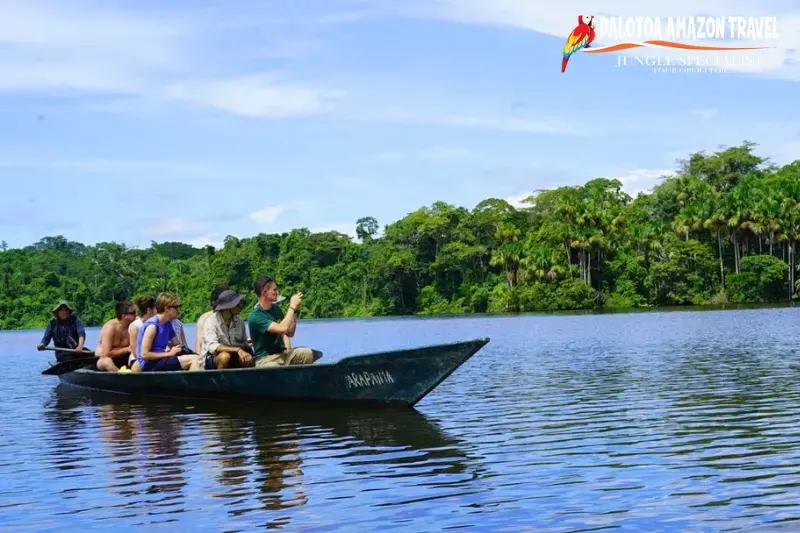
Once the road stops the rivers become the way to move around the reserve. There are zero paved streets inside Manu National Park so you have to use wooden boats. You trade your van for a canoe at the river ports.
Atalaya and Shintuya are the two ports where most of the river trips start. Taking a Manu National Park boat tour from Atalaya is an adventure. You spend hours watching the banks for jaguars and birds.
Life on a boat is fun. The Amazon rain is no joke for your expensive gear. To keep your clothes and camera from getting ruined by the water bring these things:
Choosing between Manu National Park and Tambopata Reserve depends on how much time you have and your budget. The battle of Manu National Park vs Tambopata Reserve is really about adventure versus comfort. Tambopata is much easier to reach if you are in a rush.
Tambopata has an airport nearby so you can be in the jungle in a few hours. Manu National Park takes at least a couple of days just to get to the good parts. Think about these things before you decide which one to book:
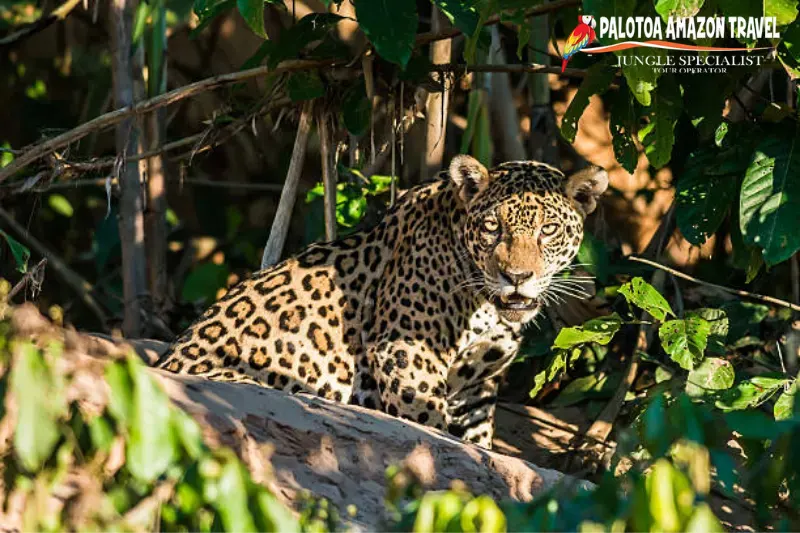
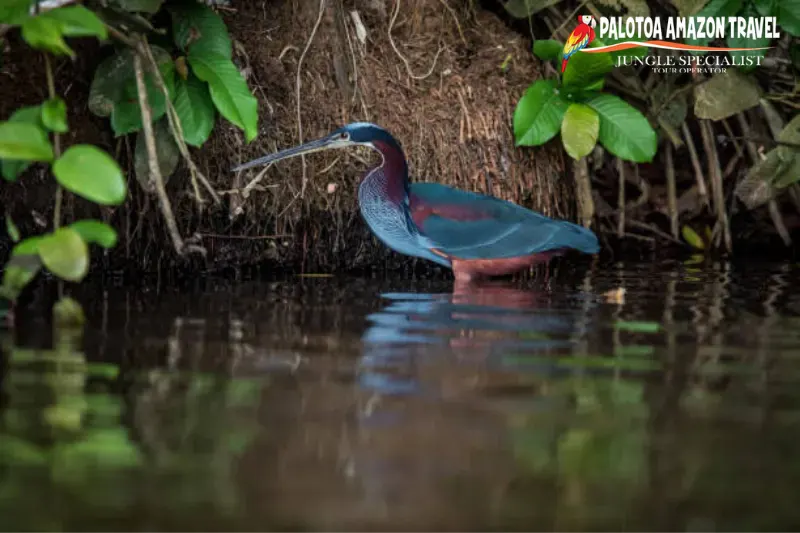
The jungle in Manu National Park is very dense so the animals have plenty of places to hide. You need a lot of patience and a good guide. Only expert eyes can spot a jaguar sleeping in the branches.
The Amazon has two main seasons: the time when it rains a lot and the time it doesn’t. These cycles change the map. Determine where the animals go to find food. You have to time your trip to see the best stuff.
June to August is the “dry” season and the absolute best time for wildlife fans. Since the river is low animals have to come out to the banks to find water. This is when you have the chance to see a jaguar.
Don’t assume the jungle is always hot because “friajes” can happen at any time. These are winds from the south that make the temperature drop to 50°F fast. You will definitely want a sweater for those cold nights.
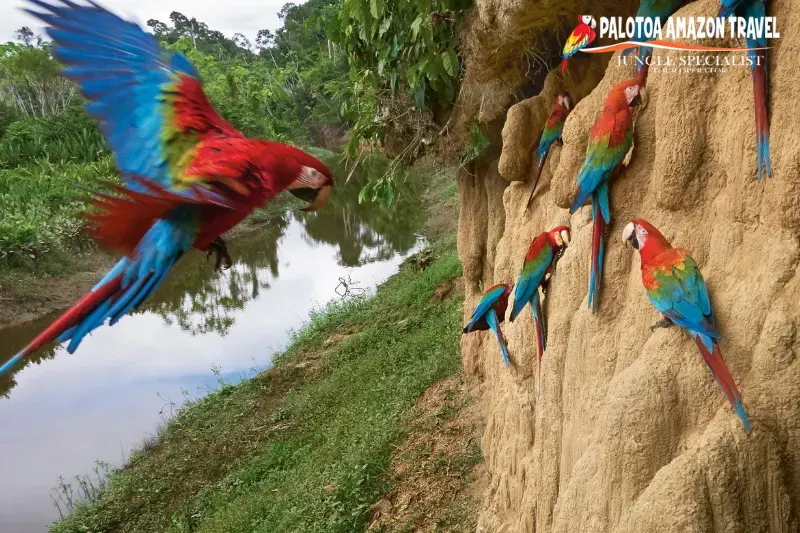
Checking a Manu Park map shows you a world that feels completely separate from the city. It is a place where the mountains meet the mud and the trees. Planning is the way to make sure you actually get in.
Before you leave Cusco make sure you have checked off these four steps:
The long road and the boat rides are what keep Manu National Park quiet and beautiful today. That distance is like a shield that protects the monkeys, birds and the tribes. It is a journey but it is worth every single bump.
Where is Manu National Park located?
Manu National Park is in the corner of Peru hidden between Cusco and Madre de Dios. You can find it on a map by looking for the green space near the Brazilian border.
How large is Manu. Why is it recognized by UNESCO?
Manu National Park covers 1,7 million hectares, which makes it one of the protected woods on Earth. UNESCO loves it because of the ” biodiversity” that spans from cold peaks to hot jungle.
How do you get to Manu from Cusco?
Most people drive from Cusco through the Paucartambo mountains to reach the Acjanaco Pass. After that you head down to river ports like Atalaya to catch a motorized canoe for the trip. Since there are no roads in the park the rivers are the only way to travel.
What are the park’s access zones. Do I need permits?
Manu National Park is split into the Cultural zone, the Reserved zone and the private Core zone. You have to know that you need to have Manu National Park entrance permits and regulations handled by a guide
When is the best time to visit for wildlife. What conditions should I expect?
The best months to visit Manu National Park are from June to August because the low water brings animals out. Always bring bags to keep your camera safe from the sudden jungle downpours.

