


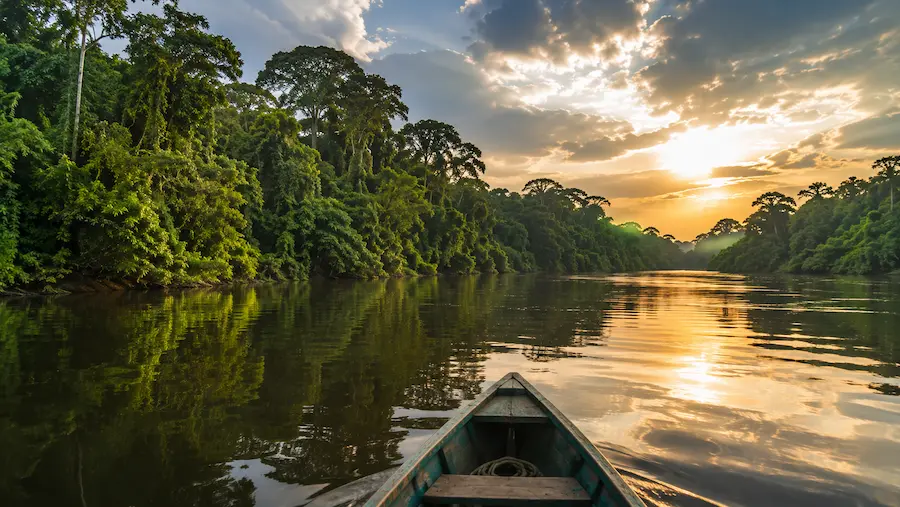
Is the Amazon in Peru? It’s one of the questions travellers ask most when planning a trip to South America. With Brazil being so closely associated with the Amazon Rainforest, it’s easy to assume that’s where it all begins and ends. In reality, Peru is home to one of the largest and most biologically diverse sections of the Amazon, offering extraordinary wildlife, ancient cultures and some of the most rewarding rainforest experiences on the continent.
Whether you’re dreaming of spotting macaws at sunrise, cruising along jungle rivers or staying in a remote eco-lodge, the Peruvian Amazon has something for every kind of traveller. Better still, it’s often easier to explore than many people expect, with excellent access from cities such as Cusco, Lima and Puerto Maldonado.
In this guide, we’ll explain exactly where the Amazon is in Peru, how much of the rainforest lies within its borders, the best places to visit, and everything you need to know before planning your adventure.
You might be interested in reading: Holiday Destinations to Discover the Best of Peru
Where Is the Amazon in Peru?
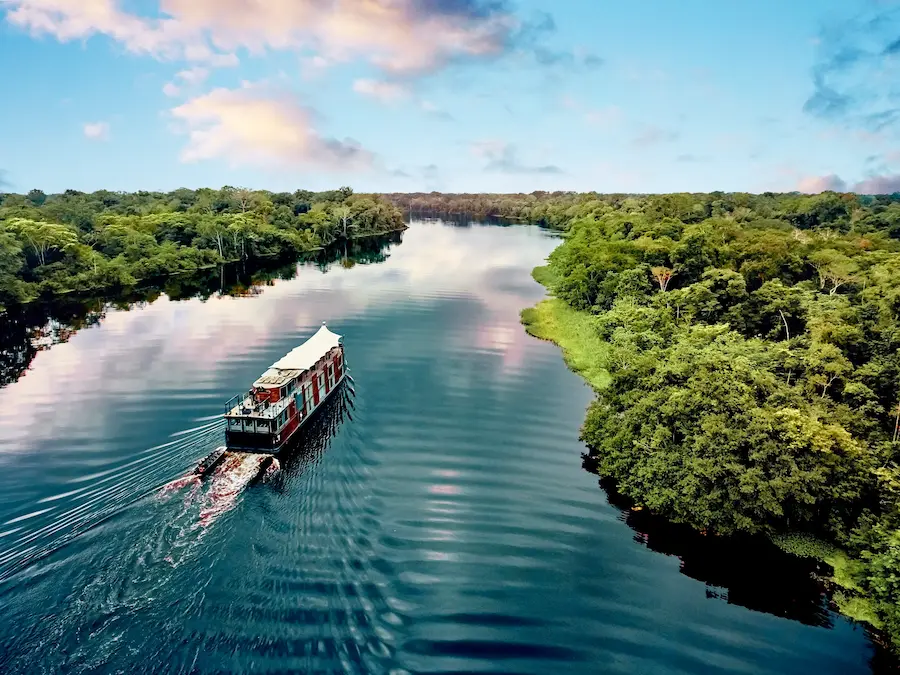
Many travellers picture Peru as a land of towering mountains, ancient Inca ruins and colourful Andean villages. While that’s certainly part of the country’s identity, there’s another side to Peru that surprises first-time visitors. Nearly 60% of the country lies within the Amazon Basin, making Peru one of the world’s most important rainforest destinations.
Stretching across the eastern half of the country, the Peruvian Amazon is a vast network of tropical forests, winding rivers and protected reserves that eventually feed into the mighty Amazon River. Knowing where the rainforest begins, which regions it covers and how it connects with neighbouring countries can help you choose the right destination for your trip and better understand the incredible scale of this natural wonder.
1. Is the Amazon Rainforest Really in Peru?
Absolutely. Peru is home to one of the largest sections of the Amazon Rainforest and contains millions of hectares of protected tropical forest. Although Brazil holds the biggest share of the Amazon, Peru ranks among the countries with the highest levels of biodiversity, making it one of the best places to experience wildlife and untouched nature.
Visitors can explore everything from dense jungle trails and oxbow lakes to remote indigenous communities and winding rivers that eventually become part of the Amazon River system.
2. Which Parts of Peru Are Covered by the Amazon?
The Amazon stretches across several regions in eastern Peru, each offering a different experience for travellers.
Some of the best-known Amazon destinations include:
- Loreto, home to Iquitos and one of the largest continuous rainforest areas on Earth.
- Madre de Dios, famous for Tambopata National Reserve and easy access from Cusco.
- Ucayali, where the city of Pucallpa serves as a gateway to the central Amazon.
- San Martín, combining cloud forests with Amazonian ecosystems.
- Amazonas, known for its lush landscapes and archaeological sites such as Kuélap.
Together, these regions protect an extraordinary variety of wildlife, ecosystems and indigenous cultures that cannot be found anywhere else.
3. Which Countries Does the Amazon Rainforest Cover?
One of the biggest misconceptions is that the Amazon belongs exclusively to Brazil. In reality, the Amazon Rainforest spans nine countries and territories across South America.
These include:
- Brazil
- Peru
- Colombia
- Bolivia
- Ecuador
- Venezuela
- Guyana
- Suriname
- French Guiana (an overseas department of France)
Brazil contains the largest portion of the rainforest, but Peru holds one of the most accessible and biologically rich sections, attracting travellers looking for immersive jungle experiences away from mass tourism.
4. Does the Amazon River Start in Peru?
This is another question many travellers ask before visiting.
Although the Amazon River eventually flows through Brazil before reaching the Atlantic Ocean, many scientists agree that its longest headwaters originate high in the Peruvian Andes. Streams near Nevado Mismi, in southern Peru, are widely recognised as one of the river’s most distant sources.
As these mountain streams join together, they eventually become major rivers that feed the Amazon, highlighting Peru’s vital role in the formation of the world’s largest river system.
5. Why Do So Many Travellers Choose Peru to Visit the Amazon?
While every Amazon country offers something unique, Peru has become one of the favourite destinations for international visitors thanks to its combination of accessibility, biodiversity and well-developed tourism infrastructure.
Many travellers choose Peru because they can easily combine a visit to the Amazon with iconic destinations such as Machu Picchu, the Sacred Valley or Cusco. Domestic flights, comfortable eco-lodges and experienced local guides also make exploring the rainforest both convenient and rewarding.
You might be interested in reading: Top 10 typical foods of Peru you must try!
Why Is the Peruvian Amazon So Special?
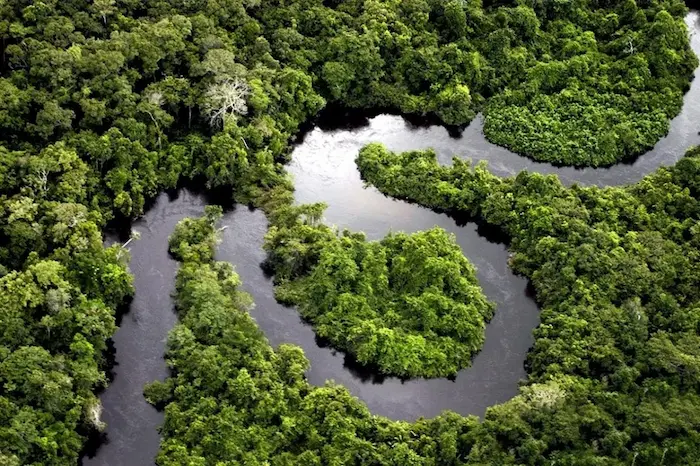
The Amazon Rainforest stretches across much of South America, yet each country offers a different way to experience it. Peru stands out thanks to its remarkable biodiversity, vast protected areas and the chance to explore pristine rainforest without travelling to heavily developed tourist regions. For many visitors, it feels wild, authentic and surprisingly accessible.
Another reason travellers choose Peru is the variety of experiences available. Whether you’re looking for luxury jungle lodges, family-friendly wildlife tours, birdwatching expeditions or multi-day river adventures, the Peruvian Amazon caters to every style of traveller while maintaining a strong focus on conservation and sustainable tourism.
1. One of the Most Biodiverse Places on Earth
Few places on the planet can rival the biodiversity found in the Peruvian Amazon. Scientists continue to discover new plant and animal species, while visitors have the opportunity to encounter wildlife that exists nowhere else.
Depending on where you travel, you may spot colourful macaws, giant river otters, pink river dolphins, sloths, tapirs, monkeys, black caimans and hundreds of butterfly species. The rainforest is also home to thousands of medicinal plants and an extraordinary variety of tropical trees.
2. Protected National Parks and Nature Reserves
One of Peru’s greatest strengths is its commitment to preserving the Amazon through an extensive network of national parks and protected reserves.
Some of the country’s most famous conservation areas include:
- Tambopata National Reserve
- Manu National Park
- Pacaya Samiria National Reserve
- Bahuaja Sonene National Park
These protected areas help safeguard fragile ecosystems while allowing visitors to experience the rainforest responsibly through guided excursions led by experienced local naturalists.
3. Easier to Visit Than Many Travellers Expect
Many people assume visiting the Amazon requires weeks of planning or complicated logistics. In Peru, reaching the rainforest is often much easier than expected.
Direct flights connect Lima with major Amazon gateways such as Puerto Maldonado, Iquitos and Pucallpa. From cities like Cusco, travellers can reach Puerto Maldonado in under an hour by air before continuing to nearby jungle lodges by boat or road.
This convenience allows visitors to combine the Amazon with destinations such as Machu Picchu, the Sacred Valley or Lake Titicaca within the same holiday.
4. A Chance to Experience Indigenous Cultures
The Peruvian Amazon is not only rich in wildlife but also in cultural heritage. Dozens of Indigenous communities continue to live throughout the rainforest, preserving traditions that have existed for centuries.
Many responsible tourism experiences include opportunities to learn about traditional medicine, local agriculture, craftsmanship and sustainable ways of living that have been passed down through generations. These cultural encounters often become one of the most memorable parts of an Amazon journey.
5. Sustainable Tourism Is a Priority
Peru has become a leading destination for eco-tourism, with many lodges and tour operators actively supporting rainforest conservation and local communities.
Visitors can stay in eco-lodges built with sustainable materials, participate in wildlife conservation initiatives and contribute directly to local economies. Choosing responsible operators helps protect the rainforest while ensuring future generations can continue to experience one of the world’s greatest natural treasures.
You might be interested in reading: Should you worry about rain in the amazon rainforest?
Best Places to Visit the Amazon in Peru
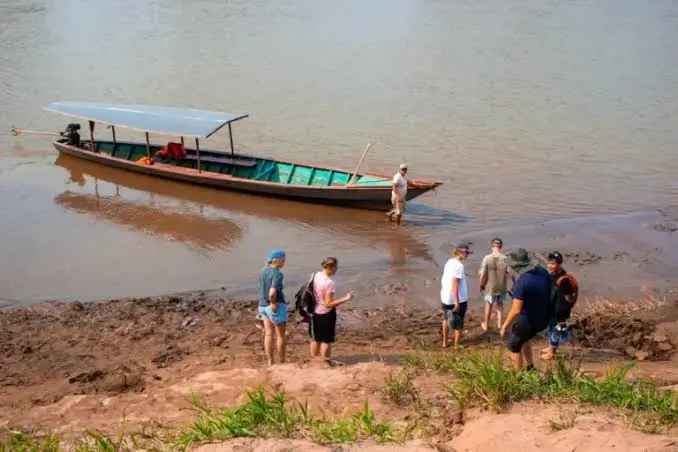
One of the best things about exploring the Peruvian Amazon is the variety of destinations available. Whether you’re looking for an easy jungle escape, a luxury eco-lodge, a remote wildlife expedition or a truly off-the-beaten-path adventure, Peru offers experiences to suit every type of traveller.
Choosing the right destination depends on what you hope to experience during your trip. Some regions are famous for incredible biodiversity and wildlife photography, while others offer deeper immersion into the rainforest through river cruises, national parks and encounters with Indigenous communities. Understanding the differences between each destination will help you plan an Amazon adventure that matches your interests, travel style and available time.
1. Puerto Maldonado (Best for First-Time Visitors)
Puerto Maldonado is often considered the easiest gateway to the Peruvian Amazon, making it the perfect destination for first-time visitors. Located in the Madre de Dios region, the city is just a short flight from Cusco or Lima, allowing travellers to reach the rainforest without spending days travelling.
Most visitors stay in jungle lodges located along the Tambopata River, where daily excursions include wildlife spotting, canopy walkways, oxbow lakes and guided night walks. It’s one of the best places in Peru to see monkeys, macaws, giant river otters and colourful tropical birds while enjoying comfortable accommodation surrounded by nature.
2. Iquitos (The Ultimate Amazon Experience)
If you’re looking for a deeper and more authentic rainforest adventure, Iquitos is one of the most fascinating destinations in South America. Unlike most cities, Iquitos cannot be reached by road, making it feel isolated in the heart of the Amazon.
From here, travellers can explore the Pacaya Samiria National Reserve, cruise along the Amazon River, visit Indigenous communities and spend several days navigating remote waterways. Iquitos is ideal for those who want to immerse themselves in the rainforest and experience the Amazon on a much larger scale.
3. Manu National Park (Best for Wildlife Enthusiasts)
Recognised as a UNESCO World Heritage Site, Manu National Park is one of the most biologically diverse protected areas on Earth. Its vast ecosystems range from cloud forests in the Andes to lowland tropical rainforest, creating habitats for thousands of plant and animal species.
Manu is a dream destination for nature lovers, birdwatchers and wildlife photographers. Visitors may encounter spectacled bears, giant otters, tapirs, monkeys, colourful macaws and hundreds of bird species. Because access is more restricted than other destinations, Manu remains one of Peru’s most pristine and untouched rainforest environments.
4. Tambopata National Reserve
Tambopata National Reserve is one of Peru’s most famous wildlife destinations and a favourite among travellers looking to experience the rainforest without venturing too far from civilisation. The reserve protects more than 270,000 hectares of tropical forest and is internationally recognised for its incredible biodiversity.
One of Tambopata’s biggest attractions is the spectacular macaw clay licks, where hundreds of brightly coloured parrots and macaws gather each morning. Visitors can also explore jungle trails, paddle across oxbow lakes, take canopy walks and enjoy guided excursions that offer excellent opportunities to spot caimans, capybaras, monkeys and giant river otters.
You might be interested in reading: The 10 best places to visit in the Amazon
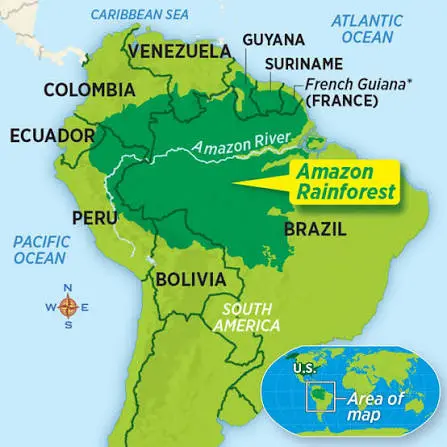
Amazon Rainforest Map: Where Is the Amazon Located?
Maps are one of the easiest ways to understand the enormous scale of the Amazon Rainforest. Spanning millions of square kilometres across South America, the Amazon extends far beyond Brazil and reaches deep into countries such as Peru, Colombia, Bolivia and Ecuador. Seeing the rainforest on a map helps travellers understand just how vast and interconnected this ecosystem really is.
For visitors planning a trip to Peru, a map also highlights the country’s important role within the Amazon Basin. Much of eastern Peru is covered by tropical rainforest, with major rivers flowing from the Andes into the Amazon River system before continuing their journey across the continent to the Atlantic Ocean.
You might be interested in reading: Amazon flooded forest: 10 animals you can see
How to Get to the Amazon in Peru
Reaching the Peruvian Amazon is much easier than many travellers imagine. Although the rainforest covers a vast area of eastern Peru, several modern airports and well-established transport routes make it possible to travel from almost anywhere in the world with just one or two connections.
Your journey will usually begin in Lima, Peru’s capital, before continuing to one of the country’s main Amazon gateways, such as Puerto Maldonado, Iquitos or Pucallpa. From there, you’ll travel by boat or road to your jungle lodge or tour starting point. The best route depends on where you’re travelling from and which part of the Amazon you plan to explore.
1. How to Get to the Peruvian Amazon from Europe
Travellers from Europe can easily reach Peru via international flights to Jorge Chávez International Airport (LIM) in Lima. There are direct services from cities including Madrid, Paris, Amsterdam and London, while other European destinations usually require just one connection.
Once in Lima, domestic flights connect you to the Amazon’s main gateways:
- Puerto Maldonado (around 1 hour 40 minutes)
- Iquitos (around 2 hours)
- Pucallpa (around 1 hour)
Many visitors combine the Amazon with Cusco and Machu Picchu, creating a well-balanced itinerary that includes both the Andes and the rainforest.
2. How to Get to the Peruvian Amazon from North America
For travellers from the United States and Canada, reaching Peru is straightforward thanks to numerous international connections.
Direct and connecting flights operate from cities such as:
- Miami
- New York
- Atlanta
- Houston
- Los Angeles
- Toronto
Most flights arrive in Lima, where passengers can continue to the Amazon by domestic flight. Depending on your chosen destination, it’s possible to reach the rainforest on the same day you land in Peru.
3. How to Get to the Peruvian Amazon from South America
If you’re already travelling through South America, reaching the Peruvian Amazon is relatively simple. Major airlines connect Lima with cities across the continent, including:
- Bogotá
- Santiago
- Buenos Aires
- São Paulo
- Rio de Janeiro
- Quito
- La Paz
Some travellers also arrive overland before continuing to the Amazon by domestic flight, particularly when combining Peru with neighbouring countries.
4. How to Get to the Peruvian Amazon from Asia and Oceania
Visitors travelling from Asia or Australia will typically connect through major international hubs such as Los Angeles, Dallas, Madrid, Paris or Amsterdam before flying to Lima.
Although the journey is longer, Peru’s well-connected domestic flight network makes reaching the Amazon surprisingly straightforward once you arrive in the country.
Many international travellers choose to spend a night in Lima before continuing their journey into the rainforest the following morning.
5. Flying to Puerto Maldonado, Iquitos or Pucallpa
The destination you choose will depend on the type of Amazon experience you’re looking for.
- Puerto Maldonado is the best option for visitors wanting easy access to Tambopata National Reserve and luxury jungle lodges.
- Iquitos is ideal for Amazon River cruises and deeper rainforest expeditions.
- Pucallpa offers a less-visited gateway to the central Peruvian Amazon and a more off-the-beaten-path experience.
Domestic flights depart daily from Lima, with some seasonal connections also operating from Cusco.
6. Can You Visit the Amazon from Cusco?
Yes, and it’s one of the most popular travel combinations in Peru.
After exploring Machu Picchu, the Sacred Valley and Cusco, many travellers continue their adventure by flying directly to Puerto Maldonado, a journey of less than one hour. This makes it easy to experience two of Peru’s most iconic landscapes in a single holiday.
Several tour operators also offer combined itineraries that include Cusco, Machu Picchu and the Amazon, allowing visitors to discover both the Andes and the rainforest without complicated travel arrangements.

[…] You might also be interested in reading: Is the Amazon in Peru? Maps, Facts & How to Visit […]