


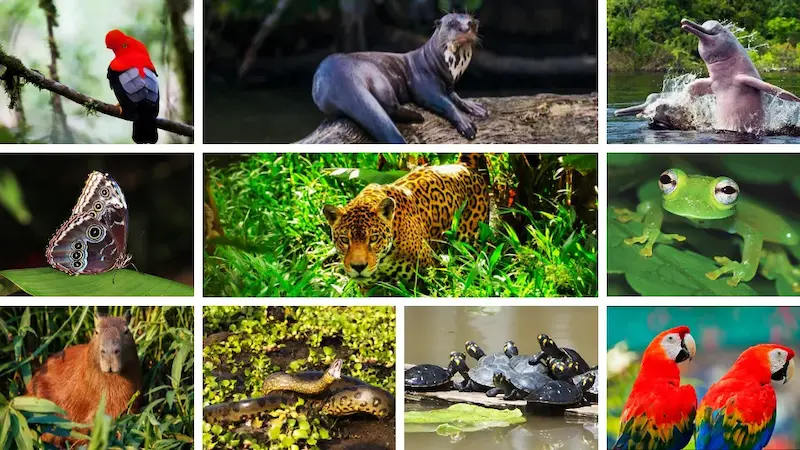
Animals of the Amazon rainforests are some of the most fascinating creatures on Earth, living in one of the most diverse ecosystems on the planet. The Amazon rainforest is home to thousands of species that have adapted to an environment filled with rivers, giant trees, and unique natural landscapes.
From powerful predators like jaguars to colorful amphibians hidden among the vegetation, every corner of the rainforest reveals a different example of wildlife evolution. For travelers visiting Peru, exploring the Amazon is not only about discovering incredible landscapes but also about experiencing close encounters with animals in their natural habitat.
In this guide, we will explore the top 10 animals of the Amazon rainforests, their unique characteristics, and why they make the Peruvian Amazon one of the best destinations for wildlife lovers.
You might also be interested in reading: Is the Amazon in Peru? Maps, Facts & How to Visit
Why Are the Animals of the Amazon Rainforests So Unique?
The animals of the Amazon rainforests are unique because they have evolved in one of the most complex ecosystems on Earth. The Amazon is not just a large forest; it is a network of rivers, wetlands, trees, and microhabitats where thousands of species interact every day.
From animals that live high in the canopy to species that depend on rivers and flooded forests, each creature has developed special characteristics that help them survive in this environment. This incredible adaptation is one of the reasons why the Amazon is considered one of the greatest wildlife destinations in the world.
1. The Amazon rainforest is home to incredible biodiversity
One of the main reasons Amazon animals are so fascinating is the extraordinary variety of species found in this ecosystem. The rainforest provides different environments where mammals, birds, reptiles, amphibians, and insects can find food, shelter, and places to reproduce.
Every layer of the forest supports different forms of life. While monkeys and birds move through the treetops, jaguars and other mammals explore the forest floor, and aquatic species thrive in the rivers and wetlands.
2. Animals have adapted to survive in a challenging environment
Living in the Amazon requires unique survival strategies. Many species have developed physical and behavioral adaptations that allow them to compete for resources and avoid threats.
Some animals use camouflage to blend into their surroundings, while others rely on speed, strength, intelligence, or specialized abilities to survive in the dense rainforest.
3. Camouflage helps animals remain hidden
Many Amazon rainforest animals use their appearance as a survival tool. Their colors and patterns allow them to disappear among leaves, branches, and vegetation, making it easier to avoid predators or approach their prey.
For example, certain frogs, insects, and reptiles can be extremely difficult to spot because they perfectly match their environment.
4. Unique behaviors help animals find food
The Amazon rainforest offers abundant resources, but finding food requires adaptation. Many species have developed specific behaviors, such as traveling in groups, hunting strategically, or depending on certain plants and fruits.
Monkeys, birds, and mammals all contribute to the balance of the ecosystem by spreading seeds and maintaining the natural cycle of the forest.
5. The rainforest canopy creates a world above the ground
The Amazon canopy is one of the most important habitats in the rainforest. Many animals spend most of their lives high above the forest floor, where they find food and protection.
Species such as monkeys, sloths, and colorful birds depend on the trees for survival, creating an entire ecosystem that exists above the ground.
You might also be interested in reading: Holiday Destinations to Discover the Best of Peru
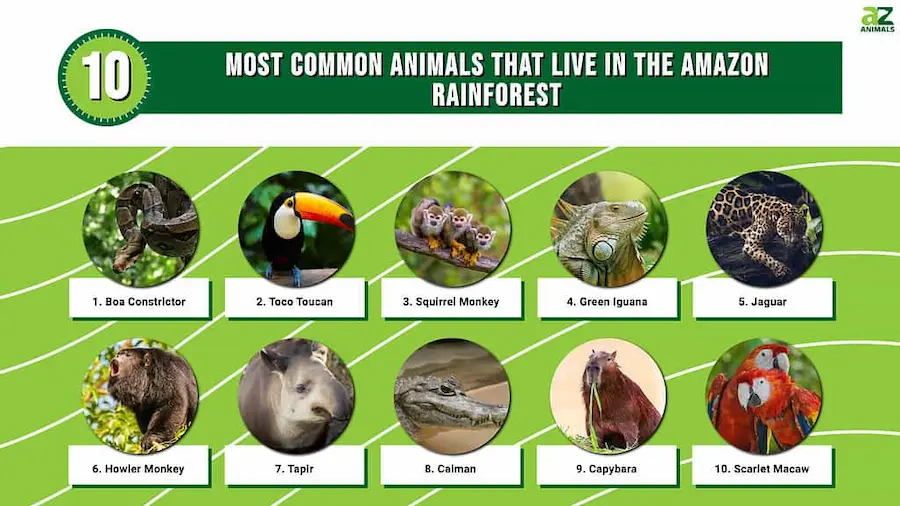
Top 10 Animals of the Amazon Rainforests You Should Know
The Amazon is home to countless species, but some animals have become iconic symbols of this incredible ecosystem. These are some of the most remarkable creatures you may encounter during an Amazon rainforest adventure.
1. Jaguar: The Powerful Predator of the Amazon
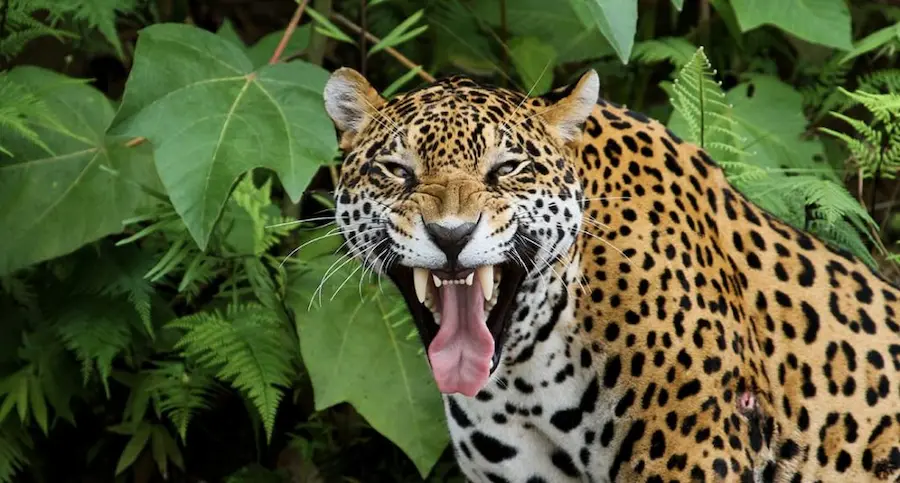
The jaguar is one of the most impressive animals of the Amazon rainforests and the largest feline in the Americas. Known for its strength, agility, and ability to move silently through the forest, it is one of the main predators of the ecosystem.
Although spotting a jaguar in the wild is rare, its presence represents the importance of protecting large areas of rainforest where these animals can survive.
2. Amazon River Dolphin: The Famous Pink Dolphin
The Amazon river dolphin, also known as the pink dolphin, is one of the most unique creatures found in South America’s rivers. Its color can vary from gray to pink depending on age and environmental conditions.
Beyond its fascinating appearance, this species has an important place in Amazonian culture and local traditions.
3. Giant River Otter: The Social Hunter of the Rivers
The giant river otter is one of the most interesting mammals in the Amazon rainforest. These animals live in family groups and spend much of their time hunting fish in rivers and lakes.
Their playful behavior and loud communication make them an exciting species to observe during wildlife excursions.
4. Harpy Eagle: One of the Largest Eagles in the World
The harpy eagle is one of the most powerful birds found in the Amazon rainforest. With its impressive size, strong claws, and excellent vision, it is an expert hunter that lives among the tallest trees.
Seeing a harpy eagle in its natural environment is a memorable experience for wildlife enthusiasts.
5. Three-Toed Sloth: The Slow-Moving Tree Resident
The three-toed sloth is one of the most recognizable animals of the Amazon rainforests. Its slow movements help it conserve energy and remain hidden among the vegetation.
Thanks to its natural camouflage, spotting a sloth during a jungle walk can become a special moment for visitors.
6. Capybara: The Largest Rodent on Earth
The capybara is the largest rodent in the world and can often be found near rivers, lakes, and wetlands throughout the Amazon.
These social animals are excellent swimmers and usually live in groups, making them easier to observe in their natural environment.
7. Green Anaconda: The Giant Snake of the Amazon
The green anaconda is one of the most famous reptiles of the Amazon rainforest. This powerful snake is adapted to aquatic environments and spends much of its time near rivers and wetlands.
Although often surrounded by myths, the anaconda is an important part of the rainforest ecosystem.
8. Poison Dart Frog: A Colorful Amazon Amphibian
Poison dart frogs are famous for their bright colors and small size. Their vibrant appearance serves as a natural warning to potential predators.
These tiny amphibians show the incredible diversity of life that exists even in the smallest areas of the rainforest.
9. Spider Monkey: The Agile Forest Acrobat
Spider monkeys are among the most agile primates in the Amazon. Their long arms and prehensile tails allow them to move quickly through the forest canopy.
They play an important role in the ecosystem by helping spread seeds throughout the rainforest.
10. Caiman: The Ancient Predator of Amazon Waters
Caimans are reptiles commonly found in Amazon rivers, lakes, and flooded areas. Their ancient appearance and hunting abilities make them one of the most fascinating animals in the region.
Night excursions often provide opportunities to observe these reptiles along the riverbanks.
You might also be interested in reading: Should you worry about rain in the amazon rainforest?
Where Can You See Animals of the Amazon Rainforests in Peru?
Peru is one of the best destinations in the world for wildlife observation thanks to its incredible biodiversity and the variety of ecosystems found throughout the country. From flooded forests and winding rivers to dense jungle trails, the Peruvian Amazon offers countless opportunities to discover unique species in their natural habitat.
Regions such as Madre de Dios, Manu National Park, and Tambopata National Reserve are among the most important destinations for observing Amazon rainforest animals. These protected areas preserve some of the richest ecosystems on Earth, where travelers can encounter mammals, birds, reptiles, and countless other species.
Exploring the Amazon with local guides allows visitors to better understand animal behavior, discover hidden areas of the rainforest, and enjoy responsible wildlife experiences through jungle walks, boat excursions, and observation activities.
1. Manu National Park: A Wildlife Paradise
Manu National Park is considered one of the most biodiverse places on Earth and one of the best destinations for wildlife enthusiasts visiting Peru. Located between the Andes and the Amazon lowlands, this protected area includes different ecosystems that create ideal conditions for thousands of species.
The park is home to iconic Amazon animals such as jaguars, giant otters, monkeys, colorful birds, and many other species that thrive in its untouched forests. Its remote location and conservation efforts make Manu an exceptional place to experience the Amazon in a more authentic way.
2. Tambopata National Reserve: A Destination for Amazon Wildlife Lovers
Located in the Madre de Dios region, Tambopata National Reserve is another exceptional place to observe the animals of the Amazon rainforests. Its rivers, forests, and clay licks create an environment where many species gather.
The reserve is especially famous for its incredible bird diversity, including colorful macaws and parrots, as well as mammals such as monkeys, peccaries, and giant river otters.
3. River Expeditions in the Amazon
The rivers of the Amazon are essential habitats for many species and provide a unique way to explore the rainforest. Boat journeys allow travelers to reach areas that are difficult to access by land while observing wildlife along the riverbanks.
During these excursions, visitors may encounter pink river dolphins, caimans, aquatic birds, monkeys, and other animals that depend on the waterways for survival.
4. Jungle Walks: Discover Hidden Animals in the Rainforest
Walking through the Amazon rainforest offers a completely different perspective of wildlife. Unlike river excursions, jungle trails allow visitors to explore the forest floor and discover smaller creatures, plants, and animals hidden among the vegetation.
Guided walks are led by local experts who know how to identify animal tracks, sounds, and movements that are often difficult for visitors to notice.
You might also be interested in reading: Top 10 typical foods of Peru you must try!
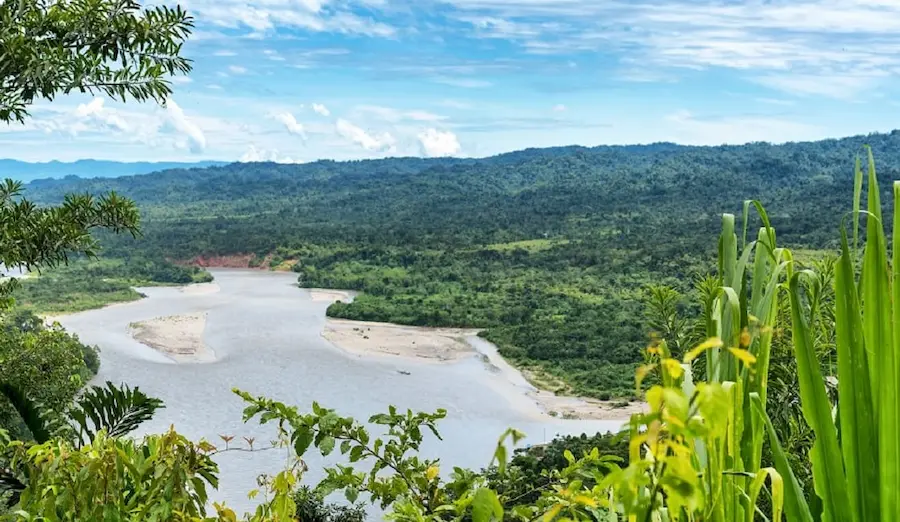
Best Time to See Animals of the Amazon Rainforests
Wildlife observation in the Amazon depends on different factors, including weather conditions, location, river levels, and animal behavior. Unlike traditional destinations where there is only one ideal season, the Amazon offers unique experiences throughout the year, with each period revealing different aspects of its incredible biodiversity.
The animals of the Amazon rainforests remain active during every season, but the conditions of the jungle can influence how visitors explore the environment and which species they are more likely to encounter.
Whether you prefer longer jungle walks, river explorations, birdwatching, or searching for mammals in their natural habitat, each season offers a different way to experience the Peruvian Amazon.
Dry Season: Better Conditions for Jungle Exploration
During the drier months, rainforest trails are usually easier to access, allowing visitors to enjoy longer walks and explore deeper areas of the jungle. Lower rainfall can make some paths more comfortable for hiking and increase opportunities to observe animals along the forest floor.
This season is especially attractive for travelers who want to combine different activities, including trekking, wildlife observation, and photography.
2. Rainy Season: A Different Amazon Experience
The rainy season transforms the Amazon rainforest into a vibrant and dynamic ecosystem. Increased rainfall raises river levels, creating new waterways that allow boats to reach deeper areas of the flooded forest.
Although some trails may become more challenging, this period offers unique opportunities to observe aquatic environments and experience the rainforest at its most lush and green.
3. Wildlife Encounters Throughout the Year
Although some species may be easier to spot during certain periods, the Amazon remains active with wildlife all year round. The rainforest is constantly changing, and every visit offers the possibility of discovering something unexpected.
From colorful birds flying above the canopy to mammals moving through the forest and reptiles near rivers, each season provides different opportunities for observation.

[…] You might also be interested in reading: Top 10 Animals of the Amazon Rainforests You Should Know […]
[…] You might be interested in reading: Top 10 Animals of the Amazon Rainforests You Should Know […]