


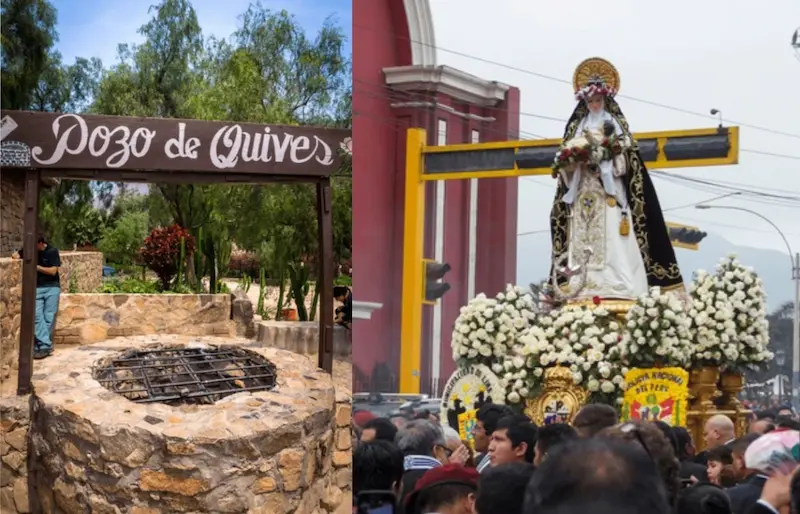
Saint Rose of Lima is one of the most recognizable religious figures in Peru, remembered not only for her devotion but also for the lasting place she holds in the country’s history, traditions, and cultural identity. Born in Lima in 1586, during the colonial period, she grew up in a society deeply influenced by Catholicism and became known for her deeply spiritual life, acts of charity, and commitment to helping people in need. Her story gradually spread beyond the city, turning her into a figure of devotion throughout Peru and other parts of the Americas.
Centuries later, her legacy remains closely connected to everyday Peruvian culture. Her name can be found in churches, schools, neighborhoods, public spaces, and religious celebrations, particularly in Lima, where many places are associated with her life. Her annual feast day on August 30 also brings together thousands of devotees who continue traditions that have been passed down for generations.
For travelers interested in understanding Peru beyond its archaeological sites and landscapes, learning about Saint Rose offers a different perspective on the country’s history. Her story provides a glimpse into colonial Lima, the development of religious traditions, and the ways historical figures can continue to influence local culture long after their lifetime.
You might also be interested in reading: Top 10 Animals of the Amazon Rainforests You Should Know
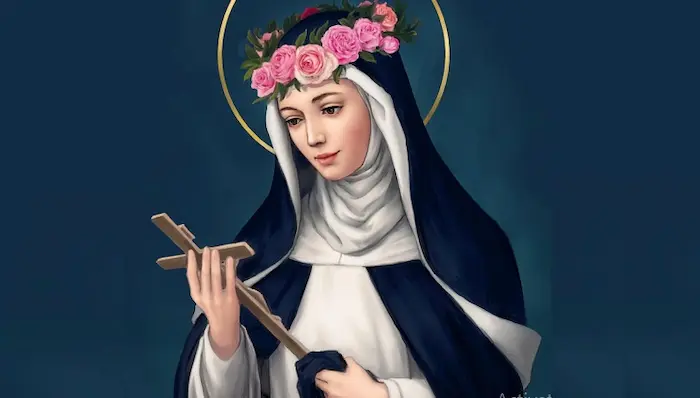
Who Was Saint Rose of Lima?
Saint Rose of Lima was born Isabel Flores de Oliva in Lima in 1586, when the city was an important center of the Spanish colonial world in South America. From a young age, she developed a strong religious devotion and eventually became a member of the Dominican Third Order.
Her life was marked by prayer, charity, and a desire to help people around her. Although she lived a relatively secluded life, her reputation for compassion and devotion spread throughout Lima.
1. Born in colonial Lima
Rose grew up in a Lima that was deeply shaped by Spanish colonial society and Catholic traditions. The city was becoming an important religious center, with churches, convents, and religious communities playing a major role in everyday life.
2. Her birth name was Isabel
One interesting detail about her story is that she was not originally called Rose. She was baptized Isabel Flores de Oliva, but her mother later began calling her Rose because of her exceptional beauty.
The name eventually became inseparable from her identity and is how she is remembered around the world today.
3. She joined the Dominican Third Order
Rather than entering a convent, Rose became part of the Dominican Third Order. This allowed her to maintain a life of religious devotion while remaining within her family home.
Her decision reflected the way some religious women in colonial Lima sought to dedicate their lives to faith and service without entering a traditional convent.
How Is Saint Rose of Lima Celebrated?
Saint Rose is remembered through religious traditions, especially in Lima, where her feast day takes place every year on August 30. The celebration brings together religious devotion, local customs, and the history of the city. For many Peruvians, it is not simply a religious date but an opportunity to honor a figure who has remained deeply connected to Lima for centuries.
For visitors, it can be an interesting opportunity to see how a centuries-old tradition continues to be part of modern Peruvian life. Religious ceremonies, visits to places associated with her life, and personal acts of devotion create a very different atmosphere from an ordinary day in the city.
You might also be interested in reading: Is the Amazon in Peru? Maps, Facts & How to Visit
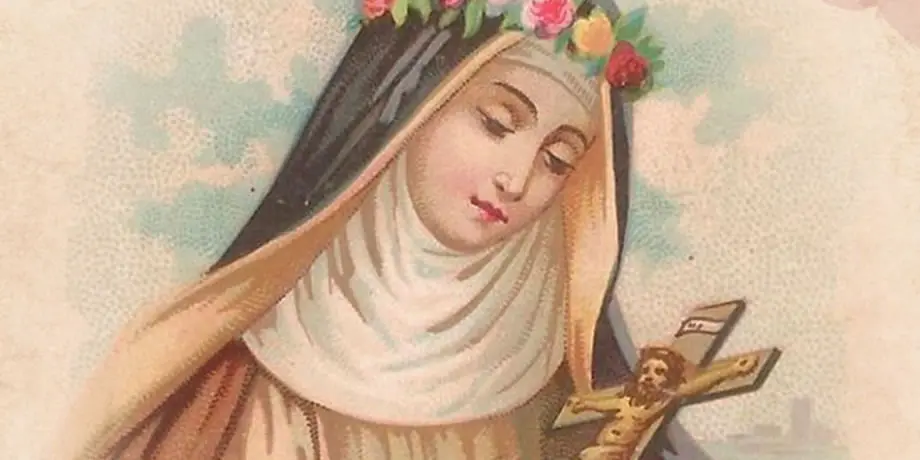
Why Is Saint Rose of Lima Important to Peru?
Saint Rose became an important figure in Peruvian religious history because of the way her life connected spirituality, charity, and service. Her reputation grew beyond Lima during and after her lifetime, eventually making her one of the most influential Catholic figures associated with the Americas.
Her legacy is still visible today in religious celebrations, historic sites, and traditions connected to her life. For Peru, her story also represents an important part of the country’s colonial heritage and the development of Catholic traditions that remain present in Peruvian society.
1. She was the first person from the Americas to be canonized
Rose was canonized by Pope Clement X in 1671, becoming the first person born in the Americas to be officially recognized as a saint by the Catholic Church.
This gave her significance far beyond Peru and established her as an important religious figure throughout Latin America. Her canonization also helped spread devotion to her across different countries and communities.
2. She became a patron saint of the Americas and the Philippines
Saint Rose is associated not only with Peru but also with a much wider part of the Catholic world. She is recognized as a patron saint of the Americas, the Philippines, and several other communities and professions.
Her devotion therefore spread across national and cultural boundaries, making her story part of a much broader religious tradition.
3. Her image became part of Peruvian identity
Over time, Saint Rose became more than a historical religious figure. Her image became closely connected with Peruvian identity, particularly in Lima, where places associated with her life remain important destinations for religious visitors and travelers interested in colonial history.
Her presence can still be seen in churches, public spaces, schools, and annual celebrations, showing how her legacy has remained part of Peruvian culture for centuries.
4. Her feast day remains an important Peruvian tradition
Every year on August 30, Peru celebrates the feast of Saint Rose of Lima. The date brings together religious ceremonies, visits to sites connected with her life, and long-standing traditions maintained by devotees.
For many Peruvians, the celebration is not simply a historical commemoration. It is an opportunity to maintain a tradition that connects present-day communities with an important part of the country’s past.
5. Her legacy connects colonial history with modern Peru
Saint Rose offers a unique window into Lima during the colonial period and the religious environment in which she lived. At the same time, the traditions surrounding her continue to be practiced today.
This connection between the past and present is one of the reasons her story remains relevant to visitors interested in understanding Peru’s cultural and historical heritage.
You might also be interested in reading: Holiday Destinations to Discover the Best of Peru
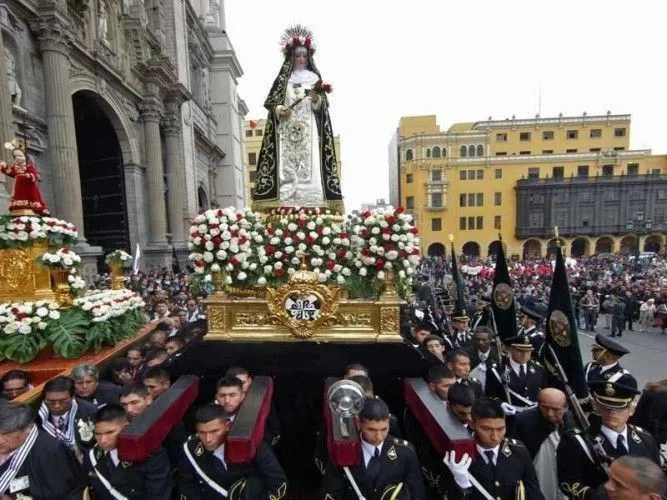
What Traditions Are Associated With Saint Rose of Lima?
Beyond her feast day, several traditions have developed around Saint Rose and the places connected with her life. These customs have helped keep her story present across generations and continue to give her legacy a personal meaning for many Peruvians.
The traditions are especially visible around August 30, when devotees gather to honor her, attend religious celebrations, and visit locations associated with her life. For travelers, these customs offer an interesting glimpse into how historical and religious traditions continue to be part of everyday cultural life in Lima.
1. Leaving letters at her well
The tradition of writing petitions and placing them at the well associated with Saint Rose is one of the most recognizable customs connected with her story. Devotees write personal requests, prayers, and messages before leaving them at the historic site.
What makes this tradition particularly interesting is its personal nature. Rather than simply observing a monument, visitors can see how people continue to create their own connection with Saint Rose through a practice that has been maintained for generations.
2. Visiting places connected with her life
Devotees and travelers can visit historic locations associated with Rose, creating a direct connection between her story and Lima’s heritage. These places help visitors understand where she lived, prayed, and carried out many of the activities that later became part of her legacy.
Exploring these sites can also provide a broader perspective on colonial Lima, as Saint Rose’s story is closely connected with the city’s religious and social environment during the 16th and 17th centuries.
3. Celebrating her feast day in August
August 30 is the main date associated with Saint Rose of Lima in Peru. Her feast day brings religious activities and public expressions of devotion, particularly in Lima, where her connection with the city remains especially strong.
For many Peruvians, the celebration is an opportunity to honor her memory and continue traditions passed down within families and communities. For travelers visiting Lima around this time, it can also be an opportunity to experience an important part of Peru’s living cultural heritage.
4. Bringing petitions and prayers
Personal petitions are an important part of the traditions surrounding Saint Rose. Devotees may write down their wishes or prayers as a way of expressing their hopes and concerns.
These personal messages help explain why her legacy has remained so meaningful over time: her story is not remembered only through historical accounts, but also through the individual experiences of people who continue to seek her intercession.
5. Passing traditions from one generation to another
Many of the customs associated with Saint Rose have survived because they continue to be practiced by Peruvian families and religious communities. Children and younger generations are introduced to her story through celebrations, visits to associated sites, and family traditions.
This continuity helps preserve Saint Rose’s place within Peruvian culture while connecting Lima’s colonial history with the traditions of the present day.
Frequently Asked Questions About Saint Rose of Lima
When is Saint Rose of Lima Feast Day?
Saint Rose of Lima Feast Day is celebrated every year on August 30. The date is marked by religious activities and traditions, particularly in Lima, where she was born and lived.
Where was Saint Rose of Lima born?
Saint Rose of Lima was born in Lima, Peru, in 1586, during the colonial period. Her life remained closely connected to the city throughout her lifetime.
What was Saint Rose of Lima’s real name?
Her birth name was Isabel Flores de Oliva. She became known as Rose after her family began using the name because of her beauty.
Why is Saint Rose of Lima famous?
She is remembered for her religious devotion, charitable work, and dedication to helping people in need. She was also the first person born in the Americas to be canonized by the Catholic Church.
What is Saint Rose of Lima the patron saint of?
Saint Rose is recognized as a patron saint of Peru, the Americas, and the Philippines, among other communities and groups.
Can you visit places connected to Saint Rose of Lima?
Yes. Visitors to Lima can explore several historic and religious sites associated with her life, including her sanctuary and the famous well where devotees traditionally leave letters and prayers.
What happens at Saint Rose of Lima Feast Day?
The celebration includes religious ceremonies, visits to sites associated with Saint Rose, prayers, and other expressions of devotion. The atmosphere is particularly active around August 30 as devotees gather to honor her.
Why do people leave letters at Saint Rose of Lima’s well?
Leaving letters and petitions at the well is a long-standing tradition associated with Saint Rose. Devotees write personal prayers, requests, or wishes and leave them at the site as an expression of their faith.
Is Saint Rose of Lima important to Peruvian culture?
Yes. Her legacy remains visible in Peru through religious celebrations, historic sites, public spaces, and traditions that have continued across generations. Her story also forms an important part of Lima’s colonial and religious heritage.


[…] You might also be interested in reading: Saint Rose of Lima and Her Legacy in Peru […]
[…] You might be interested in reading: Saint Rose of Lima and Her Legacy in Peru […]