People often use rainforests and jungles interchangeably, but they represent distinct ecosystems. The difference between Rainforest and Jungle is key to understanding how each environment functions and supports diverse ecosystems. Understanding these differences can deepen your appreciation for these vital environments.
Rainforests are dense, tropical forests that receive significant rainfall year-round. You can find them in both tropical and temperate regions across the globe. In contrast, jungles typically refer to the dense undergrowth found at the edges of rainforests.
Rainforests are home to a variety of plants and animals adapted to constant moisture. They have multiple layers, from the forest floor to the canopy. Jungles, however, are more chaotic and grow in areas where sunlight reaches the ground more easily.

Although the terms rainforest and jungle are often used interchangeably, they describe different aspects of tropical environments. A rainforest is defined mainly by its climate and high levels of rainfall, while a jungle refers more specifically to areas with dense, tangled vegetation, particularly near the forest floor. Understanding this distinction helps explain why not every rainforest is a jungle, even though the two environments can overlap.
The key difference lies in what each term describes. A rainforest is a type of forest characterized by frequent and abundant rainfall, while a jungle describes an area where vegetation grows particularly thick and densely, making the ground difficult to move through.
Rainforests are identified primarily by their consistently high rainfall and humid conditions. These environments support a wide variety of trees, plants, fungi, insects, birds, and other wildlife. Tropical rainforests are especially rich in biodiversity and are found in regions close to the equator.
The word jungle is generally associated with dense vegetation, including shrubs, vines, grasses, and young trees. This thick growth is often found in areas where sunlight reaches the forest floor, allowing plants to grow rapidly and create a tangled understory.
A rainforest and a jungle are not mutually exclusive. Parts of a rainforest can have dense jungle-like vegetation, particularly where gaps in the canopy allow more sunlight to reach the ground. However, the entire rainforest does not necessarily have the dense understory commonly associated with a jungle.
Rainforests are some of the most diverse and vital ecosystems on Earth. These forests thrive in regions with high humidity and substantial rainfall. The world is home to two main types of rainforests: tropical and temperate.
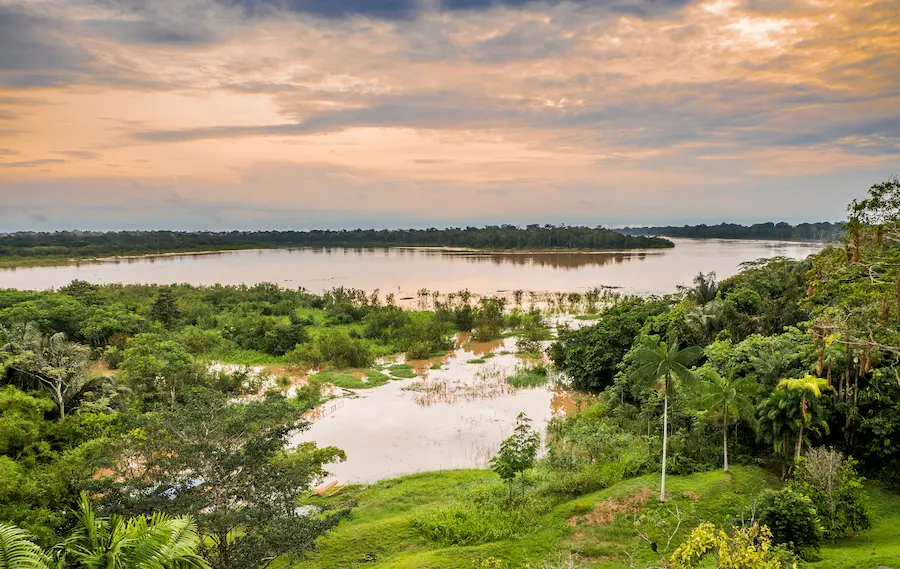
You can find tropical rainforests near the equator in places like the Amazon, Southeast Asia, and Central Africa. They experience consistent, year-round warmth and rainfall. The dense vegetation here supports a wide variety of plants like aquatic plants and animal life, making them biodiversity hotspots.
Temperate rainforests, on the other hand, grow in regions with cooler climates. These forests thrive along the coastlines of places like the Pacific Northwest in the United States. They receive ample rainfall but experience distinct seasons, with milder winters compared to tropical rainforests.

One key characteristic of rainforests is their layered structure. These layers include the forest floor, understory, canopy, and emergent layer. Each layer plays a role in supporting the various life forms that call the rainforest home.
The forest floor is dark and humid, with very little sunlight reaching the ground. Decomposing plants, insects, and microorganisms cover it and break down organic matter. The understory lies just above the forest floor, where small trees and shrubs thrive in low light.
Above the understory is the canopy, a dense layer of trees with broad leaves that capture most of the sunlight. This layer forms a thick, protective cover that provides food and shelter to countless species. The emergent layer consists of the tallest trees that rise above the canopy, often reaching heights of over 200 feet.
Rainforests also receive high rainfall, ranging from 60 to 160 inches annually. This constant precipitation allows the vegetation to grow rapidly and thrive. As a result, rainforests are incredibly lush, with trees and plants growing at incredible rates.
Rainforests contribute greatly to the planet’s oxygen production. They absorb carbon dioxide and release oxygen through photosynthesis. This makes them vital in combating climate change, as they help regulate atmospheric gases.
Another distinctive feature of rainforests is their incredible biodiversity. They are home to more than half of the world’s species, despite covering only about 6% of the planet’s land area. The tropical rainforest, in particular, has countless species of plants like the quina tree and other rare plants, animals like monkeys, jaguars, capybara, sloths , and insects that remain undiscovered.
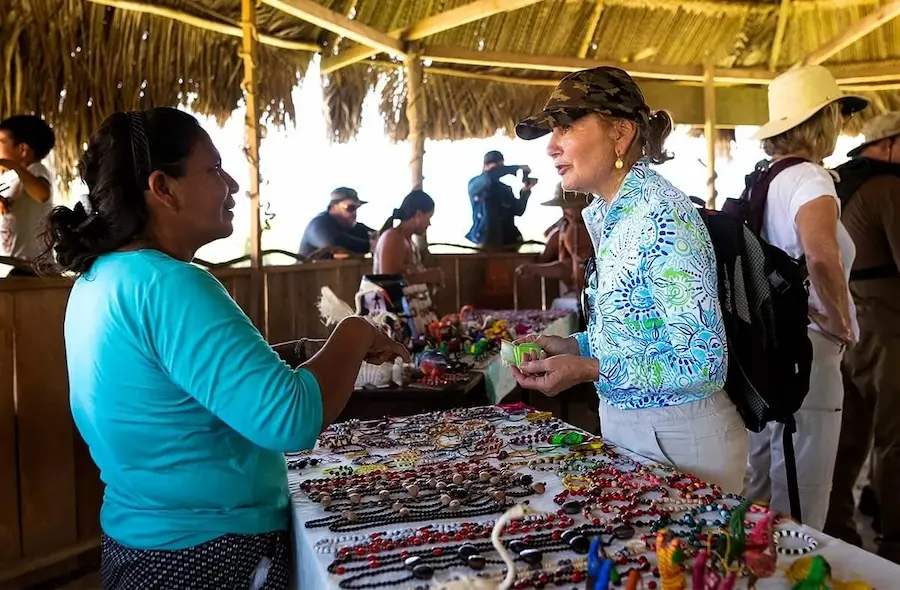
These ecosystems also provide essential resources for humans. Rainforests offer medicinal plants, fruits, and timber. They are crucial to indigenous communities who rely on these resources for survival.
The key difference between rainforest and jungle lies in their structure and location. Rainforests are dense, tall forests, while jungles are often chaotic, with more undergrowth. Understanding this difference can help you appreciate the complexity and beauty of these incredible ecosystems.
Rainforests play a critical role in maintaining the health of our planet. They help regulate weather patterns by absorbing and storing large amounts of water. Without rainforests, the Earth would experience more severe weather events and a loss of biodiversity.

People often confuse jungles with rainforests, but jungles represent a different type of ecosystem. Jungles feature dense vegetation close to the ground, unlike the towering trees and multiple layers of rainforests. The key difference between rainforest and jungle lies in this contrast in structure.
Jungles tend to grow in areas where the canopy of nearby rainforests has opened up. With more direct sunlight reaching the ground, plant growth becomes much denser. This allows for a thick, tangled understory full of shrubs, vines, and endemic tree species.
The understory of a jungle is where much of the action takes place. This layer of vegetation is rich with life, supporting numerous animals and insects. The thick foliage provides food, shelter, and protection for countless species, from reptiles to amphibians and insects.
What makes jungles unique is how they develop in areas of disturbed rainforest. When a tree falls or people clear an area, sunlight floods the ground. This causes rapid plant growth, leading to the creation of dense jungles, often on the edges of rainforests.
Rainforests and jungles play an essential role in maintaining healthy ecosystems and supporting life on Earth. Although they differ in structure and vegetation, both environments provide habitats for wildlife, help regulate natural processes, and contribute to the balance of local and global ecosystems. Their protection is therefore important for preserving biodiversity and maintaining the environmental services that forests provide.
Rainforests absorb and store large amounts of carbon dioxide through their vegetation, while their water cycles influence humidity, rainfall, and local climate conditions. Their extensive tree cover also helps regulate temperatures and contributes to broader climate stability.
Tropical rainforests are among the most biologically diverse ecosystems on the planet. Their different forest layers provide food, shelter, and breeding areas for countless species, from insects and amphibians to birds, mammals, and reptiles.
The dense vegetation found in jungles creates shelter and feeding areas for many species. Thick shrubs, vines, grasses, and young trees form a complex environment where animals can find food, protection, and suitable places to reproduce.
Vegetation helps protect the soil from erosion and contributes to the movement and retention of water within ecosystems. Tree roots stabilize the ground, while plant cover reduces the direct impact of heavy rainfall on exposed soil.
Jungles are often known for their chaotic and untamed nature. Plants, vines, and small trees grow quickly and densely, covering the ground. This intense growth creates a jungle environment that is difficult to navigate and explore.
Unlike the rainforests where towering trees dominate, jungles can have smaller trees mixed with thick underbrush. Sunlight can reach the ground, allowing for the rapid spread of vines, shrubs, and ferns. As a result, the dense greenery forms a maze-like environment filled with plant and animal life.
One of the main differences between rainforest and jungle lies in the light conditions. Tall trees shade rainforests, while jungles receive more direct sunlight. This enables more plant growth, making jungles appear thick, wild, and often impenetrable.
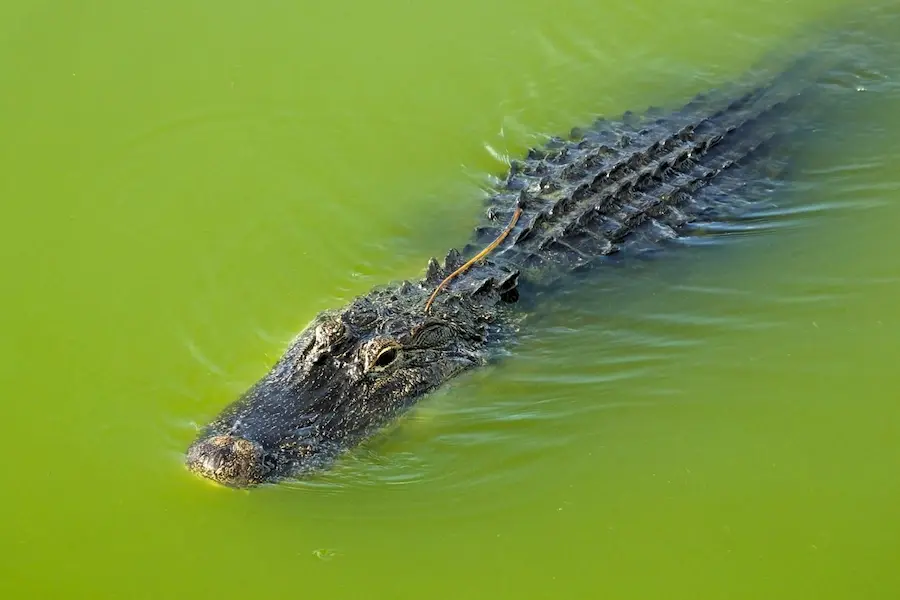
Jungles are home to a variety of unique plant species that thrive in this dense environment. Vines, such as lianas, twist around trees, while shrubs cover the forest floor. The vibrant plant life supports a wide range of animal species, including monkeys, birds like macaws, toucan, hummingbirds and various insects and reptiles like caimans and snakes .
The heat and humidity in jungles are higher than in other environments, promoting rapid growth. These conditions are ideal for the rich diversity of plants and animals that live there. In fact, jungles have one of the highest concentrations of biodiversity on the planet.

Jungles play an important role in maintaining the balance of ecosystems. The dense vegetation helps stabilize the soil and prevent erosion. Their rapid plant growth also helps regulate the local climate by absorbing carbon dioxide and producing oxygen.
Jungles, like rainforests, are vital for many species, especially those that rely on thick plants for food and shelter. They provide a refuge for both large and small animals alike. The complexity of the jungle ecosystem also contributes to the food web, ensuring the survival of various species.
People often ignore the difference between rainforest and jungle, but it’s important to understand how each ecosystem works. While rainforests are lush and multi-layered, Manu jungles thrive where sunlight reaches the forest floor more easily. Understanding this distinction allows us to appreciate the importance of both in maintaining biodiversity.
Jungles are at risk due to human activities like deforestation and agriculture. The dense vegetation and biodiversity they support make them vital to the environment. It is important to protect jungles from destruction to maintain ecosystem balance and preserve wildlife habitats.