
Manu national park vs Tambopata is a topic of keen interest for travelers exploring the Peruvian Amazon tours. Both destinations offer unique experiences, yet they vary in several ways. Understanding these differences can shape your Amazonian journey.
Manu National Park remains relatively untouched, offering a more pristine wilderness experience. In contrast, Tambopata, while still rich in biodiversity, has seen more visitor traffic and development. This article delves into the distinct features of each, helping travelers make an informed choice.
You might be interested in reading: Saint Rose of Lima and Her Legacy in Peru

Manu National Park and Tambopata are two of the most important destinations for exploring the Peruvian Amazon. Although both offer extraordinary biodiversity and opportunities to observe wildlife, the experience can be quite different depending on the destination. Factors such as location, accessibility, wildlife, landscapes, and the level of tourism can influence which one is more suitable for each traveler.
Manu National Park covers a vast area extending from the Andes to the lowland Amazon, which makes reaching some areas of the park a longer and more remote journey. Tambopata, located near Puerto Maldonado, is generally more accessible, with many rainforest experiences requiring less travel time once visitors arrive in the region.
Both destinations are known for their impressive biodiversity, but their ecosystems and wildlife experiences vary. Manu’s combination of different elevations and habitats supports an exceptionally diverse range of species, while Tambopata is particularly recognized for its rainforest wildlife, including macaws, parrots, monkeys, and river ecosystems.
Manu offers a remarkable transition between Andean environments, cloud forests, and lowland rainforest, creating a wide variety of landscapes within the same protected area. Tambopata is more focused on lowland Amazon rainforest, with rivers, oxbow lakes, dense vegetation, and clay licks forming important parts of its natural environment.
One of the clearest differences is the overall feeling of the journey. Some areas of Manu provide a more remote experience with fewer visitors and longer journeys through the rainforest. Tambopata has a more developed tourism infrastructure, making it easier for travelers to access lodges, trails, and wildlife observation sites.
The activities available in both destinations are centered around nature and wildlife, but the setting changes the experience. In Manu, travelers can combine different rainforest environments and explore areas that feel particularly isolated. In Tambopata, visitors can more easily access activities such as wildlife watching, river excursions, jungle walks, and visits to famous clay licks.
You might be interested in reading: Top 10 Animals of the Amazon Rainforests You Should Know

Manu National Park and Tambopata are both recognized for their exceptional biodiversity, but each destination offers different opportunities to experience Amazonian wildlife. Their distinct ecosystems, habitats, and levels of accessibility influence the species travelers may encounter and the way wildlife observation takes place.
Manu National Park protects a vast range of ecosystems, from Andean areas and cloud forests to lowland rainforest. This variety of habitats supports an impressive diversity of mammals, birds, reptiles, amphibians, and insects. Travelers may encounter species such as monkeys, giant otters, macaws, parrots, peccaries, and, with luck, elusive predators such as jaguars.
The combination of extensive protected areas and relatively remote environments makes wildlife observation in Manu particularly appealing to travelers interested in exploring less-disturbed rainforest.
Tambopata is also home to an extraordinary variety of Amazonian species. Its lowland rainforest, rivers, oxbow lakes, and clay licks create important habitats for birds and mammals. Macaws and parrots are among the most notable species, while monkeys, caimans, giant river otters, and numerous insects can also be observed in different areas.
Its accessibility and established tourism infrastructure make Tambopata a popular destination for travelers who want several opportunities for wildlife observation during a shorter Amazon adventure.
The main difference is not simply the number of species found in each destination, but how travelers experience the biodiversity. Manu stands out for its extensive range of ecosystems and remote rainforest environments, while Tambopata offers easier access to concentrated wildlife experiences such as clay licks, river excursions, and guided jungle walks.
Tambopata offers us a greater facility to know the Amazon rainforest since it has developed in a better way for tourism. There are hostels to stay in the place, which is home to macaws and a large family of river wolves. It also has an observatory tower for a panoramic view of the immense landscape.
In the Manu one of the main attractions of the Park are the collpas, habitat of flocks of guacayamos, as well as other species of fauna, that come in search of food. Inside the Park there is a metal tower 18 meters high and a raised path with platform that facilitates the best bird watching and the immensity of the forest from the treetops.
For a spectacular view, we recommend to reach the Tres Cruces viewpoint and appreciate the sunrise, as well as two opposite landscapes: the Andean mountain range and the cloud forest.
For explorers and nature lovers, visiting Manu is the greatest experience as they can see it in all its splendor and enjoy the wildlife in this reserve. “Civilization” has barely touched this area, making our visit a true adventure where significant courage and freedom are required.
Unlike Manu, business and a large influx of visitors have affected Tambopata Amazon Peru, making it much harder to see a variety of wild animals.

The Manu National Park Amazon Reserve is the largest and one of the protected reserves in Peru. And so it’s a bit harder to get there. The most common route leaves from the city of Cusco passing through Paucartambo and down to the tropical jungle to reach the limit with the reserve and then take a boat that will take us to the most interesting part of the reserve and live a true experience in the jungle amazonian
To get to the Tambopata National Reserve from the city of Cusco, you can take a regular flight of approximately half an hour, or by road (approximately 12 hours by bus). From the airport, a journey of about three hours by bus and boat leads to the heart of this protected natural area.
Unlike Manu in Tambopata we can reach the tropical zone and the virgin forest much faster which makes the cost of our trip less.
In Manu, the trips can cost up to 3 times more than a walk in Tambopata, and the small number of shelters makes the demand is mostly for small groups making the prices much higher.
Between Manu National Park vs Tambopata, we recommend Tambopata for people who have a tight itinerary but who wish to visit the Peruvian jungle, they will be able to find trips lasting 3-4 days. The fastest way is to take a walk from the city of Puerto Maldonado to Lake Sandoval, one of the most requested walks for the great variety of wildlife that we can appreciate in a short time.
If you want to take a walk in the reserve of Manu and know the most original part of it, we recommend you to have at least 9 days. There are trips that last a shorter amount of days but you spend more time traveling to the reserve than knowing the wonderful places you can offer us. However there are longer trips in which we will be able to enjoy the Manu in all its splendor living an incredible and real experience in the jungle.
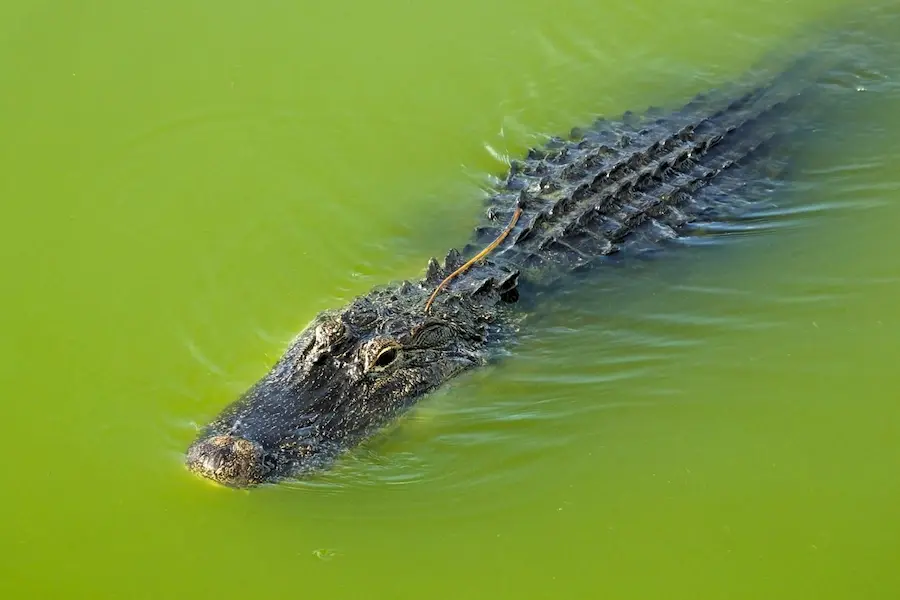
Whether you choose Manu National Park or Tambopata, the Amazon rainforest offers you a great variety of flora and fauna species. In both reserves there are visits by boat, night walks and canopy circuits that are the best option for the observation of monkeys, birds, giant otters, alligators (the black alligator), capybaras and the Hoatzin in their natural habitat that are frequently seen although species such as toucans, pumas and jaguars are rarely seen by visitors

The landscapes of Manu National Park and Tambopata reveal two different sides of the Peruvian Amazon. Although both destinations are characterized by dense rainforest and remarkable biodiversity, their geography, waterways, and ecosystems create distinct environments for travelers to explore. Understanding these differences also helps explain why wildlife experiences can vary between the two destinations.
Manu National Park encompasses a remarkable range of landscapes, extending from the eastern slopes of the Andes into the lowland Amazon rainforest. This geographical variation creates different habitats within the same protected area, including cloud forests, mountain environments, and tropical lowland forests.
The lowland areas are characterized by dense vegetation, winding rivers, and extensive forest that provides shelter and food for countless species. The more remote nature of some areas also gives travelers a stronger sense of being immersed in an expansive, relatively undisturbed rainforest.
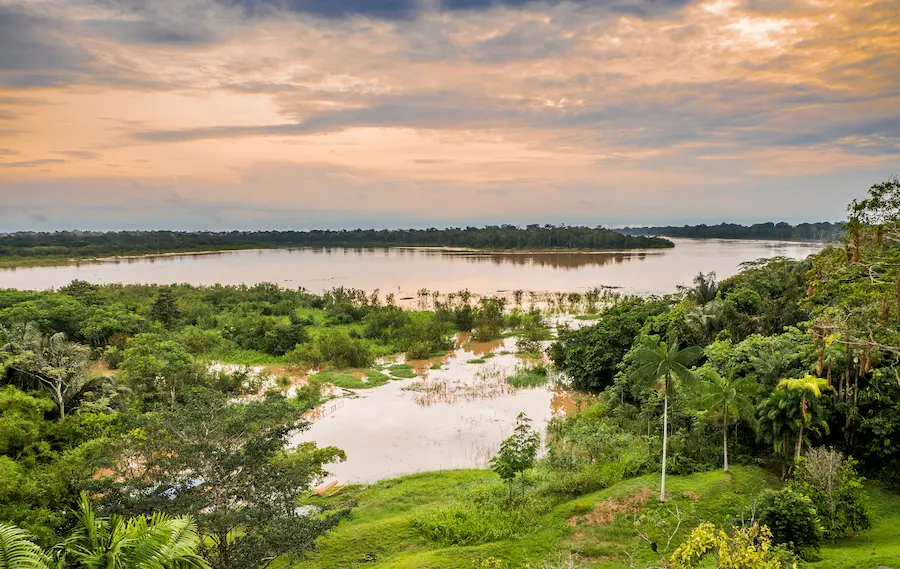
Tambopata is primarily characterized by lowland tropical rainforest, where rivers, creeks, lakes, and dense vegetation shape the landscape. The Tambopata River is an important part of the region, creating a natural corridor through the forest and supporting a wide variety of habitats.
The combination of waterways and forest makes the area particularly well suited to activities such as wildlife observation, jungle walks, and boat excursions. Its more accessible location also allows travelers to experience Amazonian landscapes without the same degree of remoteness found in some areas of Manu.
Rivers are essential to both destinations, influencing the distribution of wildlife and shaping the landscapes that travelers encounter. Along riverbanks, visitors may observe birds, monkeys, caimans, and other species that depend on these environments for food and shelter.
Forests, wetlands, oxbow lakes, and river ecosystems also create different habitats within the Amazon. These variations are one reason why exploring more than one type of environment can reveal very different sides of Amazonian biodiversity.
You might be interested in reading: Is the Amazon in Peru? Maps, Facts & How to Visit

Choosing between Manu National Park and Tambopata depends largely on the type of Amazon experience you are looking for. Both destinations offer exceptional biodiversity and opportunities to explore the rainforest, but they differ in accessibility, remoteness, and the way travelers experience the natural environment. Considering your available time, interests, and preferred pace can help you decide which destination suits your trip best.
Manu is a strong choice for travelers who want to venture deeper into the rainforest and experience a greater sense of remoteness. Its extensive protected areas and variety of ecosystems allow visitors to explore environments that range from cloud forests to lowland jungle.
The journey can require more time and planning, but this is also part of the experience. For travelers particularly interested in biodiversity, wildlife observation, and spending more time immersed in nature, Manu offers a distinctive Amazon adventure.
Tambopata is well suited to travelers who want to experience the Amazon with easier access and a more straightforward travel itinerary. Its location near Puerto Maldonado makes it possible to reach rainforest lodges and wildlife areas without the longer overland journey associated with some parts of Manu.
Visitors can enjoy activities such as jungle walks, river excursions, wildlife observation, and visits to clay licks, making Tambopata a practical option for travelers with limited time who still want a rich rainforest experience.
The right destination ultimately depends on what you want from your Amazon journey. Manu may be more suitable for travelers prioritizing remote environments, extensive biodiversity, and a deeper sense of wilderness. Tambopata can be a better fit for those who value accessibility, flexible itineraries, and concentrated wildlife experiences.
Manu National Park and Tambopata offer different ways to experience the Peruvian Amazon, so it is natural for travelers to have questions when deciding between them. These answers cover the main differences in accessibility, wildlife, travel time, and the type of rainforest experience each destination offers.
Manu National Park covers a much larger range of ecosystems, from Andean areas and cloud forests to lowland rainforest, while Tambopata is primarily known for its lowland Amazon environment. Manu generally offers a more remote experience, whereas Tambopata is easier to access and has well-established tourism infrastructure.
Both destinations are excellent for wildlife observation, but they offer different experiences. Manu is known for its exceptional biodiversity and variety of habitats, while Tambopata provides excellent opportunities to see species such as macaws, parrots, monkeys, caimans, and other rainforest wildlife in accessible areas.
Yes. Tambopata is generally easier to reach because Puerto Maldonado provides direct access to many rainforest lodges and activities. Reaching some areas of Manu can involve longer journeys by road and river, particularly when traveling deeper into the protected area.
The ideal length depends on how deeply you want to explore the region. A longer stay is generally more suitable for travelers who want to experience different ecosystems and spend more time exploring remote areas. Shorter itineraries are possible, but they offer a more limited experience.
A few days can provide a good introduction to Tambopata, particularly for travelers interested in wildlife observation and rainforest activities. A longer stay allows more time for jungle walks, river excursions, clay lick visits, and wildlife observation without having to rush between activities.