Tambopata National Reserve Tours in the Amazon Jungle

The alarm here is a howler monkey. Not an approximation of one through a speaker, the actual animal, somewhere in the canopy above the lodge roof, before the sun is fully up. That is the entry point for amazon jungle tours in Tambopata. Puerto Maldonado is the gateway city, a river port in southeastern Peru where paved roads stop and waterways take over. From there, everything moves by boat.

This region holds more bird species than the entire United States within a single protected reserve. Butterfly population records. Jaguar territory that still functions as it did before any human infrastructure existed nearby. The wildlife here operates on its own logic, not on visitor convenience. Wildlife tours peru that operate in this reserve access an ecosystem with rules that existed long before tourism did.

Most people arrive expecting chaos. Tangled vines, impenetrable walls of green, animals that stay permanently hidden. What they find instead is a biological system with structure. Predator and prey in specific relationships. Every species occupying a defined role. The forest is organized in ways that only become readable with a guide who knows how to interpret it.

amazon jungle tours

Navigating the Journey: How to Reach Puerto Maldonado from Cusco and Lima

The flight from Cusco or Lima to Puerto Maldonado takes 45 to 90 minutes. After landing, timing controls everything. Lodges run on strict river transport schedules. Miss the midday boat departure and the next one is tomorrow. That single logistical fact shapes the entire arrival day.

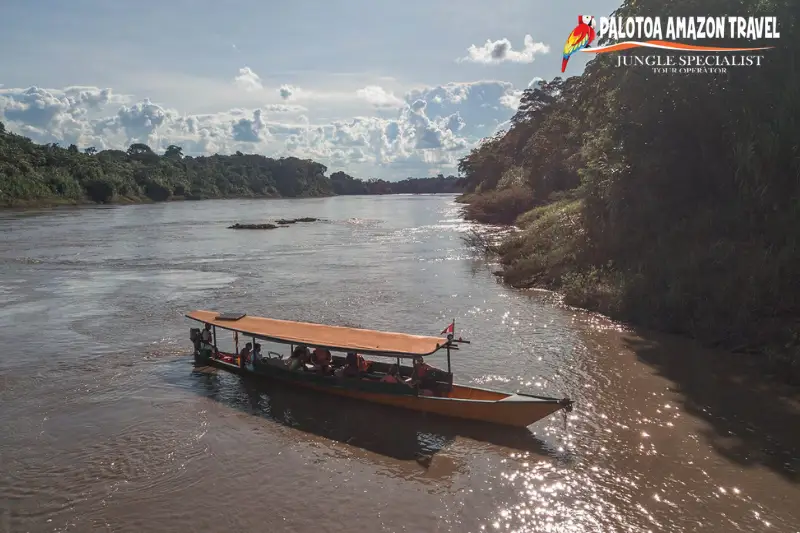
At the river port, luggage gets repacked. A duffel bag, 10 to 15 kilograms maximum, goes on the boat. Everything else stays locked in town storage. The boat itself is a peque-peque, a traditional wooden canoe with a motor named for the sound it makes. Open air, shallow draft, built for navigating river bends that larger vessels cannot handle.

Tours in tambopata follow a consistent arrival sequence:

  • Morning flight into Puerto Maldonado airport.
  • Transfer van to the river port.
  • Repack luggage, store what does not fit.
  • Board the peque-peque and travel one to three hours upriver.

The town disappears behind the first river bend. After that, the vegetation takes over on both sides and the trip becomes something else entirely.

The Living Room of the Jungle: Decoding Primary vs. Secondary Forest Ecosystems

The tree line changes as the boat moves upriver. Near settlements, the forest is dense at ground level, chaotic, full of regrown brush where sunlight reaches the floor. That is a secondary forest. Younger, less diverse, closer to human activity.

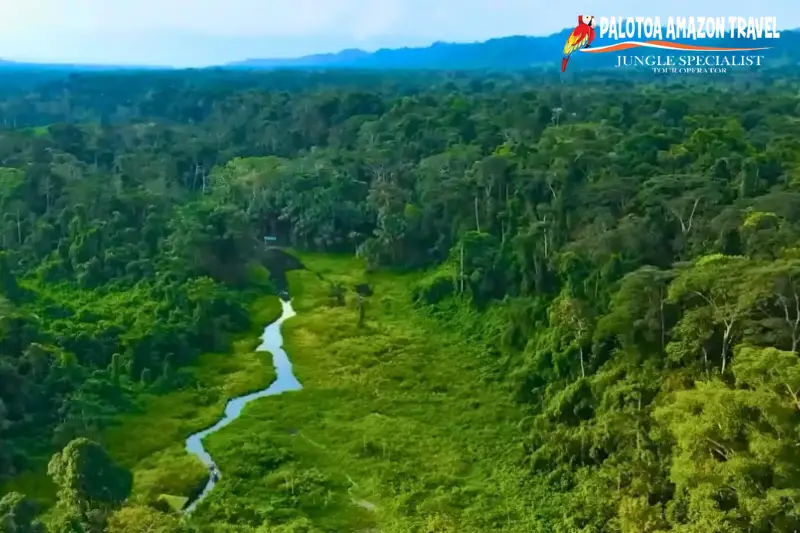
Further in, the character shifts. Massive trees spaced widely apart. The floor beneath them is open and navigable. Shade so complete that undergrowth cannot compete. This is primary forest, the environment where tambopata excursions produce the most consistent wildlife encounters. Old trees create the conditions that rare species require. The deeper the forest, the more intact those conditions are.

The vertical structure of primary forest divides into distinct layers. Ground level for jaguars and tapirs. Mid-level understory for monkeys and tree frogs. Upper canopy for eagles and macaws. Each layer functions as a separate ecosystem. Animals that live in one rarely move to another except under specific conditions.

Canopy walkway tours exist specifically because most of the forest activity happens above eye level. Suspended bridges above the understory put visitors at the same height as toucans and sloths that would be invisible from the ground. Bird watching from canopy level produces sightings unavailable from any ground trail. Amazon jungle tours that include walkway access consistently deliver results that ground-only itineraries cannot match.

amazon jungle tours

The Chuncho Macaw Clay Lick: Why 17 Species of Parrots Eat Dirt for Breakfast

The diet of Tambopata’s macaws and parrots includes unripe seeds from the forest canopy. Those seeds contain natural toxins. The birds neutralize those toxins by eating mineral-rich clay from exposed riverbanks. This behavior, geophagy, happens at specific sites called colpas. Hundreds of birds at once. Multiple species cycling through in a pattern that repeats every morning.

The parrot clay lick window is narrow. Peak activity runs from roughly 5:30 to 7:00 AM before heat builds and aerial predators become active. Pre-sunrise positioning is mandatory. Arriving late means watching the last birds scatter back into the canopy.

Species visible at the Chuncho and Colorado clay licks:

  • Scarlet Macaws: Red body, yellow wing band, bare white face.
  • Red-and-Green Macaws: Larger than Scarlets, deeper red, green wing band, fine red feather lines across the face.
  • Blue-and-Yellow Macaws: Sapphire blue on the back, bright yellow on the chest. Unmistakable from any distance.

The clay lick is one of the defining tambopata tours experiences and one of the few wildlife events in the Amazon that happens on a predictable daily schedule. Most other sightings depend on guide skill and timing. This one happens whether you are there or not. The task is simply being in position when it does.

Tracking the Wolves of the Water: Finding Giant Otters at Sandoval Lake

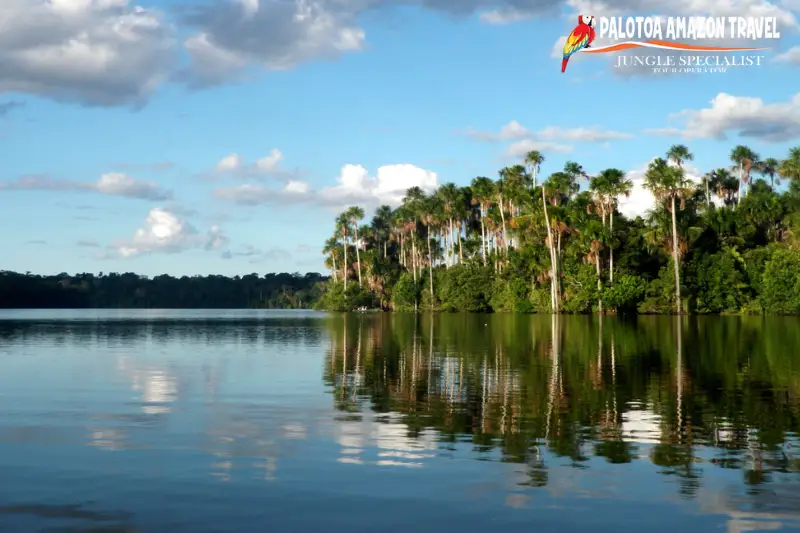
A visit oxbow lake excursion starts before the boat stops moving. These crescent-shaped lagoons form when rivers change course and cut off old bends. No current. Palm swamp forest dropping fruit into the water along the margins. Fish concentrating in the shallows. Every major predator in the surrounding reserve eventually comes here.

Giant river otters live in these lakes in family groups led by a dominant breeding pair. Up to six feet long. Territorial. Loud. They coordinate hunts using vocalizations, herding fish into shallows before striking. The behavior is more wolf pack than solitary predator, which is where the local name comes from.

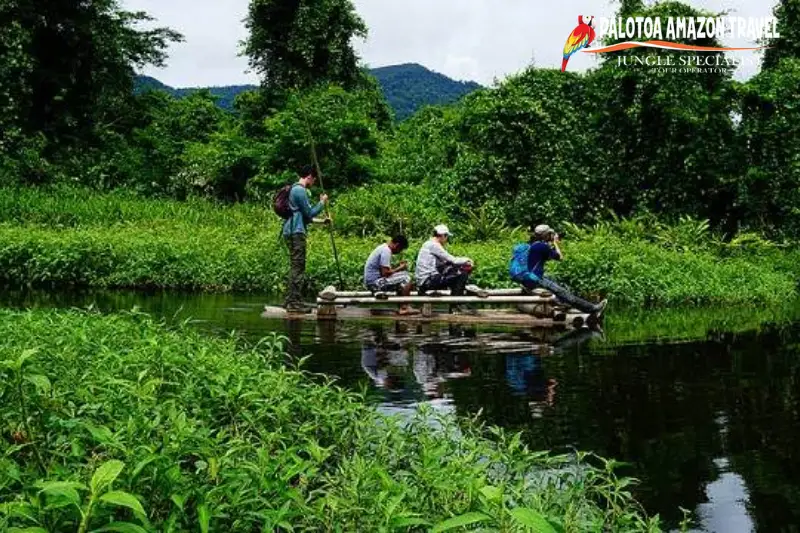
Getting close requires abandoning motors. Guides at Sandoval Lake use paddle-powered wooden catamarans and a specific rowing technique that avoids breaking the water surface. Any unusual sound or ripple pattern triggers defensive behavior and the family disappears into the shoreline vegetation. Amazon jungle tours that use motorized boats on oxbow lakes consistently produce shorter and lower quality encounters than paddle-based approaches.

Amazon caiman search on the same lakes happens primarily in the late afternoon. The armored snout breaks the surface, eyes just above the waterline, body invisible below. Black caimans reach sizes that surprise most visitors who have only seen smaller species elsewhere. Late afternoon catamaran time on the oxbow lake covers both otter and caiman in a single session.

amazon jungle tours

Night Safari Secrets: Spotting Caimans and Rare Insects After Sunset

The jungle night walk is a category separate from everything else on this itinerary. After dark the forest changes shifts. Daytime species rest. Nocturnal species take over the same territory. This pattern, nocturnal niche partitioning, reduces competition for food. Two different communities using the same habitat at different times.

Navigation at night relies on eyeshine. A light swept across riverbanks bounces off a reflective layer behind the animals’ eyes called the tapetum lucidum. Color identifies species. Ruby red in the water means caiman. Orange pinpricks in vegetation mean hunting spiders. Responsible guides use brief light exposure or red-filtered lenses to avoid affecting animal behavior.

Target species on a standard night checklist:

  • Black Caiman: River margins, up to fifteen feet, apex predator.
  • Tree Frogs: Damp overhanging foliage, often brightly colored.
  • Tarantulas: Stationary at burrow entrances, visible by eyeshine and body outline.
  • Night Monkeys: Canopy foragers, quieter than daytime species.

The night walk covers ground that daytime excursions cannot access. Different species, different behaviors, different type of guide skill required. It is not an extension of the daytime experience. It is a separate category entirely.

The Jungle Jaguar Search: What It Actually Takes

The jungle jaguar search is where expectations and reality diverge most often. Jaguars are not reliably visible anywhere in the Amazon. No itinerary guarantees a sighting. What changes between a productive search and a failed one is guide knowledge of specific travel corridors and current animal movement patterns.

River travel at dawn and dusk produces the highest probability of encounters. Jaguars move along riverbanks for the same reason otters and caimans do. Water concentrates prey. Open bank provides sight lines. Guides who run amazon jungle tours in Tambopata track individual animals using trail cameras and footprint patterns accumulated over years. That knowledge base is what separates a targeted search from random forest walking.

No outcome is guaranteed. That is the reality of searching for an apex predator in a functioning wild ecosystem, not a disclaimer. The river hours, the forest time, the guide communication, are what most people describe as the actual experience after returning.

amazon jungle tours

Choosing Your Base: Comparing Luxury Eco-Lodges vs. Budget Jungle Camps

Location relative to the reserve determines wildlife access. Budget lodges sit closer to Puerto Maldonado. Shorter boat ride but proximity to human activity means fewer encounters with rare or shy species. Luxury options require longer river travel but place guests directly adjacent to undisturbed habitat.

Tours in the reserved zone operate inside the core National Reserve boundary. This is where primary forest begins and where encounter probability with apex species is measurably higher. Tours in cultural zone cover the transitional buffer ring surrounding the core. Wildlife is present but human activity nearby affects animal behavior and distribution.

Practical evaluation criteria before booking:

  • Reserve proximity: Buffer zone or core reserve, confirmed in writing before payment.
  • Power supply: Generator schedules versus solar. Affects noise levels at night.
  • Guide certification: Verified local naturalist guides produce better wildlife sightings than generalist staff consistently.

The boat-to-bed ratio is the practical measure. Hours traveling upriver versus hours actively in the field. Calculate this number for any lodge before committing to it.

Tambopata vs. Manu National Park: Which Reserve Fits Your Travel Style?

Both regions hold exceptional biodiversity. The operational difference between them is significant and determines which one fits a specific trip.

Tambopata requires a domestic flight to Puerto Maldonado and a straightforward boat ride. Three to five days produces strong results. The main wildlife targets, macaws at the clay lick, giant otters at Sandoval Lake, canopy species on walkway tours, are accessible within that window without extreme logistics.

Manu national park requires multi-day overland transit descending from Cusco before any river travel begins. Seven or more days minimum for meaningful deep access. Infrastructure is more basic. Costs are higher due to transport complexity. Species volume in Manu is higher than Tambopata, but encounter probability per day of travel is lower because the territory is larger and less concentrated.

The practical comparison:

  • Tambopata: Flight plus boat, 3 to 5 days, comfortable lodges, concentrated wildlife access, lower total cost.
  • Manu national park: Overland plus river, 7 or more days, basic camps, higher species diversity, significantly higher cost and logistical complexity.

Tambopata for travelers with limited time and a specific target list. Manu for dedicated wildlife travelers willing to commit fully to an expedition format.

amazon jungle tours

Packing Like a Pro: Essential Gear and Malaria Prevention for the Deep Jungle

Ninety percent humidity changes what clothing works. Standard waterproof jackets trap sweat and create more discomfort than the rain they block. Moisture-wicking fabric, lightweight and loose, handles the environment better. Light colors attract fewer mosquitoes than dark fabrics. Long sleeves and trousers function as a physical barrier more reliable than repellent alone.

Non-negotiable gear list:

  • Moisture-wicking long sleeves and trousers.
  • High-DEET repellent or Picaridin alternative. Daily antimalarial prophylaxis confirmed with a travel doctor before departure.
  • 8×42 binoculars. Standard for jungle birding. Powerful enough for distant macaws, wide enough for moving targets in vegetation.
  • Dry bags for all electronics. Rain in the Amazon is sudden and heavy.
  • Headlamp with spare batteries. Required for jungle night walk navigation and lodge paths after dark.

Medical preparation before departure: yellow fever vaccination and antimalarial medication. Both confirmed with a travel doctor, not handled on arrival.

Planning Your Calendar: The Best Time of Year to Visit for Peak Wildlife Visibility

The Amazon runs on a flood-pulse cycle. January through March, rivers rise and push into the forest. Travel to remote lodges is faster but wildlife disperses widely across flooded territory. May through September, water levels drop. Fish concentrate in shrinking lagoons. Jaguars and giant otters follow the fish into visible, accessible locations.

The dry season window, May through September, is the strongest period for amazon jungle tours targeting large mammals and clay lick activity. Lower river levels expose more clay bank surface. Bird watching activity at the colpa peaks. Oxbow lake levels drop and concentrate the fish that otters hunt.

One exception in the dry season: Friajes. Cold fronts from Patagonia push north between June and August and can drop temperatures from 90 degrees Fahrenheit to 50 degrees overnight. A fleece layer in the bag handles this without taking up meaningful space.

Your 4-Day Tambopata Blueprint: An Ethical Itinerary for Conscious Travelers

Structure the days around the animals’ schedules, not visitor preference. The parrot clay lick happens at dawn regardless of when guests wake up. The otters feed on their own timing. The night shift starts at dusk. The itinerary that works is the one built around those fixed points.

Four-day structure:

  • Day 1: Morning flight to Puerto Maldonado, river transfer to lodge, jungle night walk after dark for first nocturnal encounters.
  • Day 2: Pre-dawn departure for parrot clay lick, morning at the colpa, afternoon nature hikes near the lodge perimeter.
  • Day 3: Paddle catamaran on oxbow lake for giant otters, amazon caiman search late afternoon, canopy tower before sunset.
  • Day 4: Jungle jaguar search by riverboat at dawn, final river return to Puerto Maldonado.

Wildlife tours Peru that follow this structure cover the primary target categories without wasted days. The clay lick on Day 2 and the oxbow lake on Day 3 are the two highest-probability wildlife events. Everything else builds around those two fixed points.

Ethical viewing practices on all tambopata excursions: no flash photography, no wildlife feeding, no deviation from guide instruction. The reserve functions because those rules hold. Visitors who follow them produce better sightings for themselves and leave the habitat intact for the next group.


This website uses cookies to improve your experience.