


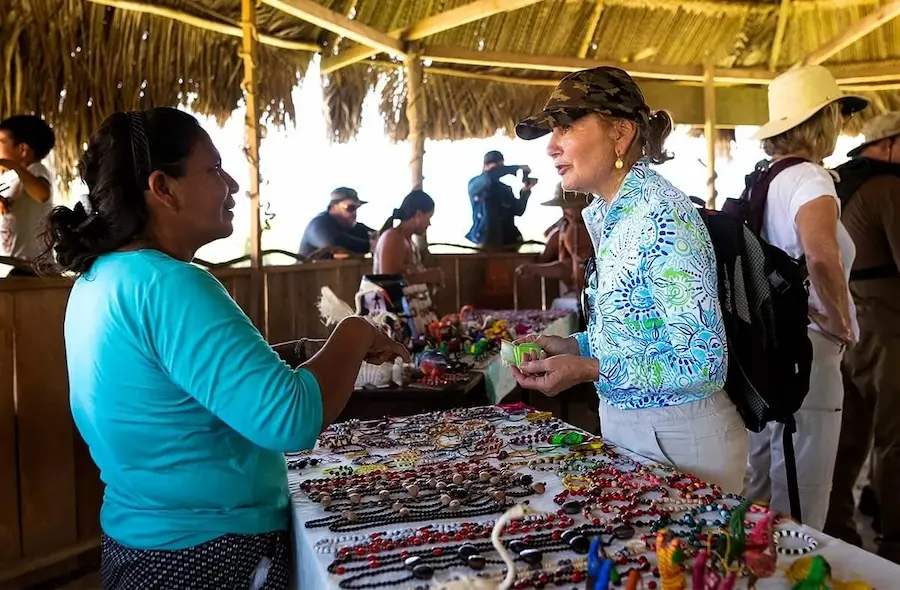
Amazon rainforest ecotourism is about more than exploring one of the world’s most extraordinary natural environments. It is also about understanding the relationship between the rainforest and the people who have lived alongside it for generations. From Indigenous communities that maintain deep cultural connections to the forest to local guides who share their knowledge with travelers, people play an essential role in how the Amazon is experienced, understood, and protected.
Stretching across nine South American countries and territories, the Amazon is home to an extraordinary diversity of wildlife, ecosystems, languages, and cultural traditions. Its rivers connect remote settlements, its forests provide food and traditional resources, and its landscapes hold generations of ecological knowledge. For many communities, the rainforest is not simply a destination or a protected natural area. It is their home, their history, and an important part of their identity.
As interest in nature-based travel continues to grow, ecotourism has become one way to connect visitors with these environments while creating opportunities for local communities. When responsibly planned, tourism can support employment, encourage conservation, strengthen local businesses, and provide travelers with a deeper understanding of the places they visit.
You might also be interested in reading: 10 Amazonian Myths That Bring the Jungle to Life
What Is Amazon Rainforest Ecotourism?
Ecotourism is a form of responsible travel focused on natural environments, environmental conservation, and the well-being of local communities. Unlike conventional tourism, which may prioritize sightseeing or recreation alone, ecotourism considers how visitors interact with ecosystems and how their presence affects the destination.
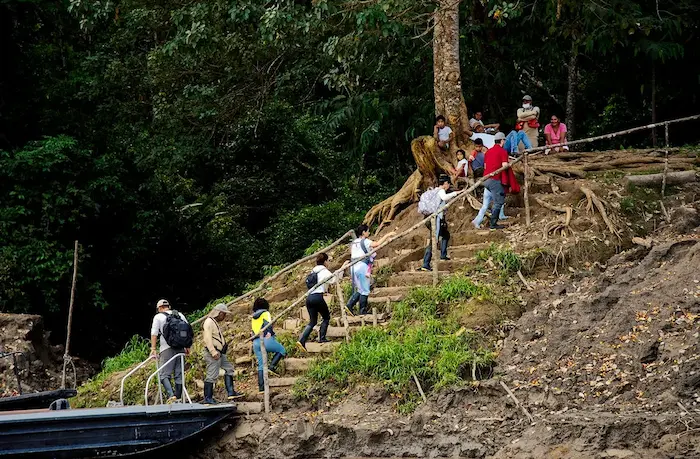
In the Amazon, this approach can include guided rainforest walks, wildlife observation, educational activities, stays in environmentally responsible lodges, and visits to community-led tourism initiatives.
The purpose is not simply to experience nature, but to do so in ways that respect the ecological and cultural characteristics of the region.
You might also be interested in reading: Could Jungle Trekking Be Your Next Adventure in Peru?
Why the Amazon Is an Important Ecotourism Destination
The Amazon rainforest contains an exceptional concentration of biodiversity, including thousands of plant species and an enormous variety of mammals, birds, amphibians, reptiles, and insects.
Its ecosystems range from seasonally flooded forests and wetlands to dense tropical forests and transitional environments influenced by the Andes.
These differences create opportunities for travelers to observe wildlife, understand ecological relationships, and experience landscapes that change significantly from one region to another.
1. Indigenous Knowledge and the Natural Environment
Traditional ecological knowledge includes observations and practices developed through long-term relationships with particular environments. In Amazonian communities, this knowledge may involve recognizing seasonal changes, understanding the behavior of animals, identifying useful plants, navigating rivers, and managing natural resources. Such knowledge is not uniform across the Amazon. Different communities have their own traditions, territories, languages, and systems of knowledge.
2. Rivers as the Center of Community Life
Rivers are among the most important features of Amazonian geography. In many areas, they serve as transportation routes connecting communities with markets, schools, healthcare services, and neighboring settlements. They also influence fishing, agriculture, trade, and everyday activities. Seasonal changes in water levels can affect how people travel, where they cultivate crops, and which parts of the forest are accessible.
3. Cultural Traditions and Community Identity
Amazonian cultures include diverse forms of storytelling, music, craftsmanship, food preparation, and community organization. Some traditions are connected to local ecosystems, while others reflect historical exchanges between communities and broader social changes. Traditional crafts, for example, may use locally available fibers, seeds, natural pigments, or other materials. Their techniques and meanings vary according to the people who produce them.
You might also be interested in reading: What Should Travelers Know About Amazonian Shamans?
How Ecotourism Can Support Local Communities
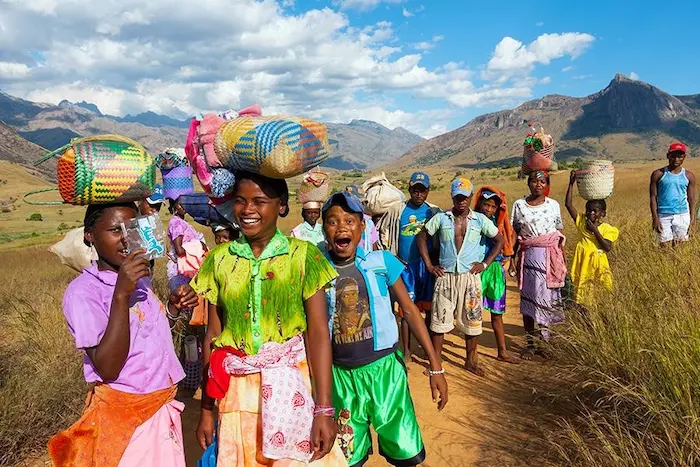
One of the central principles of Amazon rainforest ecotourism is that tourism should generate meaningful benefits for the people who live in or near the destinations being visited.
These benefits can take several forms, including employment, business opportunities, professional development, and support for locally managed conservation initiatives.
The actual impact depends on how tourism businesses operate and how revenue is distributed.
1. Creating Employment for Local Guides
Local guides are often among the most valuable contributors to rainforest tourism.
Their knowledge can help travelers recognize animal calls, identify tracks, understand seasonal changes, and interpret details that might otherwise go unnoticed.
A guide familiar with a particular forest may recognize the presence of wildlife through subtle movements in the vegetation or sounds coming from the canopy.
2. Supporting Local Businesses and Services
Tourism creates demand for services beyond guiding. Lodges and tour operators may work with local boat operators, drivers, food suppliers, cooks, maintenance workers, and artisans.
When businesses purchase goods and services locally, a greater portion of tourism spending can remain within the regional economy.
For example, a rainforest lodge that sources suitable produce from nearby communities may support local agricultural businesses while reducing the need to transport certain products over long distances.
3. Encouraging Community-Led Tourism
Community-led tourism allows local residents to take an active role in designing, managing, and benefiting from visitor experiences. This can include community-owned accommodation, guided cultural activities, traditional food experiences, or locally managed nature excursions.
Rather than simply being included in an itinerary developed elsewhere, communities have greater influence over how tourism operates.
4. Giving Standing Forests Economic Value
In some areas, nature-based tourism can provide an economic reason to maintain forest habitats. Healthy ecosystems attract travelers interested in observing birds, mammals, rivers, and distinctive landscapes. If local businesses and communities receive sustained benefits from these experiences, conservation can become more closely connected to economic opportunities.
You might also be interested in reading: The Most Fascinating Amazonian Food Traditions

Ecotourism Experiences in the Peruvian Amazon
Peru offers several rainforest destinations where travelers can combine nature observation with opportunities to learn about conservation and local communities.
The experiences differ according to geography, accessibility, ecosystems, and the way tourism activities are organized.
Two of the country’s best-known rainforest destinations are Manu and Tambopata.
1. Manu National Park and Its Surrounding Forests
Located in southeastern Peru, Manu National Park protects an extraordinary range of ecosystems extending from Andean environments into lowland tropical rainforest.
Its geographic diversity creates habitats for numerous species of birds, mammals, amphibians, and plants.
Travelers approaching Manu from Cusco pass through changing landscapes, including mountain environments and cloud forests before reaching lower-elevation rainforest areas.
2. Tambopata and Wildlife Conservation
Tambopata National Reserve is another important destination for nature-based tourism. Located in the Madre de Dios region, Tambopata is known for its tropical rainforest, river systems, lakes, and remarkable bird diversity.
Travelers may have opportunities to observe monkeys, macaws, caimans, and other wildlife, depending on the location, season, and natural conditions. The region is particularly associated with clay licks, where certain bird species gather to consume mineral-rich soil.
3. Rainforest Lodges and Local Experiences
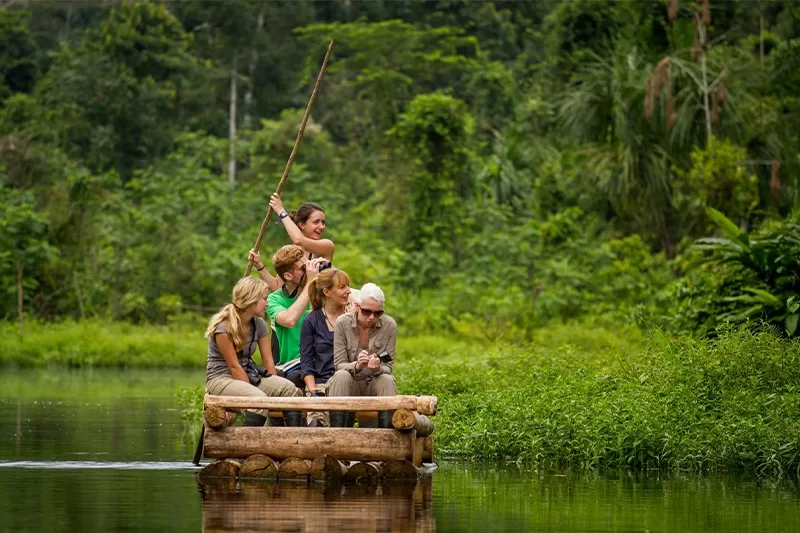
Staying at a rainforest lodge can provide opportunities to experience the Amazon beyond a short excursion. Depending on the location, activities may include guided forest walks, boat trips, wildlife observation, and educational discussions about local ecosystems.
Some lodges are operated by private businesses, while others involve community ownership or management. These differences matter because the way accommodation is operated can influence employment opportunities, local purchasing, conservation practices, and community participation.
The Challenges of Developing Responsible Tourism in the Amazon
Although ecotourism can provide meaningful benefits, it also presents challenges. Remote destinations often have limited infrastructure, sensitive ecosystems, and logistical difficulties that make tourism management more complex. Increasing visitor numbers without adequate planning can create environmental pressures and reduce the quality of experiences for both residents and travelers.
1. Preventing Environmental Damage From Tourism
Tourism activities can generate waste, disturb wildlife, increase fuel consumption, and place pressure on trails or waterways. In remote rainforest areas, waste disposal and transportation can be especially challenging.
Responsible operators need practical systems for managing these impacts, including reducing single-use materials, handling waste appropriately, and following established access guidelines.
2. Ensuring Communities Receive Fair Benefits
Not all tourism revenue necessarily reaches local communities. A business may operate near an Indigenous settlement without employing residents or supporting locally owned enterprises.
Similarly, cultural experiences can become exploitative when communities have little control over how their traditions are presented. Meaningful participation requires fair compensation, respect for community decisions, and transparent relationships.
3. Balancing Visitor Expectations With Nature
Rainforest travel is inherently unpredictable. Weather conditions can change, river levels may affect transportation, and wildlife sightings depend on natural behavior. Travelers sometimes arrive expecting to see specific animals or complete every activity exactly as planned. Responsible ecotourism requires a different perspective. The purpose is to experience an authentic natural environment, not to control it.
How Travelers Can Support Local Communities During an Amazon Trip
Travelers do not need to participate in large conservation projects to make more responsible choices. Small decisions made before and during a journey can influence how tourism benefits local communities and affects natural environments.
1. Choose Operators That Work With Local People
Before booking, travelers can ask whether a tour operator employs local guides, purchases services locally, or collaborates with community-led initiatives. These questions provide a clearer picture of how tourism revenue may circulate within the destination.
A company that demonstrates ongoing relationships with local communities may offer a more meaningful connection to the region than one that focuses exclusively on transportation and sightseeing.
2. Respect Community Customs and Personal Boundaries
Visiting a community requires the same consideration that would be expected when entering any residential environment.
Travelers should ask permission before photographing people, respect restrictions on entering private or culturally significant spaces, and follow the guidance of community hosts. It is also important to remember that not every community wishes to receive tourists.
3. Support Local Products and Services
Purchasing handmade products directly from artisans, using locally operated services, and choosing businesses with fair employment practices can contribute to regional economies.
Travelers should avoid bargaining aggressively over products that require significant time and skill to create. When buying souvenirs, it is also important to avoid products made from protected wildlife or materials obtained through harmful environmental practices.
What Does the Future Hold for Amazon Rainforest Ecotourism?
The future of Amazon rainforest ecotourism will depend partly on how destinations balance conservation, community participation, and visitor demand.
As travelers become more interested in responsible experiences, tourism businesses may face greater expectations to explain their environmental practices and demonstrate how local people benefit. However, growth alone should not be treated as a measure of success.
1. Greater Participation From Local Communities
One important opportunity is the development of tourism models that give communities more influence over decisions. This can involve community-owned accommodation, locally managed guiding services, partnerships with established operators, and professional training opportunities.
Greater participation can help ensure that tourism activities reflect local priorities rather than being designed exclusively around visitor expectations.
2. More Meaningful Conservation Partnerships
Tourism operators, conservation organizations, researchers, and communities can contribute different resources and expertise.
Partnerships may support habitat protection, environmental education, monitoring activities, or locally identified conservation needs.
For these efforts to be meaningful, their objectives and outcomes should be clearly communicated.
3. Travelers Who Value Understanding Over Sightseeing
The way travelers approach the Amazon can also influence its future. A journey centered exclusively on collecting wildlife photographs may overlook the relationships that make the rainforest such a complex environment.
By contrast, travelers who take time to understand ecosystems, listen to local perspectives, and respect the limits of nature-based activities can develop a deeper appreciation of the region.

[…] You might be interested in reading: Amazon Rainforest Ecotourism and Local Communities […]