


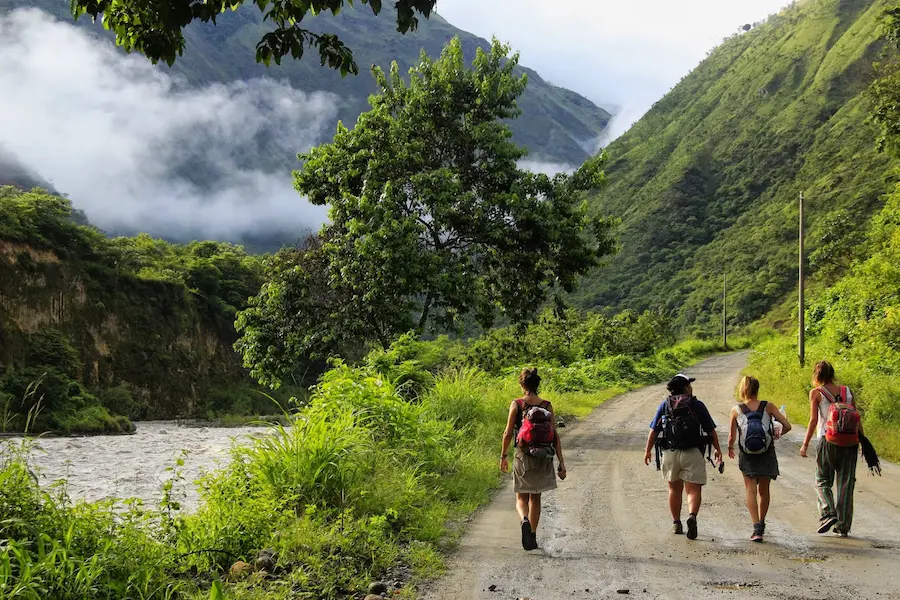
Jungle Trekking is one of those experiences that can completely change the way you see a destination. Instead of simply moving from one attraction to another, you spend hours surrounded by vegetation, listening to unfamiliar sounds, following trails and paying attention to everything happening around you.
There is something different about walking through the rainforest. The scenery is never quite the same from one moment to the next. A small movement between the trees, the sound of birds above you or the discovery of a plant you have never seen before can turn an ordinary stretch of trail into part of the adventure.
For travelers visiting Peru, the jungle offers a very different experience from the Andes or the country’s historic cities. The pace is slower, the environment is more unpredictable and much of what makes the journey special comes from simply being present in nature.
And you do not necessarily need to be an experienced hiker to enjoy it. Jungle trekking can take different forms depending on the destination, the trail and the type of experience you are looking for. Some routes are relatively accessible, while others involve longer walks and more demanding terrain.
So, what is it actually like to walk through the Peruvian jungle? And could this be the kind of adventure you are looking for on your next trip?
You might be interested in reading: What Should Travelers Know About Amazonian Shamans?
What Is Jungle Trekking Really Like?
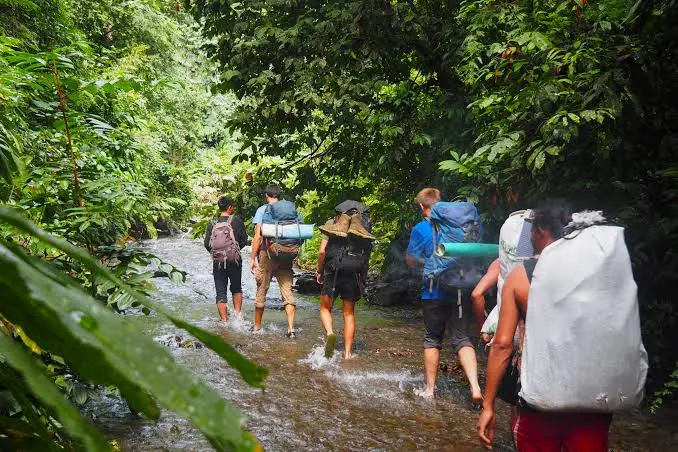
Jungle trekking is more than simply walking through a forest. It is an opportunity to experience the rainforest at ground level, where the environment becomes part of the journey.
Unlike a conventional hike where you may be focused mainly on reaching a viewpoint or completing a route, trekking through the jungle is often about what you encounter along the way.
Walking Through a Living Environment
The rainforest is constantly changing. Light moves through the canopy, vegetation grows around the trail and animals can appear unexpectedly.
You might stop to observe a bird, examine an unusual plant or listen to your guide explain something about the ecosystem. These small moments often become some of the most memorable parts of the experience.
The Trail Is Part of the Adventure
Jungle trails can vary considerably. Some follow relatively clear paths, while others pass through dense vegetation, uneven ground or areas with more humidity.
This makes the experience different from walking through a conventional tourist attraction. You are not simply following a route; you are interacting with a natural environment.
You might be interested in reading: The Most Fascinating Amazonian Food Traditions
Why Try Jungle Trekking in Peru?
Peru is often associated with mountains, archaeological sites and traditional culture, but its rainforest represents another important side of the country.
The jungle covers an enormous area and offers travelers the chance to experience landscapes and wildlife that are completely different from what they may encounter elsewhere in Peru.
A Different Side of Peru
After visiting cities, archaeological sites or mountain destinations, spending time in the rainforest can completely change the rhythm of a trip.
Instead of focusing on architecture or historical monuments, your attention shifts toward trees, rivers, wildlife and the sounds around you.
A More Immersive Way to Experience Nature
One of the biggest differences between a jungle trek and simply visiting a rainforest attraction is the sense of immersion.
Walking allows you to notice details that can easily be missed from a vehicle or boat. You can observe the different layers of vegetation, notice animal tracks and take time to appreciate the environment around you.
What Can You See While Jungle Trekking?
Wildlife is one of the main reasons travelers choose to explore Peru’s rainforest, although seeing animals in their natural environment always involves an element of chance.
The jungle is not a zoo, and that unpredictability is part of what makes the experience exciting.
Birds Along the Trail
Birds are among the animals you may have opportunities to observe during a jungle trek. Their calls can often be heard before the birds themselves become visible.
Depending on the location and conditions, you may encounter colorful species moving through the canopy, birds near rivers or species feeding within the vegetation.
For travelers interested in birdwatching, walking through the forest can be particularly rewarding because it encourages you to slow down and pay attention.
Monkeys and Other Mammals
Some rainforest mammals live high in the trees, while others spend time closer to the forest floor.
Seeing monkeys, for example, can be an exciting moment during a trek, but sightings are never guaranteed. Your guide’s knowledge of animal behavior and the surrounding environment can make a significant difference when looking for wildlife.
Insects, Reptiles and Smaller Creatures
Not everything in the jungle is large or immediately noticeable.
Insects, frogs, reptiles and other small creatures are an important part of the ecosystem. Sometimes the most interesting discoveries are the ones you would have walked past without a guide pointing them out.
What Makes Jungle Trekking Different From a Regular Hike?
At first glance, jungle trekking might seem similar to hiking in other natural environments. However, the rainforest creates a completely different experience.
The Vegetation Changes the Experience
Dense vegetation can make the trail feel enclosed and mysterious. Trees, vines, palms and other plants create different layers throughout the forest.
You may also notice how quickly the environment changes as you move between open areas, dense vegetation and paths closer to rivers or streams.
The Sounds Are Constant
One of the first things many travelers notice is how noisy the jungle can be.
Bird calls, insects, moving water, leaves and distant animal sounds create an almost continuous background. Even when you cannot see wildlife, the sounds around you remind you that the forest is active.
The Weather Is Part of the Experience
Humidity, heat and occasional rain are natural parts of rainforest travel.
Rather than expecting perfectly predictable weather, it is better to prepare for changing conditions and understand that rain can be part of what makes the rainforest so vibrant.
What Should You Bring for a Jungle Trek?
Being prepared can make a significant difference to your experience. You do not need to carry everything you own, but a few practical items are especially useful.
Comfortable Clothing and Footwear
Lightweight clothing that allows you to move comfortably is a good starting point. Depending on the conditions of the trail, footwear with good grip can also be important.
It is worth choosing practical clothing over fashion when you know you will be spending several hours walking in a humid environment.
Protection From the Sun and Insects
A hat, sunscreen and insect repellent can be useful during rainforest excursions.
Longer clothing can also provide additional protection, particularly when walking through dense vegetation.
Water and Personal Essentials
Staying hydrated is particularly important in warm and humid conditions.
A reusable water bottle, small backpack and basic personal items can help you remain comfortable without carrying unnecessary weight.
A Camera or Binoculars
If wildlife and photography are part of your interests, bringing binoculars or a camera can make the experience even more enjoyable.
Just remember that observing the forest should come before getting the perfect photograph. Wildlife can disappear quickly, and sometimes the best moments happen when you simply stop and watch.
Is Jungle Trekking Difficult?
There is no single answer because jungle trails vary considerably.
Some experiences involve relatively short walks, while others may include longer distances, uneven terrain and more physically demanding sections.
Your Fitness Level Matters
You do not necessarily need to be an experienced trekker, but being comfortable walking for several hours can make the experience easier.
If you have concerns about the physical demands of a particular route, it is best to ask about the distance, terrain and expected walking time before choosing your excursion.
Listen to Your Guide
A local guide can help you understand the trail and adapt to the conditions.
They can also point out wildlife, explain the environment and help you move through the forest more safely and comfortably.
When Is a Good Time to Go Jungle Trekking in Peru?
The rainforest can be visited throughout the year, but conditions vary depending on the region and season.
Rainfall, river levels, temperature and wildlife activity can all influence the experience.
The Rainy Season
Rain can make trails wetter and sometimes more challenging, but it also brings a particular energy to the forest.
The vegetation can appear especially lush, and rainfall is simply part of the natural rhythm of the rainforest.
The Drier Months
Drier periods can make some trails easier to walk, although conditions still vary by destination.
For travelers who prefer less rain during their excursions, checking seasonal conditions before planning the trip can help determine which period works best for their itinerary.
How Can a Guide Improve the Jungle Trekking Experience?
Walking through the rainforest without understanding what you are looking at can mean missing many of its most interesting details.
A knowledgeable local guide can turn a simple walk into a much more meaningful experience.
Understanding the Wildlife
Guides familiar with the area may recognize animal calls, tracks or movement in the vegetation that travelers would easily overlook.
Their experience can help you observe wildlife without disturbing it.
Learning About the Forest
The rainforest is not simply a collection of trees and animals. Different species depend on one another, and the forest has its own complex relationships.
A guide can provide context about plants, animals and the environment, helping you understand what you are seeing rather than simply taking photographs of it.
How to Enjoy Jungle Trekking Responsibly
Exploring the rainforest also means respecting the environment you have come to experience.
Responsible travel does not have to make an adventure less enjoyable. In many cases, it allows you to experience nature more thoughtfully.
Keep Your Distance From Wildlife
Wild animals should be observed without attempting to touch, feed or approach them.
Giving animals enough space allows them to behave naturally and reduces unnecessary stress.
Leave Nothing Behind
Avoid leaving plastic, food or other waste along the trail.
The simple rule is easy to remember: anything you bring into the forest should leave with you unless it is specifically intended to remain there.
Follow Established Trails
Staying on designated paths helps reduce unnecessary damage to vegetation and minimizes your impact on the environment.
It also allows you to explore the forest while respecting the area you are visiting.
Could Jungle Trekking Be Right for You?
Jungle trekking can be a great choice if you enjoy nature, wildlife and experiences that feel a little less predictable.
You do not have to be an expert hiker or an experienced wildlife photographer. Curiosity, patience and a willingness to adapt to the environment can be more important.
If you like the idea of walking beneath the rainforest canopy, listening to wildlife and seeing a different side of Peru, a jungle trek could become one of the most memorable experiences of your trip.
Frequently Asked Questions About Jungle Trekking
Do I need previous trekking experience?
Not necessarily. The difficulty depends on the trail and excursion, so it is important to choose an experience that matches your physical condition and comfort level.
What should I wear for jungle trekking?
Lightweight, comfortable clothing and footwear with good grip are generally useful. Sun protection and insect repellent can also make the experience more comfortable.
Can I see wildlife while trekking?
Wildlife sightings are possible, but they can never be guaranteed. Animals move freely through their natural habitat, which is part of what makes observing them so special.
Is jungle trekking suitable for families?
Some jungle walks can be suitable for families, depending on the age of the travelers and the difficulty of the trail. Always check the conditions and walking time before choosing an excursion.
How long does a jungle trek usually last?
The duration can vary from a short walk of a few hours to longer excursions depending on the itinerary and destination.
A Different Way to Experience Peru
There is something special about exploring a destination on foot, especially when the landscape around you is constantly moving and changing. Jungle trekking gives travelers the opportunity to slow down, observe nature and experience the rainforest beyond its most recognizable attractions.
For those looking for a different kind of adventure in Peru, walking through the jungle can offer a combination of wildlife, nature, discovery and genuine connection with the environment, one trail at a time.