


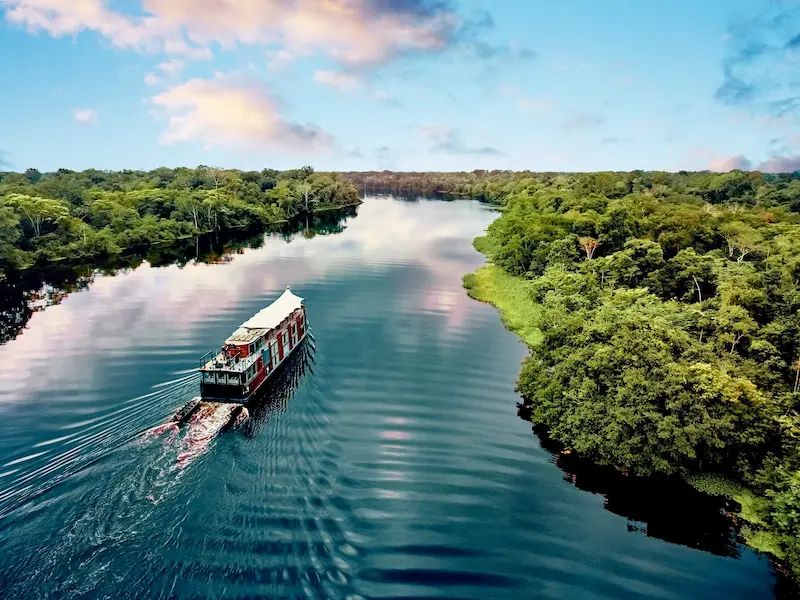
Rivers in Peru are much more than lines of water crossing the landscape. They are the natural highways of the Amazon, shaping forests, connecting remote communities, supporting wildlife, and influencing how people have lived in the region for centuries. Some begin high in the Andes before descending into the rainforest, while others travel through vast lowland forests before eventually joining the Amazon River system.
For travelers, these rivers offer a completely different way to understand Peru. A boat ride through the rainforest can reveal wildlife along the riverbanks, floating vegetation, remote villages, and landscapes that are impossible to experience from a road. But there is also a fascinating geographical story behind them: many of the rivers that define the Peruvian Amazon begin hundreds of kilometers away in the Andes.
Understanding the rivers of Peru is therefore a great way to understand the country itself. They connect two dramatically different environments, the high mountains and the tropical rainforest and together form one of the most important freshwater networks on Earth.
You might also be interested in reading: Saint Rose of Lima and Her Legacy in Peru
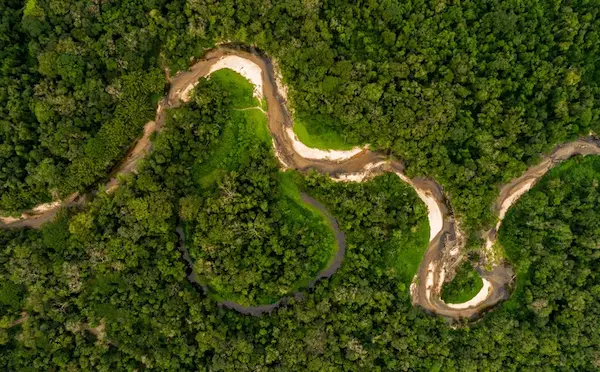
The Rivers That Shape the Peruvian Amazon
The Peruvian Amazon is crossed by an enormous network of rivers and tributaries. Rather than existing as isolated waterways, these rivers form an interconnected system in which smaller streams feed larger rivers, eventually contributing water to the Amazon Basin.
Some of Peru’s best-known Amazonian rivers have their origins in the Andes. As they descend toward the lowlands, their landscapes, water levels, vegetation, and surrounding ecosystems change dramatically.
The Amazon River in Peru
The Amazon River is the most famous river associated with the region, and Peru plays an important role in its early course. In the Peruvian lowlands, the river system becomes increasingly broad and complex as major tributaries converge.
The Amazon around Iquitos is particularly important for transportation, fishing, wildlife, and local communities. Because there are no roads connecting Iquitos with much of the surrounding rainforest, rivers remain essential routes through the region.
The Marañón River
The Marañón is one of the great rivers of Peru and one of the principal rivers contributing to the Amazon system. It begins in the Andes and travels through a landscape that changes from mountainous terrain to tropical forest.
Its journey is particularly interesting because it demonstrates how closely the Andes and Amazon are connected. Water that begins high in the mountains eventually reaches the vast lowland river network.
The Ucayali River
The Ucayali is another major river of the Peruvian Amazon. It flows northward through the lowlands and eventually joins the Marañón, forming what is commonly regarded as the beginning of the Amazon River proper in Peru.
The river is also closely connected to the city of Pucallpa and to numerous communities that depend on the waterway for transportation, fishing, and daily life.
You might also be interested in reading: Top 10 Animals of the Amazon Rainforests You Should Know
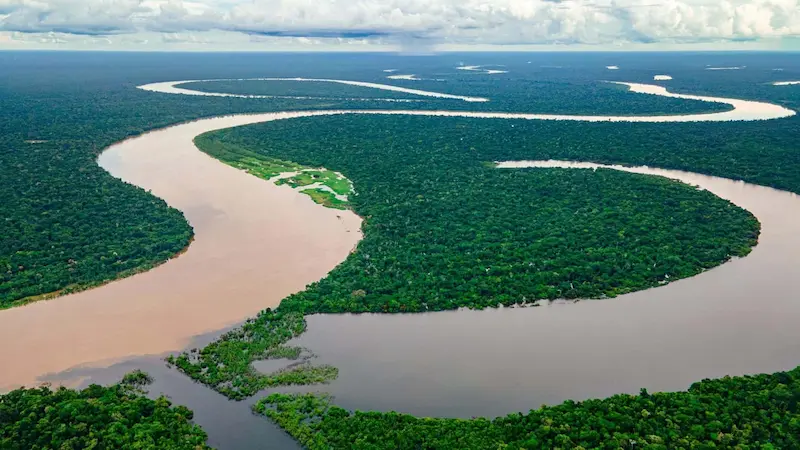
How the Andes Connect to the Amazon
One of the most fascinating things about Peru’s rivers is that the Amazon rainforest does not exist separately from the Andes. The two environments are connected by an enormous network of rivers that carry water from the mountains into the lowlands.
Rainfall and melting water in the highlands contribute to streams and rivers that gradually descend toward the Amazon Basin. Along the way, these waterways pass through valleys, forests, wetlands, and increasingly flat terrain.
From mountain rivers to rainforest waterways
A river can look completely different at different points along its course. In the Andes, waterways may be narrower, faster, and surrounded by steep slopes. Once they reach the lowlands, they can become wider, slower, and surrounded by dense tropical vegetation.
This transition is one of the reasons Peru has such remarkable geographical diversity.
The importance of elevation
The dramatic change in elevation between the Andes and Amazon affects more than the appearance of the rivers. It also influences temperature, rainfall, vegetation, wildlife habitats, and the way communities use the landscape.
This makes Peru’s river system an excellent example of how different ecosystems can remain closely connected.
Rivers as natural corridors
Amazonian rivers also act as natural corridors for people and wildlife. Animals use riverbanks and surrounding forests as habitats, while local communities depend on waterways to reach settlements, markets, fishing areas, and other parts of the rainforest.
For visitors, these same waterways provide access to parts of the Amazon that are otherwise difficult to reach.
You might also be interested in reading: Is the Amazon in Peru? Maps, Facts & How to Visit
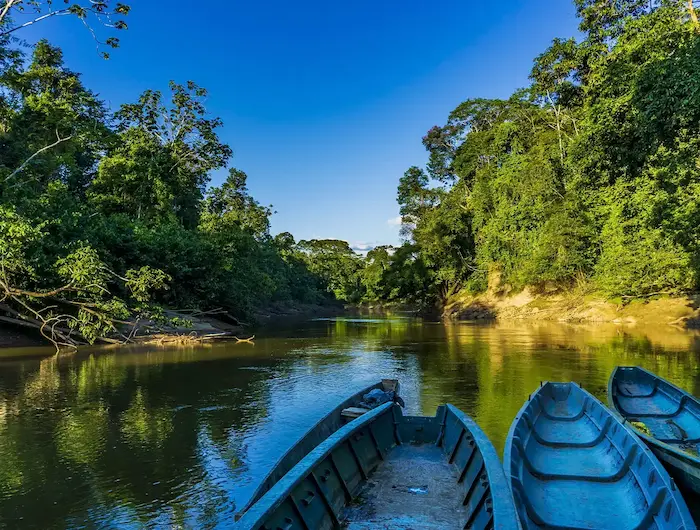
Major Rivers in Peru’s Amazon Basin
Although the Amazon River receives most of the attention, it is only one part of a much larger system. Several major rivers in Peru contribute to the Amazon Basin, each with its own geography and ecological importance.
These waterways help explain why the Peruvian Amazon is not one single uniform environment. Different river systems create different landscapes, habitats, and opportunities for exploration.
| River | Main role in the Amazon system | Areas associated with it |
| Marañón River | One of the principal rivers contributing to the Amazon | Northern and central Peru |
| Ucayali River | Major Amazon tributary and part of the Amazon’s formation | Pucallpa and central/eastern Peru |
| Napo River | Major Amazon tributary flowing through northern Peru | Loreto |
| Huallaga River | Major tributary of the Marañón | Central and northern Peru |
| Putumayo River | Forms part of the Peru–Colombia border and contributes to the Amazon system | Northern Loreto |
| Madre de Dios River | Important tributary within the southern Amazon drainage | Madre de Dios |
The Napo River and Northern Peru
The Napo River is one of the major rivers of the northern Peruvian Amazon. It enters Peru from Ecuador and continues eastward before joining the Amazon River system.
Its surrounding forests are home to diverse wildlife and remote communities, making the river an important part of the ecological and cultural landscape of Loreto.
Wildlife along the Napo River
Riverbanks can provide valuable habitat for birds, mammals, reptiles, and amphibians. During a journey along the river, travelers may encounter species adapted to life around freshwater ecosystems and seasonally flooded forests.
Wildlife sightings, of course, depend on the location, season, weather, and behavior of the animals.
Communities along the Napo
The river is also important to communities throughout the region. Boats can serve as a practical means of transportation where roads are limited or nonexistent.
This makes the Napo more than a geographical feature—it is part of everyday life in the northern Peruvian Amazon.
You might also be interested in reading: Holiday Destinations to Discover the Best of Peru
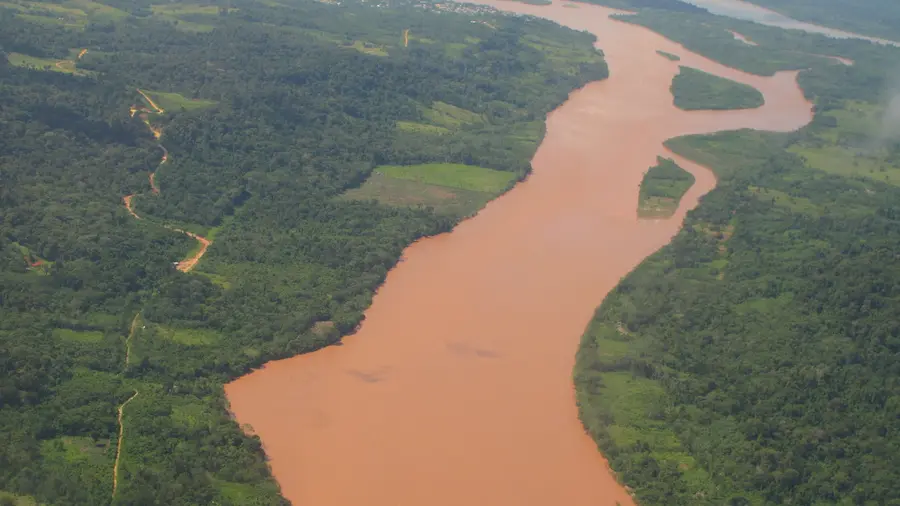
The Huallaga River and Its Journey Toward the Amazon
The Huallaga is one of Peru’s major rivers and an important tributary of the Marañón. Its journey begins in the Andes before continuing through valleys and rainforest landscapes.
Its course illustrates another connection between Peru’s mountainous regions and its Amazonian lowlands.
From the Andes to the lowlands
The upper Huallaga passes through landscapes strongly influenced by the Andes. As the river moves toward lower elevations, the environment gradually becomes warmer and increasingly tropical.
This transition creates a fascinating geographical link between two of Peru’s major ecosystems.
The Huallaga and Amazonian landscapes
Once the river reaches the lowlands, its surroundings become increasingly dominated by rainforest. Its waters eventually contribute to the larger Amazon drainage through the Marañón.
You might also be interested in reading: Should you worry about rain in the amazon rainforest?
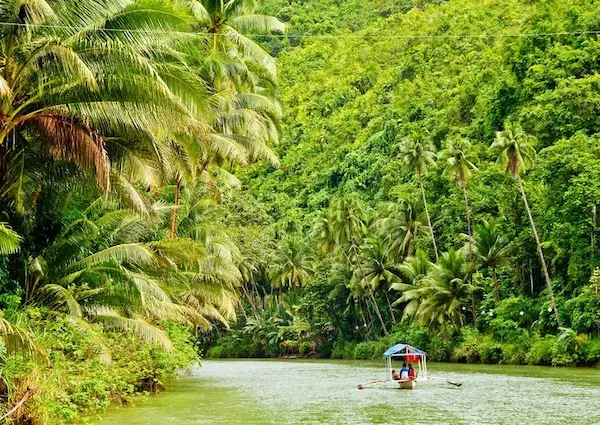
The Putumayo River and Peru’s Northern Amazon
The Putumayo River is particularly interesting because parts of its course form an international boundary between Peru and Colombia. It is one of the important rivers in the northern Amazon and eventually contributes its waters to the Amazon system.
Its location gives the river a unique geographical and cultural importance.
A river shared by countries
The Putumayo demonstrates that Amazonian waterways do not follow political borders. Rivers connect ecosystems and communities across several countries, creating shared environmental and cultural landscapes.
Forests and freshwater ecosystems
The forests surrounding the Putumayo support a wide range of Amazonian species. As with other Amazonian rivers, seasonal changes in water levels can transform the surrounding landscape and influence where wildlife can be found.
The Madre de Dios River in the Southern Amazon
In southern Peru, the Madre de Dios River is one of the most important waterways in the Amazon region. It flows through an area known for exceptional biodiversity and is closely associated with destinations such as Puerto Maldonado and the surrounding rainforest.
Unlike the Marañón and Ucayali, the Madre de Dios does not directly form the Amazon River. Instead, it is part of the Madeira River drainage, which ultimately contributes to the Amazon Basin.
Madre de Dios and rainforest biodiversity
The forests surrounding the river are home to an impressive variety of plants and animals. River environments, oxbow lakes, wetlands, and flooded forests create different habitats within the broader rainforest ecosystem.
The river and wildlife tourism
The Madre de Dios is also important for responsible ecotourism. Boat excursions provide access to rainforest areas where travelers can observe wildlife and experience the Amazon while minimizing the need for roads through sensitive forest habitats.
How Rivers Support Life in the Peruvian Amazon
The rivers of the Amazon are fundamental to the ecosystems surrounding them. They provide water, transport nutrients, create habitats, and influence the seasonal rhythms of the rainforest.
During periods of high water, rivers can expand into surrounding forests, creating seasonally flooded environments. When water levels fall, different areas of forest and riverbank become exposed.
Rivers as wildlife habitats
Amazonian rivers support an extraordinary range of aquatic and semi-aquatic wildlife. Fish are particularly important because they form a major part of the food web and also provide food for local communities.
River environments can also support species such as river dolphins, caimans, turtles, giant otters, and numerous bird species.
Flooded forests and seasonal changes
The relationship between rivers and forests is constantly changing. Seasonal flooding can carry nutrients into forested areas and create temporary aquatic habitats.
These changes are an essential part of how many Amazonian ecosystems function.
Rivers and local livelihoods
For many communities, rivers remain essential for fishing, transportation, communication, and access to resources. In remote areas, a boat can be just as important as a road—or even more important.


[…] You might also be interested in reading: Rivers in Peru That Flow Through the Amazon […]