Anacondas in Manu : The Giant Serpent of the Amazon

Anacondas in Manu : The Giant Serpent of the Amazon

Manu National Park, a UNESCO World Heritage site, is a vast expanse of untamed wilderness in the Peruvian Amazon. It serves as a sanctuary for countless wildlife species and a haven for eco-tourists seeking to experience the Amazon’s rich biodiversity. Among its most fascinating inhabitants is the anaconda, the giant serpent that has long captivated explorers and adventurers alike.

The Heart of Biodiversity

Spanning over 1.5 million hectares, Manu encompasses diverse ecosystems from lowland rainforests to Andean highlands. This diversity makes it one of the most biodiverse regions on Earth. Visitors can encounter jaguars, capybaras, giant otters, and over a thousand bird species, including vibrant macaws. Each layer of the forest, from canopy to understory, teems with life, offering a glimpse into the complex interactions that sustain the Amazon’s ecosystems.

Ecosystems and Habitats

The park’s geography supports a wide range of ecosystems, from humid lowland rainforests to cooler, cloud-kissed Andean highlands. This gradient allows Manu to host an incredible variety of life. The lowlands feature towering trees and dense canopies sheltering countless species, while the highlands offer unique flora and fauna adapted to cooler temperatures and thinner air. Rivers act as highways for wildlife and nutrients, linking ecosystems and maintaining the park’s health.

Anacondas in Manu

Protecting a Natural Treasure

Manu National Park’s UNESCO status highlights its exceptional natural value. Conservation efforts aim to protect biodiversity and combat threats such as deforestation and illegal poaching. The park is managed by SERNANP, which collaborates with local communities and international organizations to implement sustainable practices. These efforts are vital to preserving the park’s ecosystems and the species that depend on them, including the enigmatic anaconda.

Trekking Through the Wilderness

Trekking in Manu offers an unforgettable adventure. The park features numerous trails through lush forests, opening up to breathtaking vistas. Each step brings travelers closer to nature’s wonders, from the chorus of frogs at dusk to the rustle of leaves as capybaras scurry away.

Trails and Pathways

Manu’s trails vary in difficulty and length, accommodating both novice hikers and experienced adventurers. Some paths wind through dense jungle, allowing close encounters with plants and wildlife. Others climb into Andean foothills, offering panoramic views of the rainforest below. Guided treks with knowledgeable locals enhance the experience, providing insights into the park’s ecology and cultural significance.

Wildlife Encounters

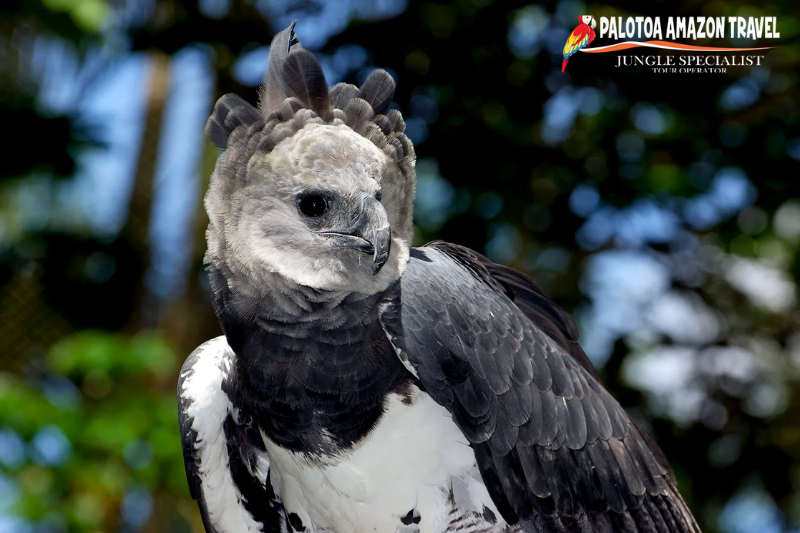
The thrill of trekking includes the chance to encounter diverse wildlife. Hikers may spot jaguars moving stealthily through the underbrush or playful capuchin monkeys swinging through trees. Birdwatchers can enjoy rare species like the Andean cock-of-the-rock and the harpy eagle. Each encounter underscores the park’s incredible biodiversity and the need to protect its habitats.

Anacondas in Manu

Sustainable Trekking Practices

Sustainable tourism preserves Manu’s ecosystems. Visitors should follow Leave No Trace principles, remain on designated trails, carry out all waste, and respect wildlife by keeping a safe distance. By practicing responsible trekking, visitors help maintain the park’s pristine condition for future generations.

The Anaconda: Giant Serpent of the Amazon

A Marvel of Nature

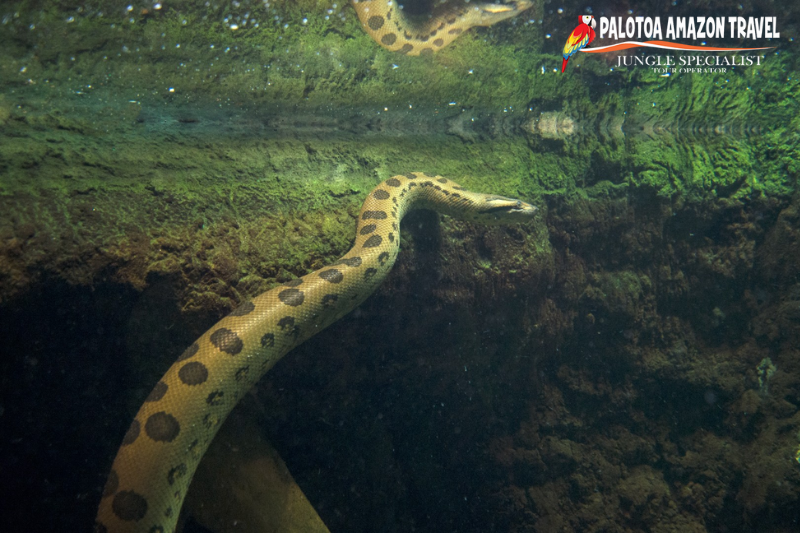
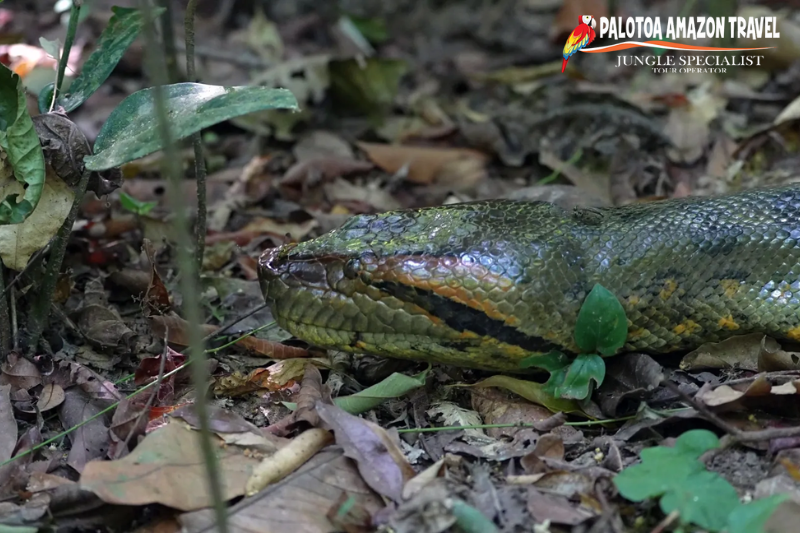
The green anaconda is one of the Amazon’s most formidable predators. It can exceed 30 feet in length and weigh over 500 pounds. Thriving in Manu’s swampy waters, it preys on capybaras, caimans, and occasionally jaguars. Its size, strength, and stealth make it a top predator and a truly awe-inspiring Amazonian creature.

Hunting and Feeding Habits

Anacondas are primarily aquatic and ambush their prey using camouflage and patience. Once an animal approaches, they strike quickly, coiling around it to subdue it. Their slow metabolism allows them to digest large meals over weeks or even months. This hunting efficiency is key to surviving in the competitive rainforest ecosystem.

The Role of Anacondas in the Ecosystem

As apex predators, anacondas maintain ecological balance by regulating prey populations. They prevent any single species from dominating the environment, which could harm other organisms. Anacondas also become prey for jaguars and caimans, highlighting their integral role in the food web. Understanding their role reveals the complex interactions sustaining Manu’s biodiversity and underscores the importance of conserving these remarkable snakes.

Anaconda Myths and Facts

The anaconda’s size and power have fueled numerous myths and stories. Many indigenous communities in the Amazon regard it with a mix of reverence and fear. While tales of anacondas attacking boats or humans are largely exaggerated, these snakes are indeed powerful hunters, capable of subduing large animals with their constricting coils.

Cultural Significance and Folklore

In many indigenous cultures of the Amazon, the anaconda is considered a symbol of strength and mystery. Stories and legends often depict the snake as a powerful spirit or guardian of the waterways. These narratives serve as a testament to the anaconda’s impressive presence and its impact on human imagination. Understanding these cultural connections deepens our appreciation for the anaconda and its role in the lives of those who share its habitat.

Anacondas in Manu

Debunking Myths

Despite the anaconda’s fearsome reputation, most myths surrounding it are exaggerated or unfounded. Anacondas do not actively hunt humans, and instances of attacks are extremely rare. These snakes are more likely to avoid human contact, preferring the safety of their natural habitats. By educating the public about the true nature of anacondas, we can dispel myths and foster a greater understanding and respect for these incredible creatures.

The Importance of Education and Conservation

Education plays a vital role in changing perceptions of the anaconda and promoting conservation efforts. By raising awareness about the ecological importance of these snakes and the threats they face, we can encourage more people to support initiatives that protect their habitats. Conservation programs often involve local communities, empowering them to preserve their natural heritage and ensure the survival of the anaconda and other species that call the Amazon home.

Eco-Tourism in Manu

Manu National Park is a prime destination for eco-tourism, offering visitors a chance to immerse themselves in the pristine beauty of the Amazon.

Best Spots for Wildlife Observation

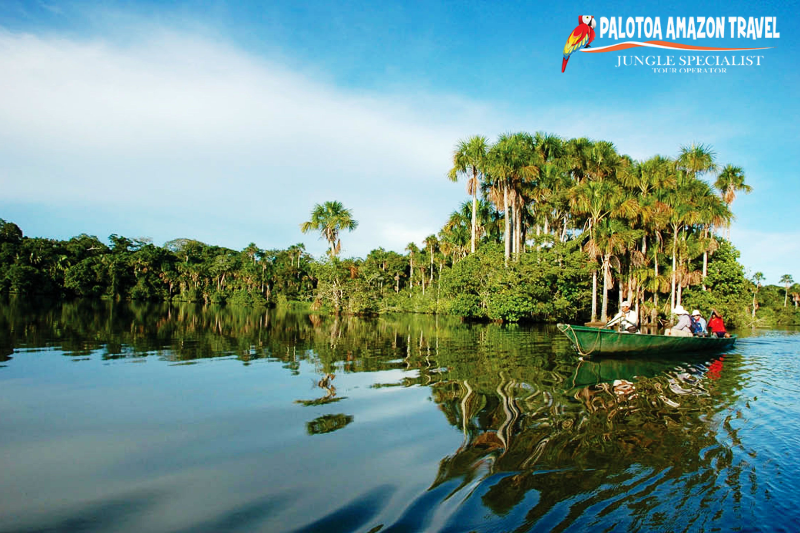
The Tambopata region is renowned for its clay licks, where hundreds of macaws and parrots gather to feed on the mineral-rich clay. These vibrant gatherings provide a spectacular sight for nature enthusiasts. The park’s rivers and oxbow lakes are also excellent locations for wildlife observation, offering opportunities to see giant otters, caimans, and a variety of bird species in their natural habitats.

Anacondas in Manu

Responsible Tourism Practices

Eco-tourism in Manu emphasizes responsible practices that minimize environmental impact and support conservation efforts. Tour operators prioritize sustainable operations, ensuring that their activities benefit local communities and ecosystems. Visitors are encouraged to follow guidelines that protect wildlife and preserve the park’s natural beauty, such as maintaining a respectful distance from animals and refraining from disturbing their habitats. By choosing eco-friendly tours, travelers contribute to the protection of Manu’s unique environment.

Engaging with Local Communities

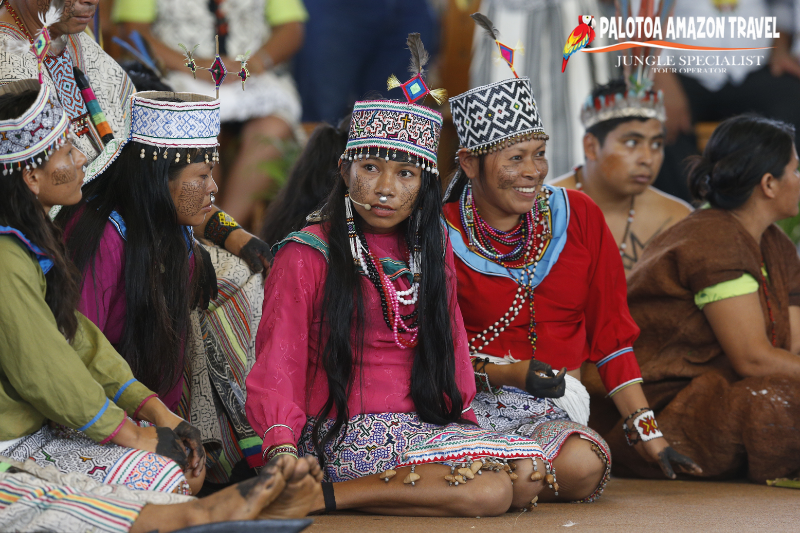
Eco-tourism in Manu also emphasizes sustainable practices and cultural exchange. Visitors have the opportunity to engage with local communities, learning about their traditional ways of life and their deep connection to the land. These interactions enrich the travel experience, offering insights into the cultural heritage of the Amazon’s indigenous peoples. Community-led initiatives often involve traditional crafts, storytelling, and participation in daily activities, providing an authentic glimpse into the lives of those who have lived in harmony with the forest for generations.

FAQs About Visiting Manu National Park

What is the best time to visit Manu National Park?

The best time to visit Manu National Park is during the dry season, from May to October, when wildlife is more active, and trekking conditions are optimal. During this period, the skies are clearer, and trails and waterways are easier to access, enhancing the overall experience. However, the wet season, from November to April, also has its charms. In fact, the lush green landscapes and fewer tourists during this time provide a more intimate encounter with nature.

How Can I Reach Manu National Park?

Access to Manu is typically via Cusco. From there, you can take a bus or flight to nearby towns and then continue by boat into the park. Moreover, the journey itself is an adventure, offering stunning views of both the Andes and the Amazon Basin. In addition, various tour operators offer packages that include transportation, accommodation, and guided tours, making it easier for visitors to plan their trip and fully explore the park’s wonders.

Are There Any Safety Concerns Regarding Wildlife in Manu?

While Manu is home to potentially dangerous wildlife, guided tours ensure visitor safety by minimizing risks. Furthermore, guides provide expert insights into animal behavior, helping visitors understand how to respect and observe wildlife responsibly. By following safety guidelines and listening carefully to your guide’s instructions, you can enjoy a safe and memorable experience in Manu.

The Significance of Manu Reserve

Manu Reserve’s designation as a UNESCO World Heritage site underscores its global importance. Specifically, it serves as a repository of biodiversity and cultural heritage. Moreover, the park’s conservation efforts aim to protect its unique ecosystems as well as the indigenous communities that call it home. Therefore, as travelers, we have a responsibility to respect and preserve this natural wonder, ensuring that future generations can marvel at the same sights that leave us in awe today.

Global Importance of Biodiversity

Manu National Park is a critical stronghold for global biodiversity, housing a significant portion of the Earth’s species. Its conservation is essential not only for the organisms that inhabit it but also for the ecological services it provides, such as carbon sequestration, climate regulation, and mitigation of climate change impacts. Consequently, the park’s health is directly linked to the well-being of the planet, making its preservation a global priority in the fight against climate change.

Indigenous Communities and Cultural Heritage

The indigenous communities within Manu play a crucial role in the park’s conservation. Indeed, their traditional knowledge and sustainable practices have been instrumental in maintaining the ecological balance of the region. Furthermore, recognizing and supporting their rights and contributions is essential to the park’s ongoing protection and the preservation of its cultural heritage. Collaborative efforts between conservationists and indigenous groups are therefore key to ensuring Manu’s future.

Anacondas in Manu

The Role of Eco-Tourism in Conservation

Eco-tourism provides a sustainable way to support Manu’s conservation efforts while simultaneously offering economic benefits to local communities. By promoting responsible tourism practices, eco-tourism also raises awareness about the importance of preserving the park’s natural and cultural resources. Consequently, visitors who engage in eco-tourism become advocates for conservation, spreading the message of sustainability and encouraging others to experience and protect Manu’s unparalleled beauty.

Conclusion

Manu National Park, with its giant anacondas and vibrant macaws, is a testament to the awe-inspiring wonders of the Amazon rainforest. In addition, it offers a unique blend of adventure, cultural immersion, and ecological education that captivates both the heart and the mind. For the travel writer, Manu presents an opportunity to weave tales of nature’s grandeur and the rich tapestry of human culture, creating narratives that resonate with readers and inspire a deeper appreciation for the world’s wild places.

Moreover, by embracing the spirit of eco-tourism, we can contribute to the preservation of Manu’s pristine landscapes and the cultural heritage of its people. This ensures that the giant serpent of the Amazon continues to thrive in its natural realm. Ultimately, as stewards of the planet, it is our responsibility to protect these irreplaceable ecosystems, fostering a legacy of conservation that extends beyond our lifetimes.

This website uses cookies to improve your experience.