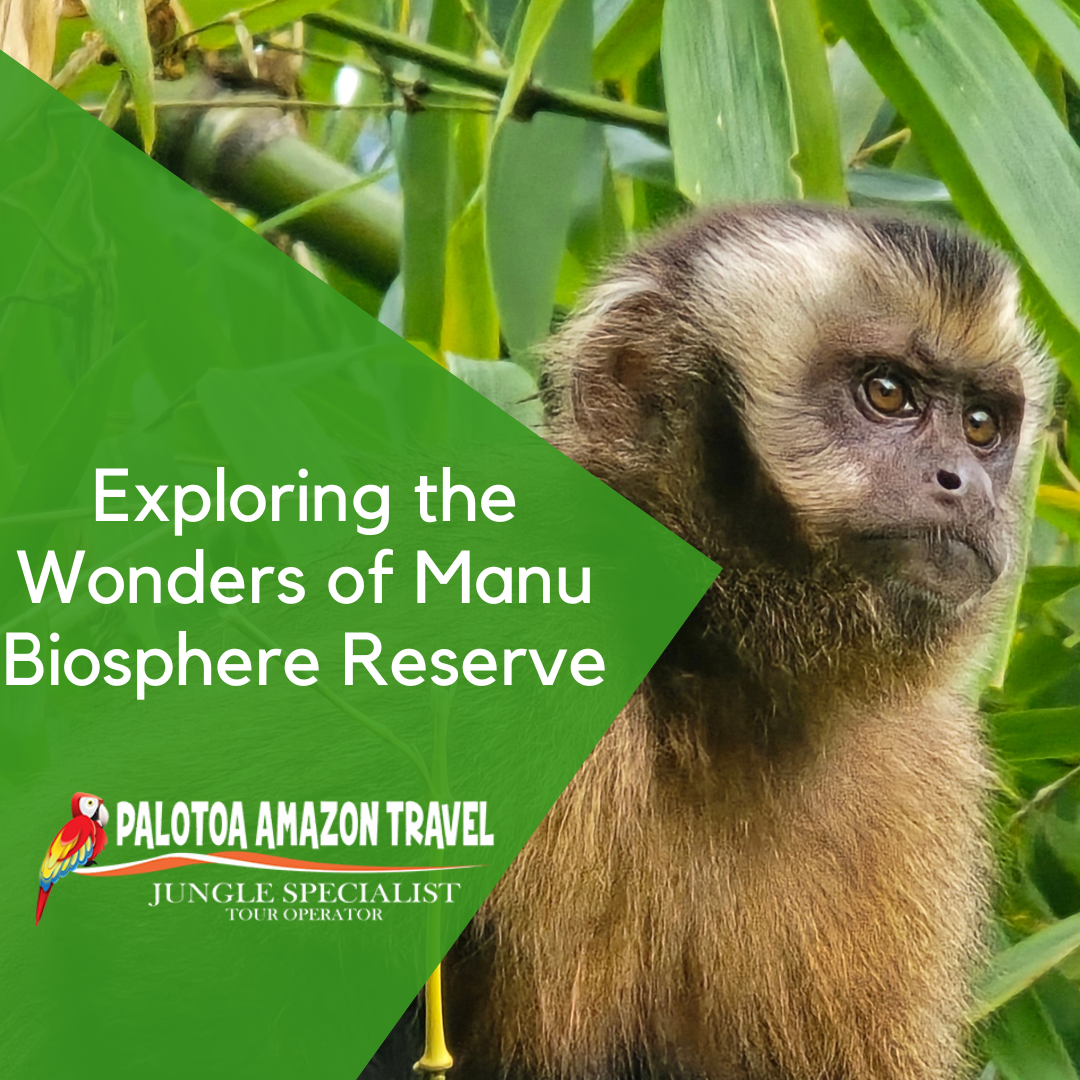
Manu National Park lies in central Peru, and it is recognized for its diverse animal life. The park spans a vast area from the Andes to the Amazon Basin. Countless tourists visit Manu National Park to see its wildlife. The park has turned into a refuge for nature lovers who relish the purest form of wilderness.
In this blog, we will discuss why Manu National Park is considered to be a paradise for nature lovers.

Manu National Park is a major biodiversity hotspot on Earth. Its combination of cloud forests, grasslands, and jungle brings the species that live in only a handful of places. This is mainly why this area is so highly esteemed among nature lovers. Researchers have documented a huge number of mammals, thousands of plants, and a very extensive list of reptiles and amphibians.
Several factors boost this diversity. The Manu National Park biodiversity covers different species. Temperatures shift as you move from high altitudes to warm forest floors. Rainfall also varies across areas. These conditions create perfect shelters for many animals. Some prefer dense tree cover. Others stay near water bodies. Many species stay active during daylight hours, while others usually move at night.
When travelers walk through the park, they often see how quickly the scenery changes. One moment, you stand among moss-covered trees. A short walk later, you find yourself near wide rivers with thick vines hanging above. Animals use these spaces in their own ways. This makes each zone feel different and exciting.
Bird watchers consider this park a treasure. There are so many species here that you can’t see them all in one go. Each one of them is different from the others.
Manu hosts several types of birds, such as:
One of the most popular sights is the macaw clay licks. Many macaws flock to the riverbanks to consume clay. The hoatzin is another highlight. Many people call it the bird with an attitude. It flaps its wings slowly and has a loud call that grabs your attention right away. Its odd look makes visitors curious. On calm days, you may see it perched on branches above small lakes.

Manu National Park in Peru is home to many mammals that attract wildlife fans. Some animals show themselves often, while others hide deep in the forest and reward only the most patient visitors.
Capybaras also live near water. They travel in groups and feel comfortable around still lakes and slow-moving rivers. Their calm nature makes them easy to watch. They sometimes sit close to shore without reacting much to boats or passing groups.
Other mammals include:
Giant otters are playful and loud. They swim in groups and communicate constantly. Visitors often say they hear them before seeing them. These otters depend on clean rivers, which is why the protected status of the park keeps them safe.
Tapirs move quietly but leave large tracks. They feed on fruits and plants. When they wander near clay licks or river edges, travelers may get a close look. Howler monkeys, on the other hand, never stay quiet. Their deep calls shake the forest during early mornings. Squirrel and spider monkeys flicker fast through the tree tops. Their dexterity keeps the visitors entertained for hours on end.
Besides the big animals, the Manu Park biodiversity is full of small creatures that add an attractive feature to the place. Reptiles are quite successful in warm and humid conditions. Snakes and lizards continue to be the most frequent along the paths of the forests. Many remain gentle and avoid visitors. Guides usually help keep groups safe by pointing out where reptiles rest.
The park also has several frog species. Their calls fill the forest at night. Their bright colors and odd patterns fascinate researchers. They hide near leaves, ponds, or under fallen logs. Since they react strongly to changes in the environment, seeing healthy frog populations is usually a good sign for the forest.
Butterflies appear in huge numbers during sunny seasons. They gather near river edges or damp soil. Some species have wings that reflect light in different colors. Watching them move in groups creates a peaceful moment during hikes.

Going to Manu is more satisfying if you do it properly. The park is very strict with its regulations in order to conserve both flora and fauna. Those who come for a visit must be very obedient to the rules laid down by the governing authorities and the persons who lead the way. The rules are first of all for the safety of the animals, and then they serve as protective measures for the travelers.
Here are some simple tips for smoother wildlife viewing:
Local guides often share insights that you cannot get from books. Many grew up around the area and know the best times for spotting different animals. Their knowledge adds depth to the visit and helps travelers see wildlife in Manu National Park properly.
Rain might restrict movement in certain parts, whereas sunny days will allow you to explore new places. Having a light gear and being flexible will lead to better wildlife encounters.
Manu, on top of that, is a promoter of responsible travel as well. Tourists must not leave garbage and should respect the homes of the animals. Little contributions from each individual will ensure that the park stays alive for the coming generations.

Manu National Park is one of the top locations worldwide to see nature with wild animals in the most authentic way. You will see a different animal at each step, ranging from vibrant birds to shy tapirs. A habitat like this is literally heaven for any nature lover.
Plan your trip with us today and witness the beauty of wildlife in Manu National Park yourself!