


Manu National Park is a core area within the biosphere reserve, spanning more than 1.5 million hectares. It is renowned for its extraordinary biodiversity, home to thousands of species of flora and fauna. This protected region stands as a testament to the wonders of the Amazon rainforest, where the natural world thrives in a delicate balance. Visitors to Manu are often left in awe of its sheer size and the interconnectedness of its ecosystems, which support a dizzying array of life forms.
The park encompasses a range of ecosystems, from lowland rainforests teeming with life to the mysterious cloud forests shrouded in mist. Each ecosystem supports its own unique set of species and ecological processes. In the lowlands, towering trees form a dense canopy that shelters countless insects, birds, and mammals. As you ascend into the cloud forests, the environment changes dramatically, with cooler temperatures and high humidity nurturing unique flora like orchids and bromeliads.
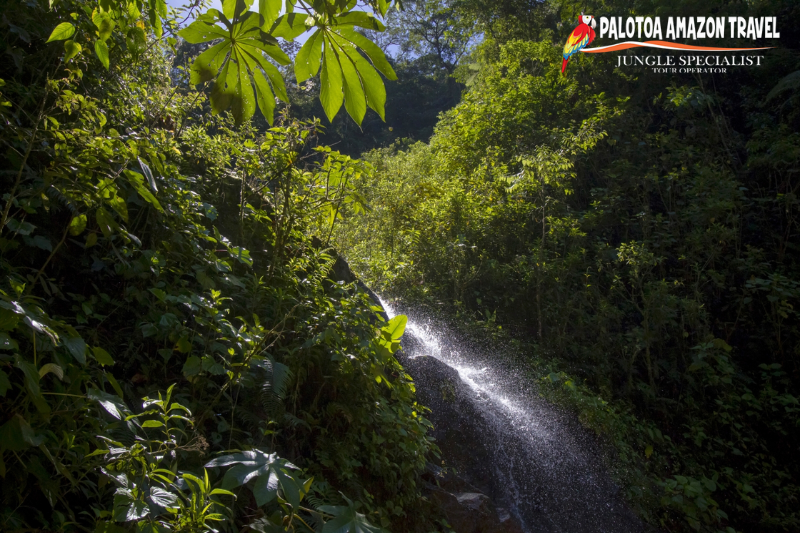
The flora of Manu is as diverse as its fauna, with an estimated 4,000 species of plants. Many of these plants have medicinal properties and are used by indigenous communities for traditional healing practices. The towering trees, some of which reach heights of over 60 meters, form the backbone of the forest ecosystem, providing habitat and food for a myriad of creatures. The forest floor is a treasure trove of biodiversity, with fungi and smaller plants playing vital roles in nutrient cycling.
Exploring Manu after dark reveals a different side of the rainforest, where nocturnal creatures come to life. Guided night walks offer a chance to encounter creatures like the night monkey, bats, and a variety of insects and amphibians. The sounds of the jungle amplify under the cover of darkness, creating an immersive and thrilling experience. These nighttime adventures highlight the park’s ecological complexity and the adaptive strategies of its inhabitants.
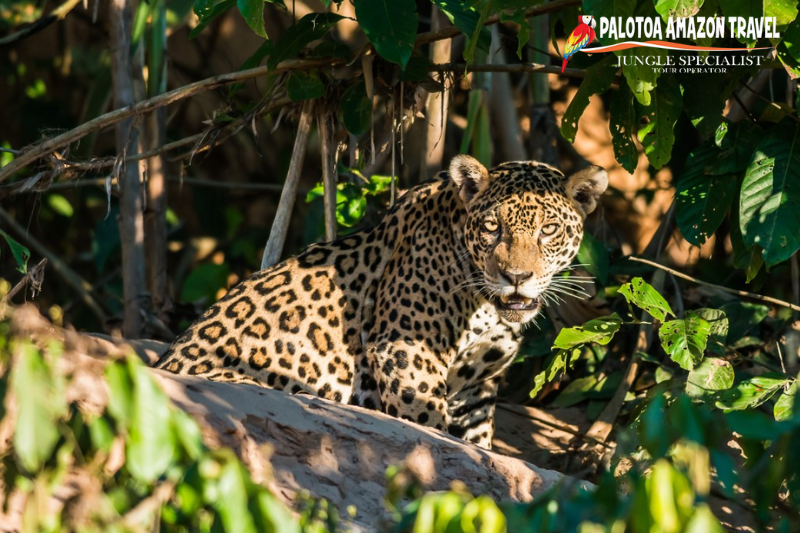
The reserve is teeming with wildlife, offering opportunities to encounter some of the most iconic animals of the Amazon. The elusive jaguar, a symbol of power and mystery, roams the dense jungle. These magnificent cats are apex predators in the region, and spotting one is a rare and thrilling experience.
Jaguars are stealthy hunters, using their powerful build and keen senses to track prey through the dense foliage. Their presence is a testament to the health of the ecosystem, as they require large territories and abundant prey to thrive. Observing a jaguar in its natural habitat is a privilege that few experience, offering insight into the intricate balance of predator and prey.
Anacondas, the world’s largest snakes, glide silently through the waterways. Their presence is a reminder of the incredible adaptations that creatures in the Amazon have developed to thrive in this lush environment. These serpents are perfectly adapted to their aquatic surroundings, using their muscular bodies to constrict prey with precision. Despite their fearsome reputation, anacondas are an integral part of the ecosystem, controlling populations of aquatic and terrestrial animals.
Along the riverbanks, groups of capybaras can be seen lounging in the sun, embodying the tranquil rhythm of life in Manu. These social rodents are the largest in the world, often found in family groups near water sources. Their gentle demeanor and tendency to form bonds with other species make them a fascinating subject for wildlife enthusiasts. Observing capybaras in their natural setting provides a glimpse into the cooperative and interconnected nature of the Amazon’s fauna.
Manu is perfect for birdwatching. The reserve boasts over 1,000 bird species, including the vibrant macaws and the elusive harpy eagle. Birdwatching in Manu offers a chance to witness the symphony of colors and sounds that fill the canopy, making it a must-visit for ornithologists and enthusiasts.
Macaws are among the most striking birds in Manu, their vibrant plumage and raucous calls drawing attention. Flocks of macaws can be seen feeding on clay licks, where they ingest minerals to aid digestion. These social birds are a key attraction for visitors, their beauty and behavior offering endless fascination. Watching macaws in flight is a visual feast, as their colors contrast sharply against the green canopy.
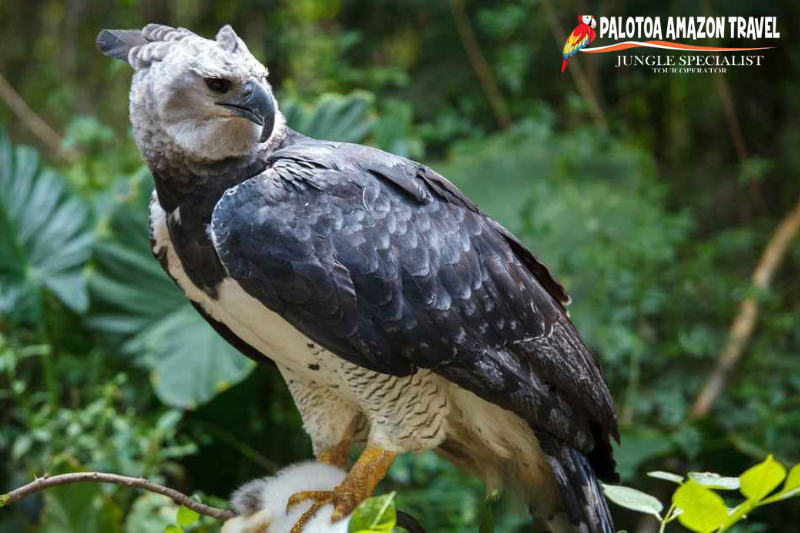
The harpy eagle, one of the largest and most powerful birds of prey, is a top predator in the rainforest. With its impressive wingspan and striking appearance, it commands respect and admiration. Spotting a harpy eagle is a rare highlight for birdwatchers, as these birds are elusive and require vast territories. Their presence in Manu underscores the area’s ecological significance and the need for continued conservation efforts.
The Amazon River and its tributaries are lifelines that sustain Manu’s rich ecosystems. Moreover, the playful giant otters are often seen frolicking in the waters, showcasing their social nature. As you glide along the river, the dense vegetation and serene waters provide a backdrop for unforgettable encounters with the region’s aquatic inhabitants. Additionally, the rivers support countless fish species, which in turn attract many birds and mammals.
Giant otters, known for their playful behavior and vocalizations, delight visitors in their natural habitat. Furthermore, these social creatures live in family groups and hunt cooperatively. Watching them interact gives insight into the complex social structures of aquatic mammals. Their presence also signals healthy water quality and a thriving ecosystem, making them an important species for Manu.
The Amazon River hosts the enigmatic pink river dolphins, whose unique coloration and playful antics captivate visitors. Often, these intelligent mammals swim in calmer river stretches, approaching boats out of curiosity. Encountering river dolphins creates a magical experience, while highlighting the diversity of life supported by the Amazon’s waterways. In addition, seeing them reinforces the importance of conserving river habitats.
Sustainable tourism lies at the heart of the Manu UNESCO Biosphere Reserve’s mission. Consequently, every tour and lodge emphasizes eco-friendly practices that protect wildlife and support local communities. By choosing responsible activities, visitors actively contribute to conservation efforts while fully immersing themselves in Manu’s natural beauty. Thus, tourism becomes a tool for preservation, education, and cultural appreciation.
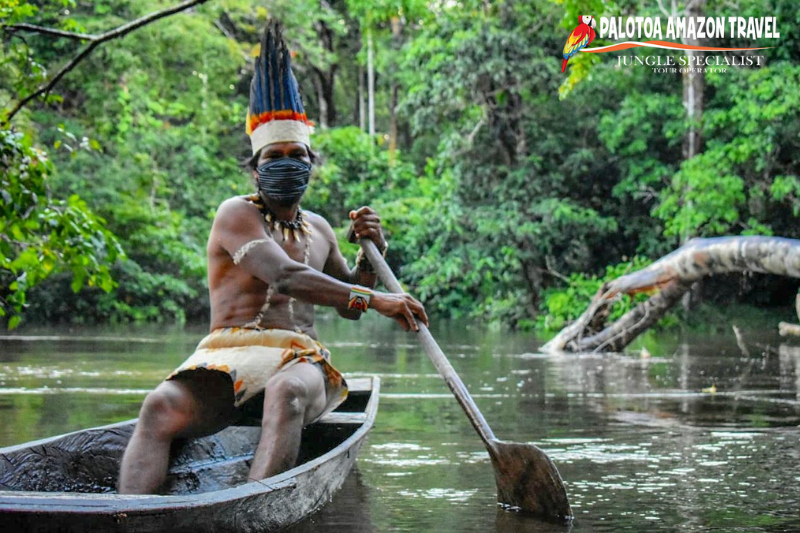
The Manu region is not only a haven for wildlife but also a vibrant cultural landscape. Indigenous communities, such as the Matsigenka and Yine, have lived in harmony with the land for generations. Their deep connection to the rainforest is reflected in their traditions, languages, and sustainable practices.
The Manu UNESCO Biosphere Reserve plays a vital role in global biodiversity conservation. Its protected status ensures the survival of countless species and the maintenance of essential ecological processes. By visiting Manu, travelers contribute to these conservation efforts, supporting the preservation of one of the planet’s most vital ecosystems.
When planning a visit to Manu, consider the best time to explore the region. The dry season, from May to September, offers optimal conditions for wildlife viewing and trekking. Booking with reputable tour operators ensures a safe and enriching experience, with guides who are passionate about sharing the wonders of Manu.
The Manu UNESCO Biosphere Reserve is a testament to the extraordinary beauty and complexity of the Amazon rainforest. From its diverse wildlife to its vibrant cultural heritage, Manu offers a journey of discovery that resonates with travelers and nature lovers alike. By embracing sustainable tourism and supporting conservation efforts, visitors can play a part in preserving this natural wonder for future generations. Embark on an adventure to Manu and experience the magic of the Peruvian Amazon. Each visit to this remarkable reserve contributes to its protection and the continued celebration of its ecological and cultural richness.

