
The Amazon Rainforest is a vast, biodiverse haven. Many species of the Amazon Rainforest Wildlife call it home. Unfortunately, some face the brink of extinction.
Endangered animals in this ecosystem are a growing concern. Human activities exacerbate their vulnerability. This article highlights 10 of these species.
The Amazon rainforest is home to an extraordinary variety of wildlife, but many species face increasing pressure from human activity and environmental changes. An animal may become threatened when its population declines, its habitat becomes fragmented, or the conditions it depends on become harder to sustain. Understanding these threats helps explain why some Amazon rainforest animals are at greater risk than others.
Deforestation is one of the biggest threats to wildlife in the Amazon. When forests are cleared for agriculture, cattle ranching, roads, mining, or other activities, animals lose the places where they find food, shelter, and reproduce. Forest fragmentation can also isolate populations, making it harder for animals to move between suitable habitats and maintain healthy populations.
Species that depend on large, continuous areas of forest can be particularly vulnerable. As their habitat becomes smaller or more fragmented, they may have fewer resources and greater exposure to human activity.
Hunting and illegal wildlife trade can put additional pressure on already vulnerable animal populations. Some Amazonian species are hunted for their meat, while others are captured or killed for their skins, feathers, body parts, or use in the illegal pet trade.
The impact can be especially serious when animals reproduce slowly or live in small populations. Removing even a relatively small number of individuals can make it difficult for a population to recover, particularly when hunting occurs alongside habitat loss.
Pollution can affect both terrestrial and aquatic wildlife throughout the Amazon. Mining, agricultural runoff, waste, and other pollutants can enter rivers and surrounding ecosystems, affecting the animals that depend on clean water and healthy food sources.
Changes to Amazonian rivers can also alter important habitats. Activities such as dam construction, mining, and other forms of development can affect water flow, aquatic ecosystems, and the availability of feeding and breeding areas for species such as river dolphins, giant otters, and Amazonian manatees.
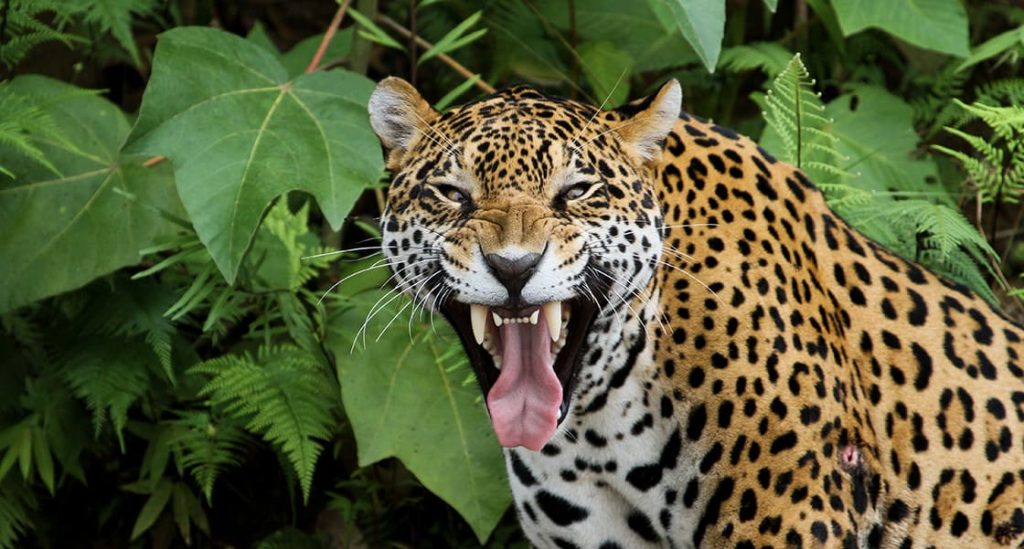
Amazonian jaguar is one of the endangered species of Amazon Rainforest Wildlife. The jaguar is the largest feline in South America and in the Amazon there are, unfortunately, currently many specimens. With a length (including tail) of up to 2.5 meters it weighs up to 120 kilos. He is a good swimmer, has nocturnal habits and is a solitary animal.
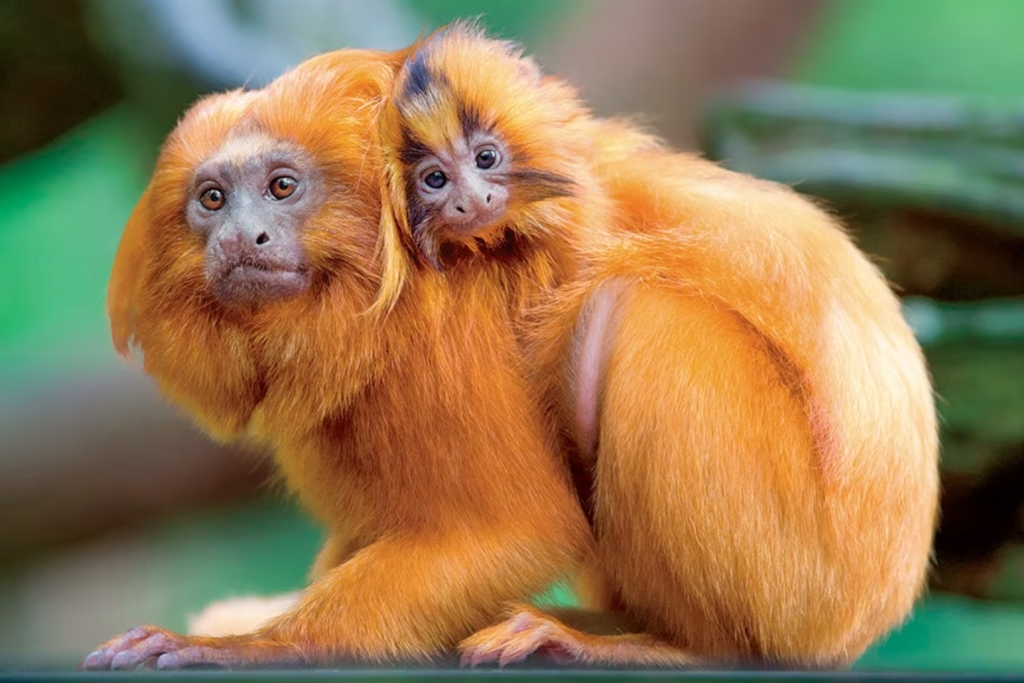
It consists of a species of endemic monkey of Brazil, its weight is of more or less 800 grams. The popular name of the species comes from its mane that has a very strong orange hue. Appears in the list of species that have a great risk of extinction.
A curiosity about this species is that its name was attributed when an individual was taken to Madame de Pompadour in 1754, who called him le petit singe-lion which literally means little golden lion.
This adorable creature is one of the three big animals visitors hope to see in the jungle, along with jaguars and the giant otter. The hoofed mammals are surprisingly nimble given their bulky appearance and they feed on clay licks found in the jungle.
Currently, it is considered that in Peru it is in danger of becoming extinct, but in the rest of the areas inhabited by its population it is not much greater. Its main threats are the loss of its habitats such as logging and burning.
Also, tapirs have come under threat as a result of illegal hunting and due to their habitat being destroyed by human activity.

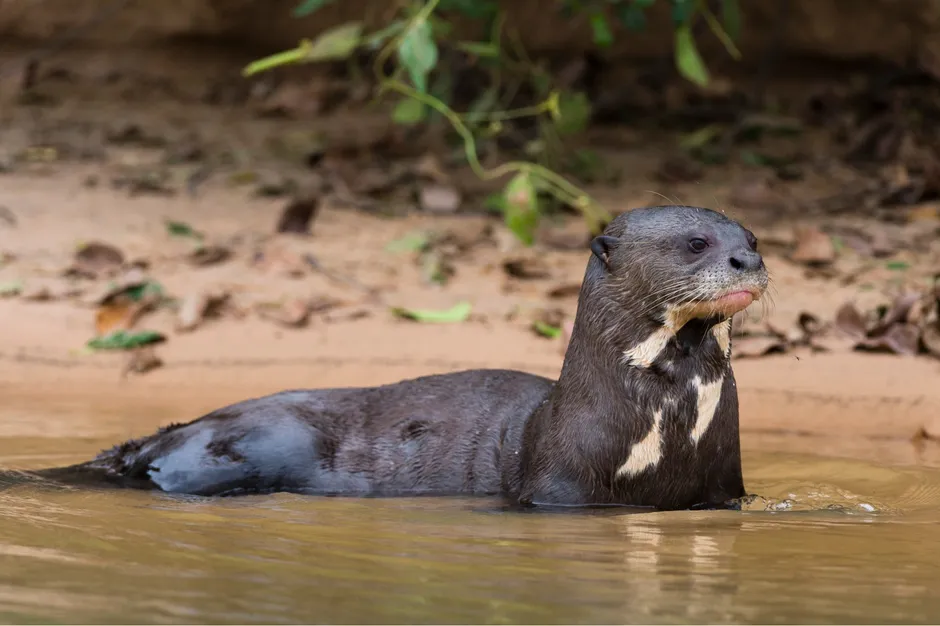
Among the cutest animals in the Amazon Rainforest Wildlife, giant otters can grow up to 1.7 metres long and can be found in the waterways that run through the jungle. Thanks to its resistant whiskers and a sharp eye, it easily identifies the movements of prey in the water.
The otters feeds on fish mostly, playing an important role as a predator in ecosystems.
Indiscriminate hunting is its most representative threat, in addition to habitat destruction, water pollution and the action of fishing in the area. Peru protects the species in several national parks, such as the one in Manu National Park and in the Pacaya-Samiria National Reserve.
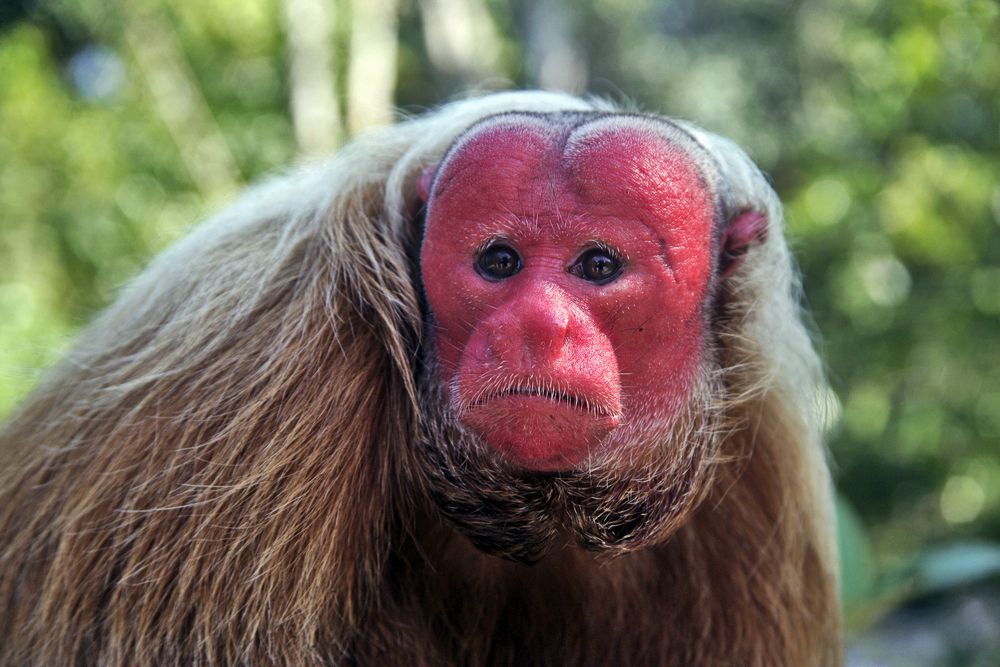
The most noticeable feature of the Uakari monkey is its unusual, bright red face. Monkeys derive their name from the Uakari groups that once lived in the Amazon but is now extinct. This creature often lounges in the trees and feasts on fruits from the branches.
It is considered a vulnerable species and is included in the appendices of the Convention on International Trade in Endangered Species of Wild Fauna and Flora (CITES).
Poaching and deforestation are the main factors in its decline. Although the Peruvian government considers it a protected species, there is no program for its conservation.
Another cheeky tree-dweller has seen its number dwindle due to the expansion of farmland in the Amazon and the building of new roads through the region. The white-cheeked spider monkey may not be swinging through the trees for much longer if conservation efforts are not ramped up.

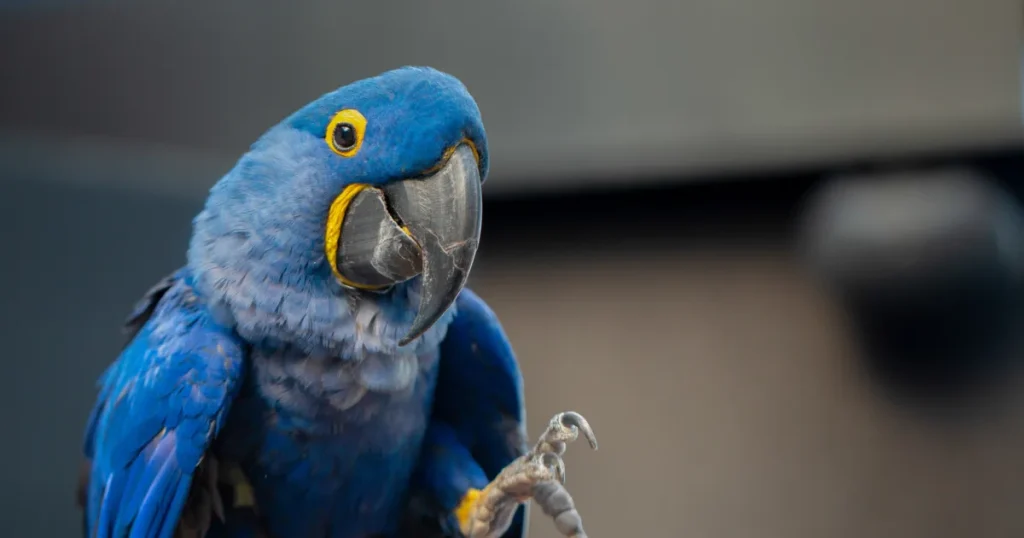
So far we have looked at land animals, but we must not forget our winged friends that soar up above. Hyacinth macaw is an astonishingly beautiful bird, with feathers in rich blues and green. The main threat to the survival of this magnificent bird is the illegal pet trade. Unfortunately, there is a market for these birds due to their splendour and this is reducing the numbers found in the wild.
The sloth is one of the most unique animals of the Amazon and is known for its slowness: it moves at a maximum speed of about 0.24 km / h and sleeps about 20 hours a day. This is because unlike other mammals, you can not keep your body temperature constant, which can range from 24 ° C to 33 ° C.
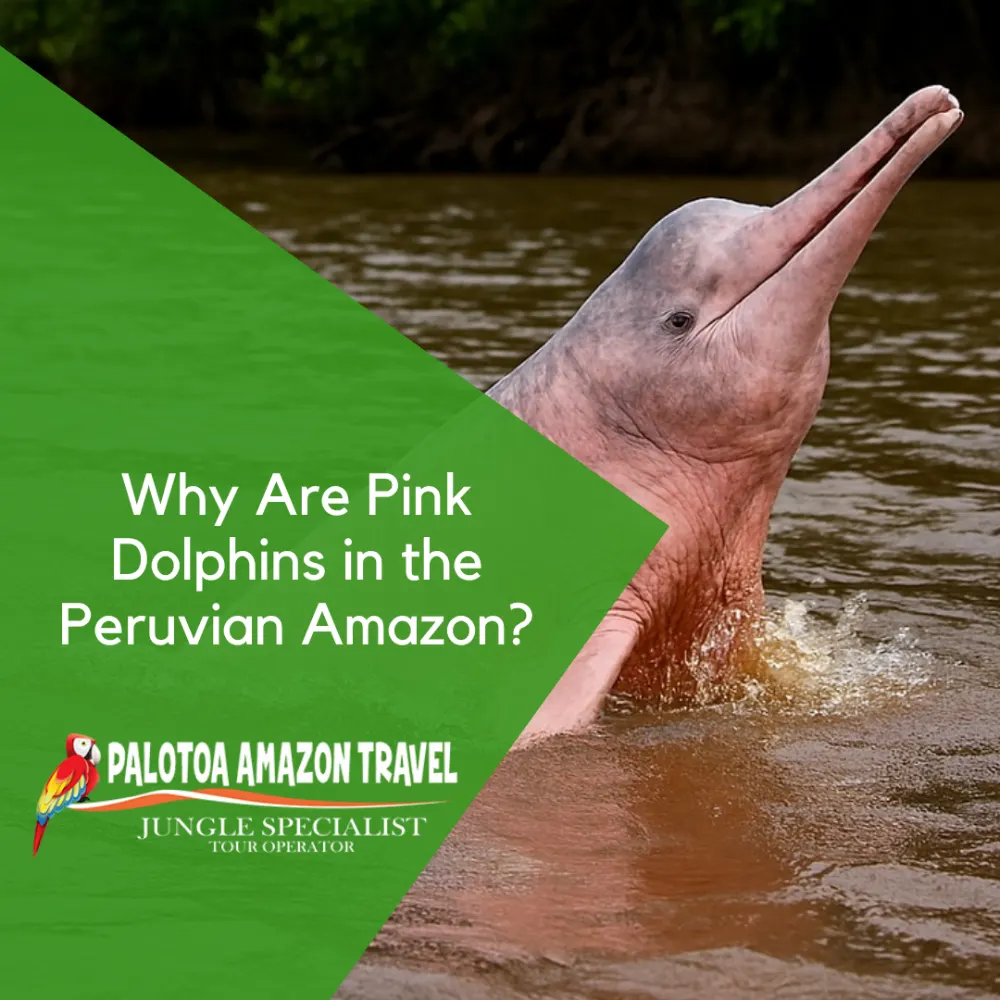
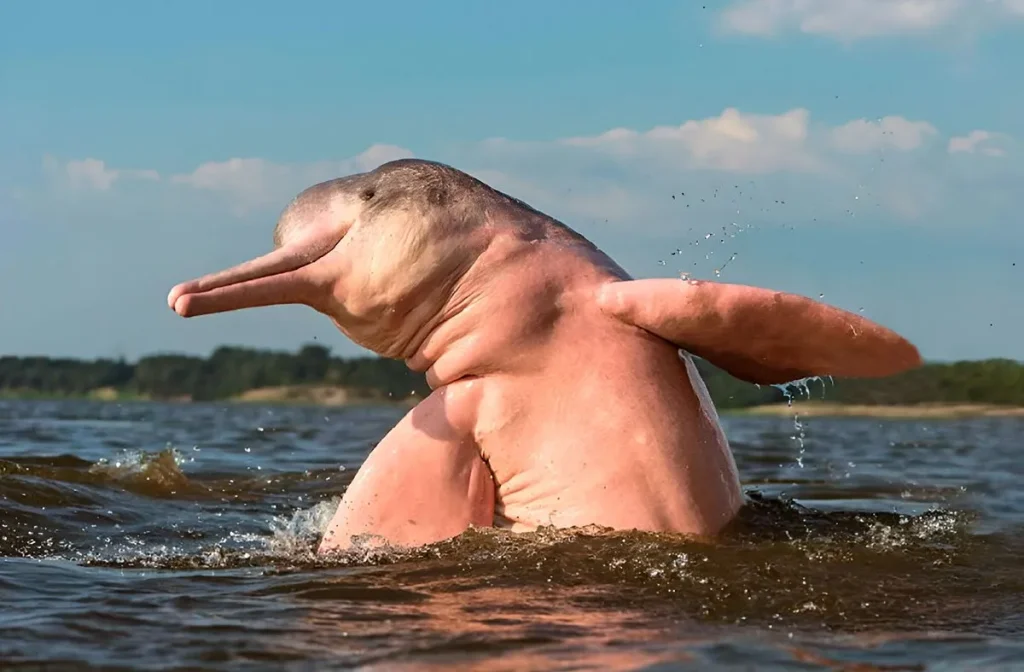
People also know the Inia geoffrensis dolphin as boto or Amazon dolphin. It lives in the basin of the Amazon River and may have a pink or pale blue coloration, although the most common is that they are albino. It is one of the five species of freshwater dolphins that live on the planet.
Throughout the Amazon region, including Peru, the Amazon pink dolphin is in danger of extinction. As it happens in the majority of the cases of the different animals of Peru in danger of extinction, their main threats are the construction of dams, canals and the deviation of natural courses of the rivers.
Ateles belzebuth, also called yellow-bellied monkey, is present not only in Peru, but also in other countries of South America, such as Brazil and Venezuela. It feeds mainly on fruits, insects and roots.
Measuring between 42 and 66 cm long, this species is the largest primate species in the Americas. The tail of the individuals of this species is 88 cm and can weigh up to 11 kg. One of the characteristics that gives great agility is to have very long limbs.
Humans hunt it and destroy its habitat, as the mining industry has taken several areas where it lives.
There are thousands of endangered species of the Amazon Rainforest Wildlife, but there are also dozens of excellent conservation programs in place. These conservation projects aim to reverse the damage done by human interference and replenish the rainforest with species that were previously dwindling. The programs have been largely successful so far and we can only hope this trend carries on in the future.

Not all threatened species in the Amazon face the same challenges. Some are especially vulnerable because their forest habitat is disappearing, while others are affected more directly by hunting, illegal wildlife trade, or changes to rivers and wetlands. Looking at these threats helps explain why certain Amazon rainforest animals are considered particularly at risk.
Animals that depend on extensive areas of intact rainforest can be especially vulnerable when forests are cleared or divided into smaller patches. Deforestation for agriculture, cattle ranching, mining, roads, and other human activities reduces the space available for wildlife and can separate populations from one another.
Large mammals such as jaguars and Amazonian tapirs need access to substantial areas to find food, move through their territories, and reproduce. Primates that depend heavily on forest canopies can also be affected when continuous forest is replaced by fragmented habitats. For these species, protecting large and connected areas of rainforest is essential for maintaining viable populations.
Hunting and wildlife trafficking can have serious consequences for Amazonian species, particularly when animals are already affected by habitat loss. Some species are targeted for their meat, while others are captured for the illegal pet trade or exploited for their feathers, skins, or other body parts.
Species with slow reproductive rates may struggle to recover when too many individuals are removed from the wild. Stronger enforcement, protection of wildlife habitats, and responsible tourism can help reduce pressure on vulnerable populations and discourage the illegal exploitation of Amazonian wildlife.
Amazonian rivers and wetlands support a remarkable variety of wildlife, but aquatic species face threats that are different from those affecting forest animals. Pollution from mining, agriculture, and other human activities can degrade water quality and affect the food sources on which aquatic animals depend.
Dams and other changes to river systems can also modify natural water flows and disrupt aquatic habitats. Species such as Amazon river dolphins, giant otters, and Amazonian manatees depend closely on healthy freshwater ecosystems, making the protection of rivers and wetlands an important part of Amazon wildlife conservation.
Protecting Amazon wildlife requires more than protecting individual animals. Conservation efforts combine habitat protection, scientific research, law enforcement, and cooperation with local communities to address the different threats facing endangered and vulnerable species. These strategies also help identify whether conservation actions are actually improving the long-term outlook for wildlife.
National parks, reserves, and other protected areas help conserve large sections of rainforest where animals can feed, reproduce, and move through their natural habitats. By limiting activities such as deforestation, uncontrolled development, and hunting, these areas provide important refuges for species under pressure.
In the Amazon, protected areas can also preserve entire ecosystems rather than focusing on a single species. This is particularly important for animals that require large territories or depend on healthy forests, rivers, and wetlands to survive.
Monitoring wildlife populations helps researchers understand how species are responding to environmental changes and conservation measures. Scientists can collect information about population numbers, distribution, reproduction, behavior, and changes in habitat to identify species that may require additional protection.
Organizations such as the International Union for Conservation of Nature (IUCN) use species assessments to evaluate extinction risk and track conservation progress. The IUCN Red List focuses on extinction risk, while its Green Status of Species provides a complementary assessment of species recovery and the impact of conservation actions.
Law enforcement and anti-poaching programs help reduce the illegal capture and killing of Amazonian wildlife. Rangers and conservation teams may patrol protected areas, monitor vulnerable populations, and work with authorities to prevent wildlife trafficking.
These efforts are particularly important for species targeted for their meat, skins, feathers, or use in the illegal pet trade. Reducing illegal exploitation gives threatened populations a better opportunity to recover when combined with habitat protection.
The Amazon is home to thousands of animal species, but their conservation status and the threats they face can vary considerably. These frequently asked questions cover some of the most common concerns about endangered Amazon animals, from which species are most at risk to where wildlife can still be observed in the wild.
There is no single species that can universally be considered the most endangered animal in the Amazon. Conservation status is assessed individually, and species can fall into different categories depending on the level of risk they face. The IUCN Red List uses categories such as Vulnerable, Endangered, and Critically Endangered to indicate different levels of extinction risk.
Some threatened or vulnerable species found in different parts of the Amazon include the jaguar, giant otter, Amazonian tapir, white-bellied spider monkey, red-faced uakari, Amazon river dolphin, hyacinth macaw, harpy eagle, Amazonian manatee, and green anaconda. Their conservation status, population trends, and distribution vary by species.
Amazon rainforest animals face several threats, including deforestation and habitat loss, illegal hunting and wildlife trafficking, pollution, changes to river ecosystems, expanding human activities, and climate change. These pressures can reduce wildlife populations, fragment habitats, and make it more difficult for species to reproduce and survive.
There is no single answer because rarity can refer to a species having a very small population, a restricted distribution, or simply being difficult to observe in the wild. Some threatened Amazonian animals are rarely seen because they occur at low population densities, live in remote habitats, or have elusive behaviors.