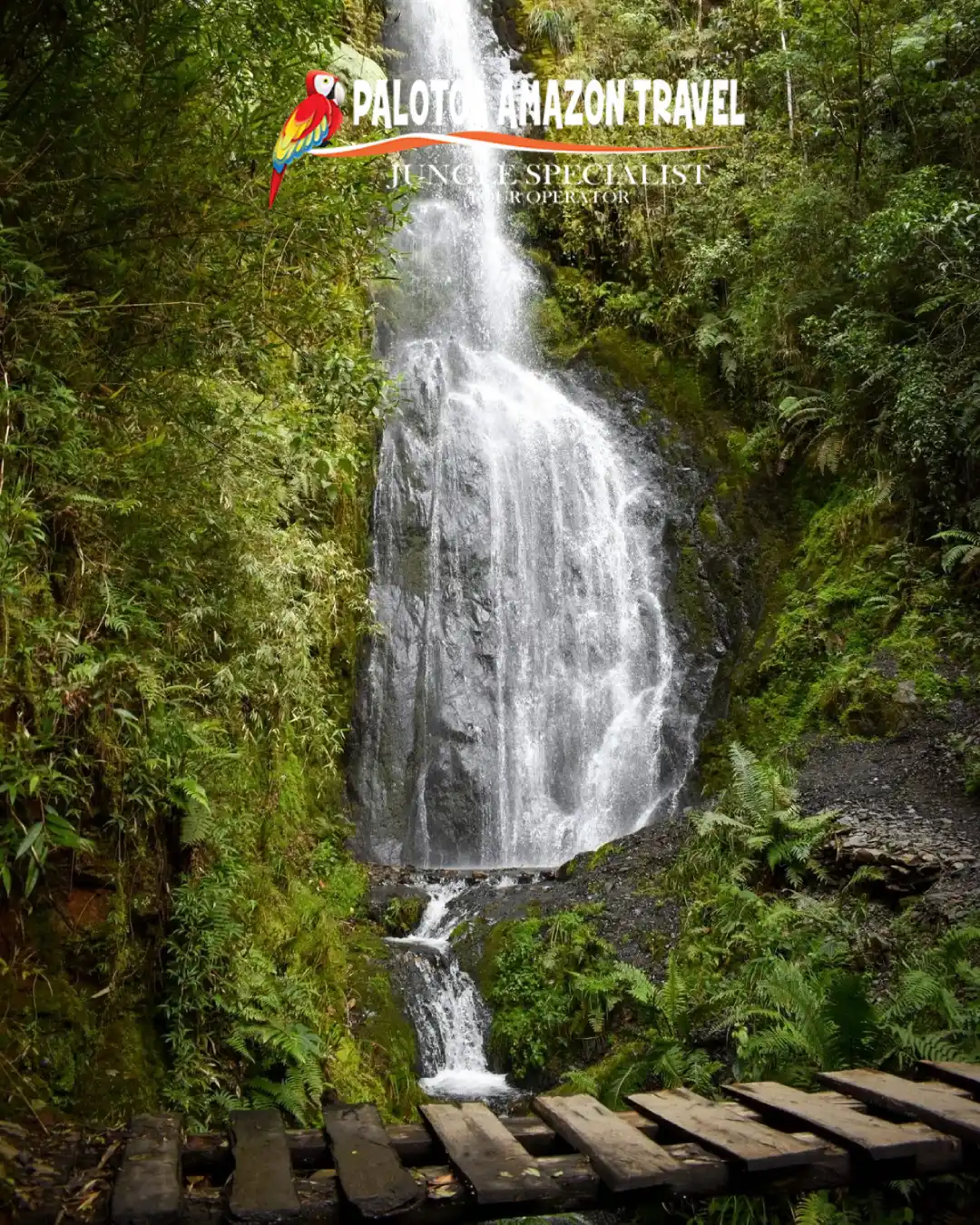
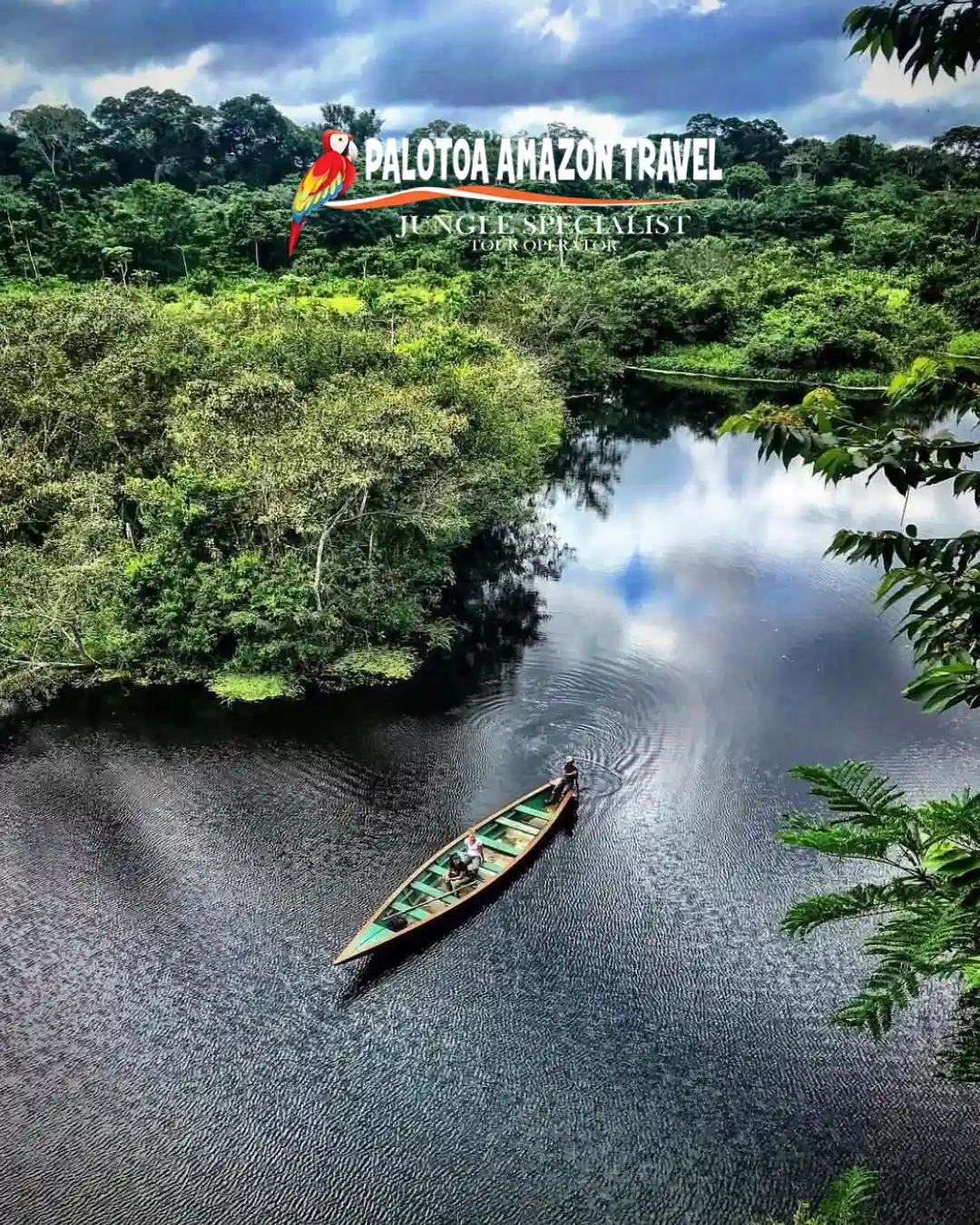
The journey
Manu National Park Tours from Cusco
If you’ve ever dreamed of exploring the heart of the Peruvian Amazon, Manu National Park tours from Cusco offer an unforgettable experience in one of the most biodiverse regions of the earth! Manu National Park is a UNESCO World Heritage Site and designated Biosphere Reserve, and it deserves a place on your travel bucket list. Manu National Park has an amazing diversity of habitats ranging from the highlands to the rainforest. Whether you are a wildlife enthusiast or taking photos, Manu National Park tours open the door to breathtaking natural beauty. Starting the journey from Cusco links your journey to the ancient Inca culture to the wild beauty of the Amazon basin of Peru.
The Perfect Manu National Park Tours from Cusco
An average Manu National Park Tour departing from Cusco runs for three to four days. Therefore, it allows visitors to see the cloud forest transition as well as the deeper Amazon.
- Balance of adventure and relaxation.
- Beautiful destinations with guided tours.
- Nature walks with night trips.
- Understanding the diversity of nature.
- Manu National Park gives knowledge about culture.
The tour descends from the Andean slopes, steering through colorful forests of cloud before dropping into dense tropical lowlands. These days, you'll be surrounded by views, rare species of wildlife, and communities from the local area.
Why You Should Visit Manu National Park As A Traveller?
Manu National Park is one of the most unique conservation areas that covers nearly 1.7 million acres of virgin forest.
- Biodiversity.
- Culture.
- Richness.
Incredible Biodiversity
Manu National Park from Cusco is commonly called the world's most affluent organic research lab. Its diversity is truly odd. This is what makes Manu National Park Tours an absolute must-do for those looking for an authentic experience in the rainforest.
- A thousand species of birds.
- Two hundred species of mammals.
- Various insect and butterfly species.
- 15,000+ species of plants.
Cultural Heritage
Beyond the wildlife that it has, Manu protects the ancestral territories of numerous indigenous groups that include people from the Machiguenga, Yine, Huachipaire, as wel as the Mascopiro peolple.
- Uncontacted tribes.
- Remote regions.
- Preserving customs.
- Connect with nature.
- Transforming perspectives.
Tourists can gain invaluable insight into the unique culture of these tribes when touring with responsible tour companies such as Palotoa Amazon Travel.
Conservation Importance
The incorporation of Manu as a UNESCO World Heritage site has served to place it prominently in the world in terms of biodiversity and the stability of the climate. Each tour contributes to local conservation besides sustainable tourism practices.
- Conserve Manu.
- Educating new travellers.
- Preserving efforts.
The Most Appropriate Time to Visit Manu National Park
Knowing the weather can help to plan your perfect Manu National Park tour starting from Cusco. For you, the right time has to be the summer since the views and area are much more feasible for exploration.
Dry Season
The season when the visits to Manu are most ideal is during the dry/summer season. This season is characterized by pleasant conditions, clear skies, and easier observation of wildlife on clay licks, rivers, and aquifers.
- Trails become drier.
- Better wildlife viewing.
- Jungle hikes become easier.
Rainy Season
The wet seasons bring regular rain showers as well as higher water levels. Even with the rainfall, Manu National Park Tours remain throughout the year with professional guides.
- Rainforest becomes clearer.
- Peace and serene environment.
- Trails are not clear.
- Certain areas become inaccessible.
Temperature and Conditions
Even knowing what the key parameters of the local area are will make you plan a more helpful trip. Besides that, the following information can help to reduce the risks that travellers do not pay enough attention to.
- Average daytime temperature
- Low nighttime temperature.
- Highly humid.
Three Primary Tips for Cusco to Manu National Park Tours
These ensure your comfortable and safe journey between the Amazon and Cusco. Furthermore, the well-preparation from Palotoa Amazon Travel includes transport, packing, and security information.
Packing List
Bring light and breathable garments to fight the jungle humidity, and bring warm clothes to keep you warm in the cooler Andean parts. Moreover, there are other necessary goods, as they are listed below.
- Long clothes for protection against insects.
- Hat and waterproof jacket.
- Hiking shoes that fit comfortably.
- Batteries with lights
- Sunscreens for UV protection.
- Insect repellent during the summer season.
- First aid kit.
Learning About Health & Safety
A trusted firm such as Palotoa Amazon Travel offers expert assistance and safe transportation throughout the journey. Moreover, by following the tips, you'll make sure that nothing bad happens on the Manu National Park Tours.
- Drink water with purity.
- Always follow your guide's recommendations.
- Use insect repellent regularly.
- Do not touch any plants or bugs.
- Get immunized for native diseases.
Why Choose Palotoa Amazon Travel for Your Tour?
Your tour can take a turn for the worse if you opt for an average operator. However, with Palotoa Amazon Travel, located in Cusco, things are authentic through sustainable tours inside Manu National Park.
Local Expertise
Growing up within Manu, a region that was once home to the Manu area, the staff of Palotoa Amazon Travel know every secret path, distinctive species, and the local culture.
- Certified guides
- Insider views.
- High standard of tours.
Commitment to the Region's Biodiversity
Palotoa is committed to responsible tourism. The guests can take in the beauty of nature with the knowledge that they are helping conservation.
- Minimizing environmental impacts.
- Aiding local communities.
- Managing quality services.
Customized Experiences
From short, 3-day excursions to longer research trips, Palotoa's Manu National Park tour customizes its itineraries to suit your preferences.
- Birdwatching.
- Photographing.
- Hiking.
Comfortable Lodging Adventure
Enjoy lodges that are in the midst of nature and indulge in the traditional Amazonian food. These little details make a significant distinction and make Palatoa Amazon Travel better!
- Authentic meals.
- Local produce.
- Pleasure and immersion.
Tour: Manu National Park 4 Days / 3 Nights
- Price: USD$ 870.00 per person (minimum 2 participants), USD$ 650.00 for groups of 4 or more
- Locations Visited: Manu National Park
- Frequency: 5 Times a week
- Physical Grading: 1-2-3-4-5
For private tour services, please request a personalized quote by email.
Day by day
Itinerary
Day 1: Cusco, Bamboo Lodge
NOTE: MANU TOUR DEEP IN THE JUNGLE, TOTAL IMMERSION WITH MAMMAL CLAY LICK.
This 4-day Manu National Park is different from the 4-day excursion offered by other companies. We travel 2 hours by motorized boat, venturing deeper into the Amazon, where there is a greater probability of seeing animals in their natural habitat.
There, we explore different types of forests protected by our local family, where only our clients are allowed to enter and explore the trails.
On this tour, we also offer an overnight stay in a hiden house facing a mammal clay lick, with the option of seeing nocturnal animals.
Itinerary
Your epic four day Manu Adventure Tours begins with an early morning transfer (6:00 AM) from your hotel in Cusco. In our private transport, we will be driving you to a small Andean town called Huancarani the highest point on the route 3800 msnm. above sea level, Continuing our journey, we will make a stop to visit the funerary towers of Nina Marca. Our guide will be able to explain about this place.
We will continue our journey to the colonial and folkloric town of Paucartambo, We will be stopping here for a traditional breakfast. After relishing a traditional breakfast.
Our local expert will be explaining the importance of this traditional town. You will understand its significance to the Incas and how the locals have retained their age old traditions and customs unblemished.
We will then drive you up the hill to Acjanaco Pass, the entrance to Manu National Park. This is the point where Manu National Park begins. We will make a stop to register, then our guide can give us some information about this national park, its importance, its biodiversity and its living culture.
And also we can visit a viewpoint or balcony, and if the weather is good, we will be able to appreciate a beautiful landscape, and the geography that descends from the high Andean puna to the Amazonian plain.
After soaking in the pristine views, we will start our downhill drive to San Pedro.at 1500 m. above sea level, This region is home to the Peruvian National Bird, El Gallito de Rocas or Andean Cock of the Rock accompanied by our local Amazonian expert tour guide, we will be doing a short hike, which will be your introduction to Manu National Park Peru.
Once you have had your fill of the first views of Manu National Park, we will be driving you to our Bamboo Lodge. Here, we will be accommodating you in an ensuite lodge room for the night, the company staff (chef) will be serving delicious dinner.
Meals Included: Lunch and Dinner.
Day 2: Bamboo Lodge, Palotoa Ecological Reserve
We will be serving you a delicious breakfast to kickstart your day to explore the rainforest of the Peruvian Amazon. We will be driving you to the boat pier in Atalaya. On our way, we will be stopping to see coca plantations. We will also visit an attraction center for hummingbirds, continuing with the journey. We will also stop at a viewpoint to get a staggering view of the Madre de Dios River snaking through the jungle.
Our journey by car will come to an end in Atalaya Port. We will be embarking on a boat ride on the Alto Madre de Dios River
We'll begin our journey by motorized boat, traveling along the river for approximately two hours, heading towards the Palotoa Private Reserve. at 400 m. above sea level, along the way we'll stop to visit a beautiful lagoon called Machu Huasi, We'll explore this area for about three hours, and upon arriving at the lagoon, we'll have the option to navigate it on rafts.
This area is a secondary forest, and the lagoon attracts many bird species, including macaws, toucans, oropendolas, herons, and many more colorful birds. That's why visiting this place is so important.
After immersing ourselves in the forest, we'll enjoy a delicious lunch prepared by our chef. Optionally, we can take a refreshing swim in the crystal clear waters of this river.
we will be continuing our boat ride further into the jungle at our signature lodge in Palotoa Ecological Reserve. We will be accommodating you in an ensuite room here.
This afternoon we will have a short walk through a bamboo forest to see local monkey and bird species. After a delicious dinner, we'll have the last activity of the day, which is a night hike to see insects and nocturnal animals. We'll hike to a river channel and search for caimans; if we're lucky, we'll see some.
Meals Included: Breakfast, Lunch, and Dinner.
Day 3: Exploring the Palotoa Ecological Reserve
The third day of your Manu Adventure Tour with an English speaking local tour guide is designed to offer you a much deeper insight into the Amazon Jungle.
After relishing an Amazonian breakfast, we will set out on a hike to explore the jungle. We recommend that you carry some snacks and water in a small day pack for this hike. We will be spotting plenty of animals, including wild pigs, different species of monkeys, anteaters, coaties or perhaps the jaguar. whose footprints can sometimes be seen.
The region is also home to different species of butterflies. You will also see some iconic birds like eagles, parrots, macaws,oropendolas, woodpecker, woodcreeper and toucans. We will also be introducing you to more medicinal plants, some giant trees, and different types of palm trees.
We will walk through bamboo forests, secondary forests, and primary forests, where the tallest trees are located. Our local expert guide will give you some lessons on survival. You will learn how to climb trees, how to recognize edible fruits, and how to recognize and obtain bamboo or vine water to drink
After getting an immersive tour of the jungle, we will be returning to our lodge. After a delicious and typical lunch, we'll take our motorized boat to the Shintuya hot springs, a rustic swimming pool, where we'll spend the afternoon relaxing in its thermal medicinal waters. Later, we'll return to our lodge.
We have a special plan for our last night, which is preferred by tourists. At 5 pm, we'll begin a 30-minute hike to a hidden house facing a mammal clay lick, where we'll have the opportunity to see animals such as tapirs, deer, porcupines, and other nocturnal creatures.
Mammal clay lick, This is a natural clay outcrop or small cliff in the Amazon rainforest where various terrestrial animals, such as tapirs, peccaries, deer, rodents, and primates, come to consume soil rich in mineral salts.
(hidden house, platform 4 meters high with a roof and walls covered with palm leaves, inside there is a mattress bed, with mosquito net, blankets, sheets and pillows).
Here we will spend the night in the middle of the jungle hoping to see these animals, and listening to different sounds of the jungle.
Meals Included: Breakfast, Lunch, and Dinner.
Day 4: Palotoa Ecological Reserve, Cusco
On our last day of the tour, we'll wake up very early and walk back to our lodge, where you can take a shower and then enjoy a hearty breakfast. After packing our belongings, we'll take our motorized boat back to Atalaya, where our van will be waiting to take us back to Cusco.
Along the way, we will be having different stops so you can stretch your legs, use restrooms, and have lunch. We'll arrive in Cusco at approximately 4:30 pm, and we'll drop you off at your hotel or wherever you prefer.
Meals Included: Breakfast and Lunch.
What to expect
OVERVIEW
- Start: Cusco
- End: Cusco
- Group Size: Minimum 2, Maximum 10
- Age Minimum: 6 years old with their parents, Adults up to 75 years of age
- Style: Original and unique
- Type: Adventure and biodiversity
- Difficulty: Easy to Moderate
- Tour Route and Altitude: Cusco (3,300m.s.n.m.) – Andes (3,830m.s.n.m.) – Cloud Forest (1,500m.s.n.m.) – lowland jungle (400 m.s.n.m.)
- Manu National Park: Covers an area of 1,716,292.22 million hectares, and is categorized as one of the most extensive parks in South America.
Included
Included Services
- All ground transfers as mentioned in the itinerary
- Team of security
- Rubber boots
- Lodge accommodation
- All camping equipment (optional)
- Tent, sleeping bag, and mats
- Mineral water
- First aid kit
- 3 meals per day (vegetarian option available)
- Snacks
- Chef
- Entrance to hot springs and Machuwasi Lake
What to bring
Additional Packing List
- Long Sleeve Shirt and Long Pants
- Warm Clothes (for misty mornings on the river)
- Enough Mosquito Repellent
- Binoculars
- Camera with Extra Batteries
- Flashlight with Extra Batteries
- Sun Lotion
- Pocket Money
- Daypack
- Water Bottle
- Sun Hat
- Sandals
- Swim Clothes
- Toilet Paper
- Dark Clothes
Questions & answers
Where is Manu National Park located?
Manu National Park is located in the southeast of Peru, in the provinces of Paucartambo in Cusco and Manu in Madre de Dios. It spans an area of 1,717,295.22 hectares.
How do I get to Manu National Park, Peru?
Manu is located 130 kilometers from Cusco city by road, which serves as the gateway to the Manu National Park. You can also reach Puerto Maldonado by land from Cusco or by air through Lima. From there, you can travel by boat along the Madre de Dios River to reach the Manu Reserve, although this route is farther and more expensive.
When is the best time to visit Manu National Park?
The best time to visit the Peruvian jungle is between April and November, during the dry season. The rainy season is from February to March, when access by road becomes more difficult, and some forest paths may become flooded.
What is the difference between the cultural zone and the reserved zone in Manu National Park?
Manu National Park is divided into three zones: the cultural zone (buffer zone), the reserved zone (core zone), and the intangible zone. The cultural and reserved zones are for tourist use, while the intangible zone is exclusively for scientific studies and requires special permits.
Do I need to be in good physical condition to travel to Manu National Park?
It is not a strict requirement, but you should be able to walk several kilometers to fully enjoy all that Manu has to offer.
Do I need vaccinations for yellow fever, malaria, and malaria before visiting Manu National Park?
There are no reported cases of yellow fever, malaria, or malaria in Manu National Park. However, if you plan to stay longer in tropical areas, it is advisable to consult with your doctor for vaccination recommendations.
How much does a trip to Manu National Park cost compared to Tambopata?
A trip to Manu National Park is more expensive. For a 4-day trip, you should budget between USD 380 and 450, while a 4-day trip to Tambopata usually costs around USD 300.
What is the length of the trip to Manu National Park compared to Tambopata?
Trips to Manu National Park usually last a minimum of 4 days, with extended trips often lasting 15 days or more due to its remote location. On the other hand, Tambopata is more accessible by air and trips there are typically 3 to 4 days.
What are the group sizes for trips to Manu National Park and Tambopata?
Trips to Manu National Park typically have small groups, with a minimum of 4 people and a maximum of 10 people. In contrast, trips to Tambopata National Reserve have larger groups, with a minimum of 2 people and a maximum of 12 visitors.
How much wildlife can you expect to see in Manu National Park compared to Tambopata?
Both Manu and Tambopata offer excellent wildlife viewing opportunities. However, experts agree that Manu, due to its remoteness, increased biodiversity, and varied microclimates, is probably the better region for wildlife spotting. Common animals in both regions include monkeys, macaws, giant otters, black caimans, hoatzins, tamarins, and capybaras.
Which is better for wildlife spotting: Manu National Park or Tambopata?
For wildlife spotting, Manu National Park is generally considered the better option due to its remote location, slightly higher biodiversity, and varied microclimates. However, both regions are among the best places in the world for wildlife watching.
Which is better: Manu National Park or Tambopata Jungle?
The choice between Manu National Park and Tambopata depends on what you're looking for. If you want an affordable, relatively adventurous experience in the Amazon, Tambopata is a great option. If you're prepared to spend more time in the jungle and are seeking a more immersive adventure, Manu is the better choice.
From the field
Gallery


Reviews
5.0 / 5 · 1 review5 / 5Saul L.This 4-day tour from Cusco to Manu National Park was a life-changing experience! From the moment we left the city, the journey through the mountains and into the Amazon was mesmerizing. The wildlife sightings were amazing—monkeys, caimans, exotic birds, and even a jaguar! The guides were incredibly knowledgeable and made the experience even richer. Sleeping in the heart of the jungle, hearing the sounds of nature at night, was surreal. Highly recommend this tour to anyone seeking a true adventure in the wild!